ISLAMABAD: Recent demolitions of Muslim religious sites in Indian states of Uttar Pradesh and Uttarakhand have intensified concerns over selective enforcement, due process and religious persecution, Clarion India reported on Monday.
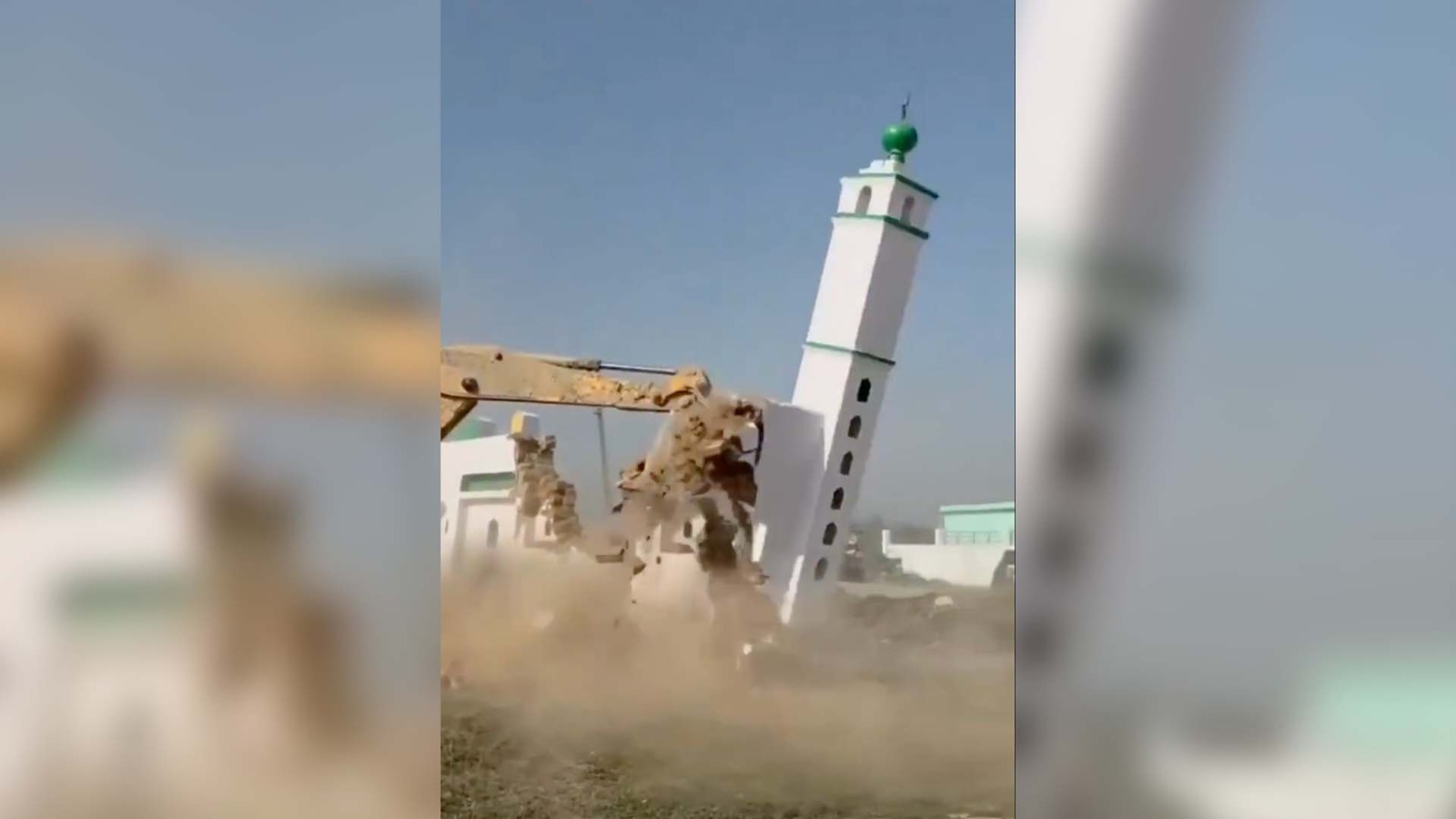
The latest widely reported move came in Sambhal district of Uttar Pradesh, where authorities demolished an Eidgah and an imambargah in Bicholi village, saying both stood on government land, according to the Times of India.
Officials said the demolition was part of a broader campaign against illegal encroachments on public property. Reports said notices had been issued earlier and that the structures lacked legal authorization.
The operation was carried out under heavy police deployment, reflecting the sensitivity of the action in the communally tense district.
The Sambhal demolitions came just after a court-backed move in Etawah. A United Trust of India (UNI) report said a forest authority court on April 17 ordered the eviction of a shrine allegedly built on illegal land in the Fisher Forest area, ruling that it stood on reserved forest land.
The report said the case followed a 64-day hearing process during which shrine representatives were unable to produce documentary proof supporting their claim over the site.
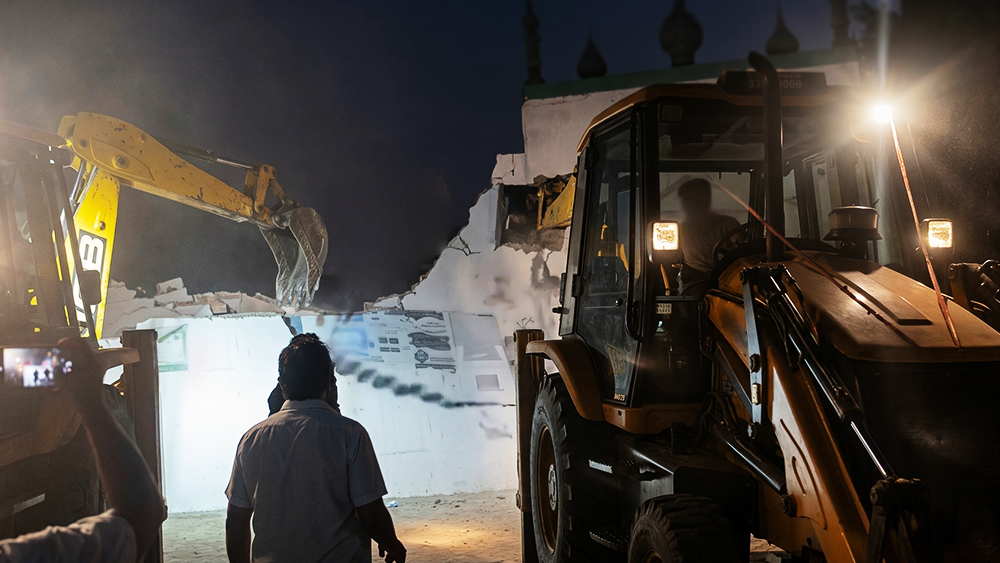
In Uttarakhand, the administration in Udham Singh Nagar demolished three religious structures on April 18, including a mosque and two shrines in the Gularbhoj Dineshpur area, according to The Print.
Officials claimed the structures had been built illegally on Irrigation Department land and that notices had been served months earlier asking the occupants to submit ownership or permission documents.
The controversy has grown because residents are disputing not only the demolitions but also the manner in which they were carried out.
Clarion India reported that locals in Gularbhoj alleged police restricted movement in the area during the operation and said only Muslim religious structures were singled out, despite broader disputes over land in the settlement.
Taken together, the three cases have sharpened a wider debate.
Even though authorities describe the demolitions as lawful removal of illegal structures, victims and critics see an increasingly troubling pattern in which Muslim places of worship are being targeted and bearing the brunt of such drives.





.jpg)