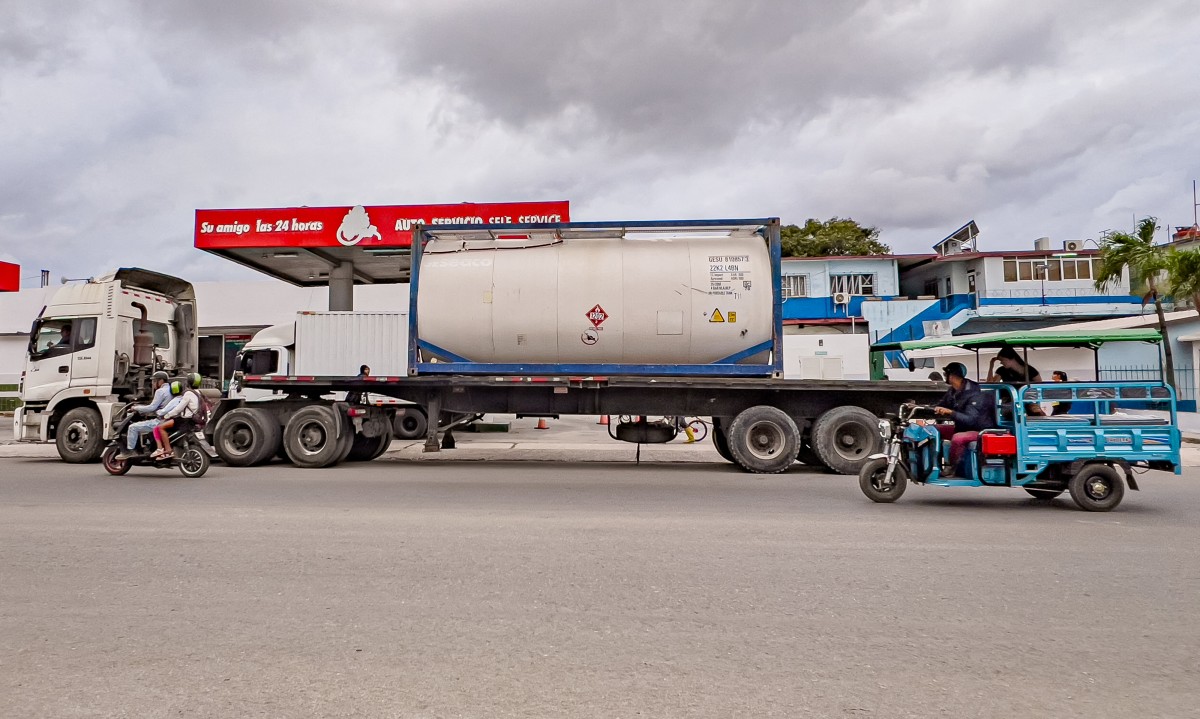
ISLAMABAD: Pakistan has increased taxes on high-end fuel used by luxury vehicles while keeping prices for ordinary consumers unchanged, as the government moves to cushion economic pressure from the ongoing Middle East conflict.
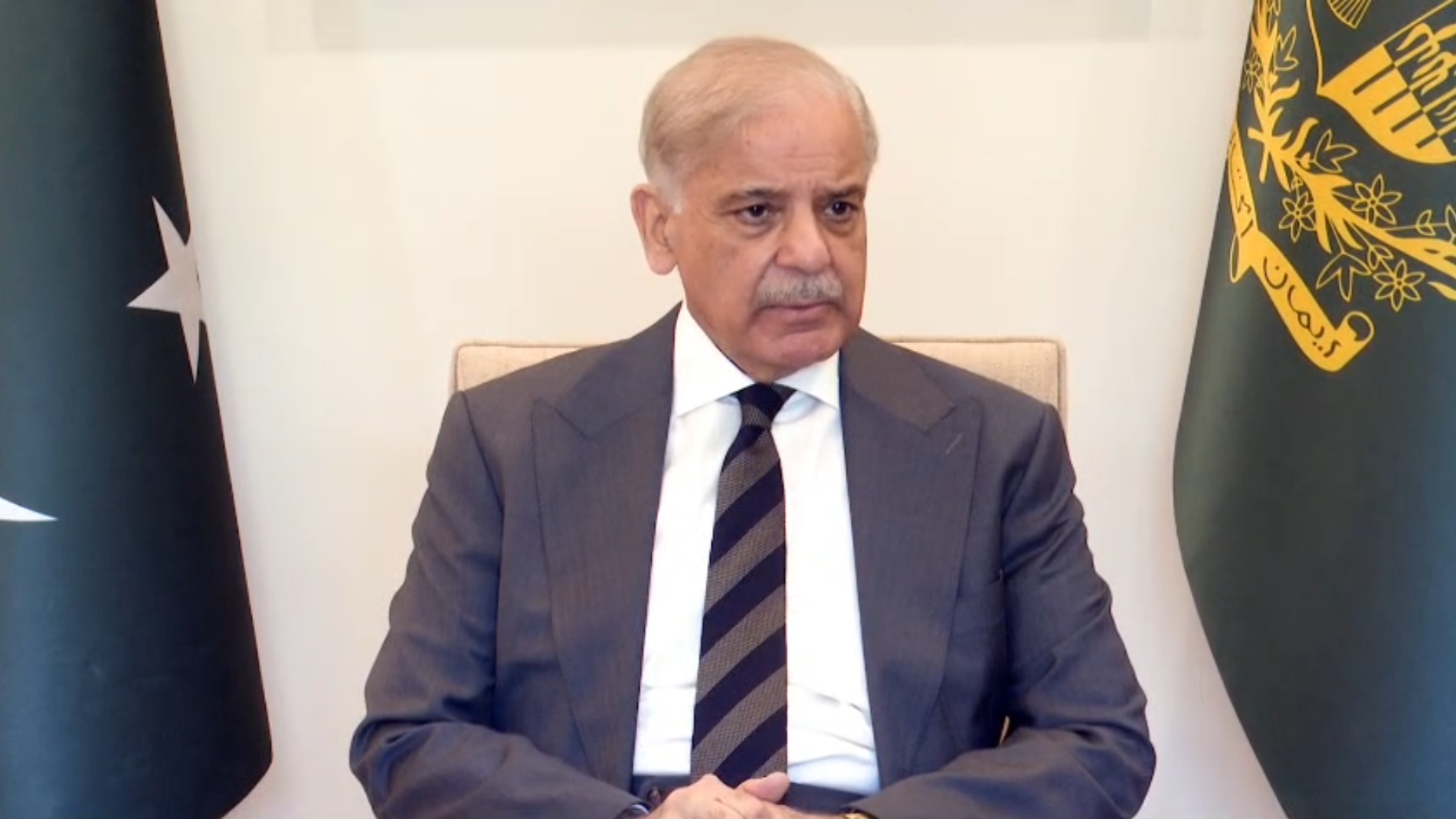
Prime Minister Shehbaz Sharif approved a Rs200 ($0.72) per liter increase in the levy on high-octane fuel, raising it from Rs100, with an even higher Rs300 ($1.08) per liter levy applied to the most expensive vehicles, according to a statement from the Prime Minister’s Office (PMO) on Sunday.
A fuel levy is a government-imposed charge added to the base price of petroleum products, often used to generate revenue or manage consumption. In Pakistan’s case, raising the levy on high-octane fuel targets wealthier consumers while helping offset rising import costs and fiscal pressures without increasing prices for the broader population.
“This decision will save the government Rs9 billion per month and, as per the Prime Minister’s instructions, the people will be given relief from this saving,” the PMO said.
Officials emphasized that the move will not impact fuel prices for ordinary vehicles, public transport or air travel.
“Fuel prices for ordinary vehicles remain unchanged,” the statement said, adding that “the richest class of the country will bear the burden.”
The decision comes as Pakistan navigates rising economic pressures linked to disruptions in global energy markets following the US-Israeli war on Iran, which has affected key oil supply routes and driven volatility in international prices.
Islamabad has already urged conservation measures to reduce consumption amid concerns that prolonged instability in the Gulf could affect fuel availability and import costs.
Sharif also rejected proposals for broader fuel price hikes, signaling the government’s intent to shield the wider population from inflationary shocks while maintaining fiscal balance.
“The Prime Minister had taken notice of the high-octane prices and directed the relevant ministry to prepare a plan of action,” the PMO said.
The policy reflects a targeted approach aimed at redistributing the burden of rising energy costs toward higher-income groups, while protecting vulnerable segments of society during a period of heightened global uncertainty.
The meeting was attended by Finance Minister Muhammad Aurangzeb, Information Minister Attaullah Tarar, Petroleum Minister Ali Pervaiz Malik, and senior officials.