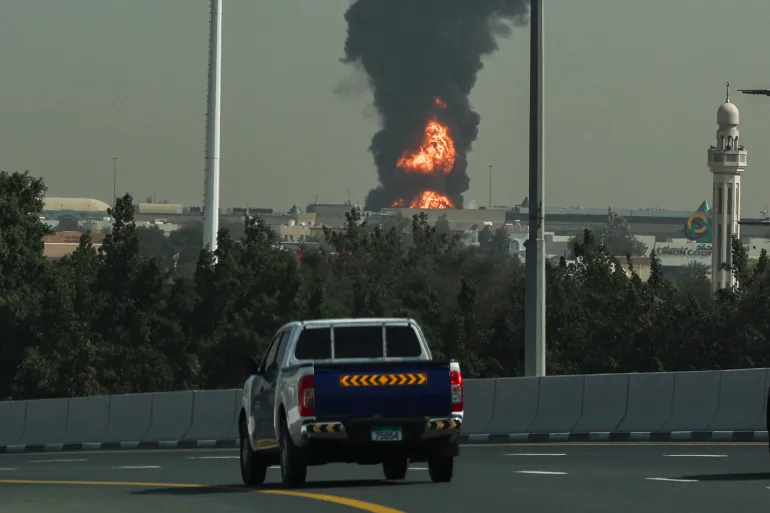
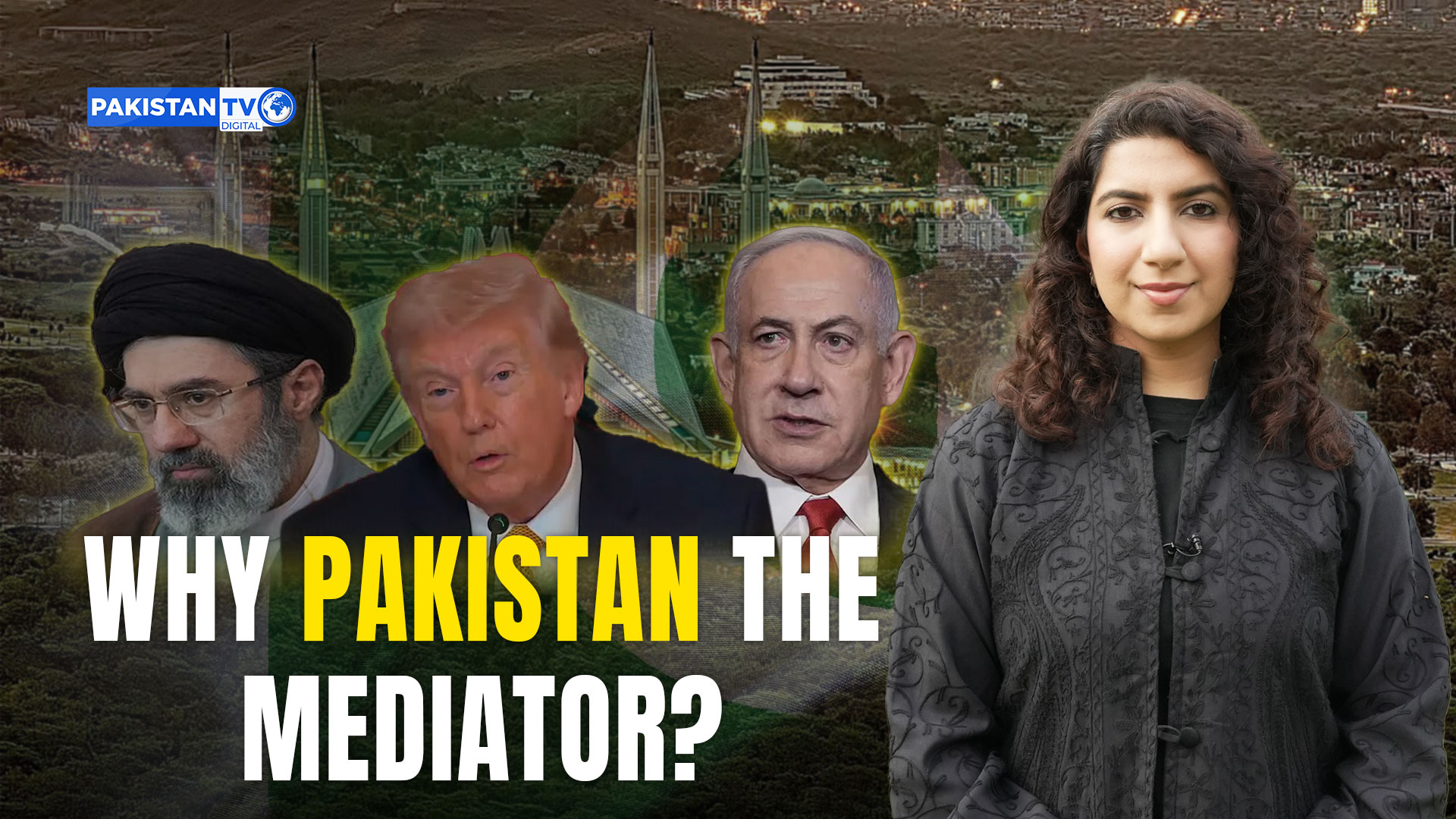
ISLAMABAD: Pakistan has emerged as a key intermediary in efforts to end the ongoing war involving Iran, positioning itself at the center of high-stakes diplomacy as regional and global powers reassess their roles, according to a news analysis by The New York Times.
The report said Pakistan conveyed a 15-point US proposal to Tehran and offered to host peace talks, reflecting what officials described as an expanding diplomatic role amid the widening conflict.
“Iran's response to the 15 points proposed by the US was officially sent… through intermediaries,” the analysis noted, adding that Pakistan has been relaying messages between Washington and Tehran as indirect talks continue.
The development comes as tensions escalate following US-Israeli strikes on Iran that triggered retaliatory attacks across the Gulf, disrupting energy routes and raising global economic concerns.
For India, the report said, Pakistan’s growing diplomatic engagement marks a “troubling trend,” as New Delhi navigates strained ties with Washington while Islamabad strengthens its positioning.
“Normally… the intermediary role would be played by the United Nations or a country like Qatar,” said Happymon Jacob, a diplomacy professor cited in the report.
However, shifting geopolitical dynamics have created space for alternative mediators.
Pakistan’s role is underpinned by its unique geopolitical position, maintaining relations with both the United States and Iran, while also holding strategic ties with Gulf states.
Islamabad has also consistently called for restraint.
“Pakistan has consistently advocated for dialogue and diplomacy to promote peace and stability in the region,” Foreign Office spokesperson Tahir Hussain Andrabi said in earlier remarks.
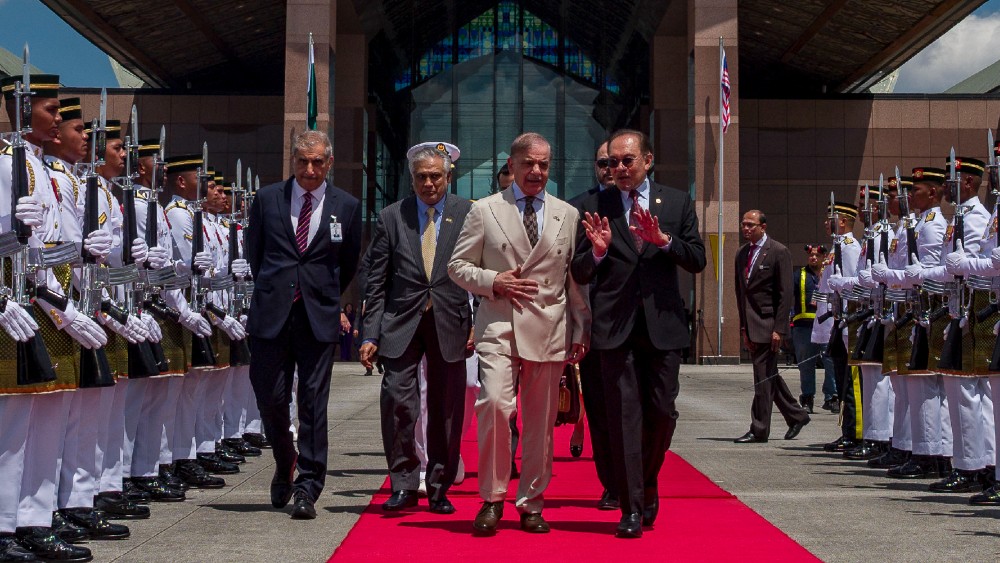
The analysis noted that Pakistan’s diplomatic outreach, including high-level contacts with Iranian leadership and regional partners, has coincided with warming ties with Washington.
At the same time, India’s position has been complicated by its close relationship with Israeli Prime Minister Benjamin Netanyahu, particularly as the conflict intensifies.
Still, some Indian officials urged caution against viewing the situation competitively.
“Clearly, putting an end to this conflict is hugely advantageous… for everyone,” said former diplomat T.C.A. Raghavan, emphasizing that de-escalation would benefit the entire region.
Analysts say Pakistan’s involvement reflects both necessity and opportunity, with the country seeking to prevent spillover from a conflict unfolding near its borders, while also reinforcing its diplomatic relevance on the global stage.
As the war enters a critical phase, Pakistan’s role as a conduit for dialogue highlights the shifting balance of influence in a crisis that continues to reshape regional geopolitics and global economic stability.


.jpg)
.jpg)
.jpg)