ISLAMABAD: The Four Horsemen of the Apocalypse bring war, famine, pestilence and death. Afghanistan in April had all four, recast as empty markets, flooded clinics, failed harvests, and a generation of women written permanently out of public life.
No single agency report captured all four aspects together.
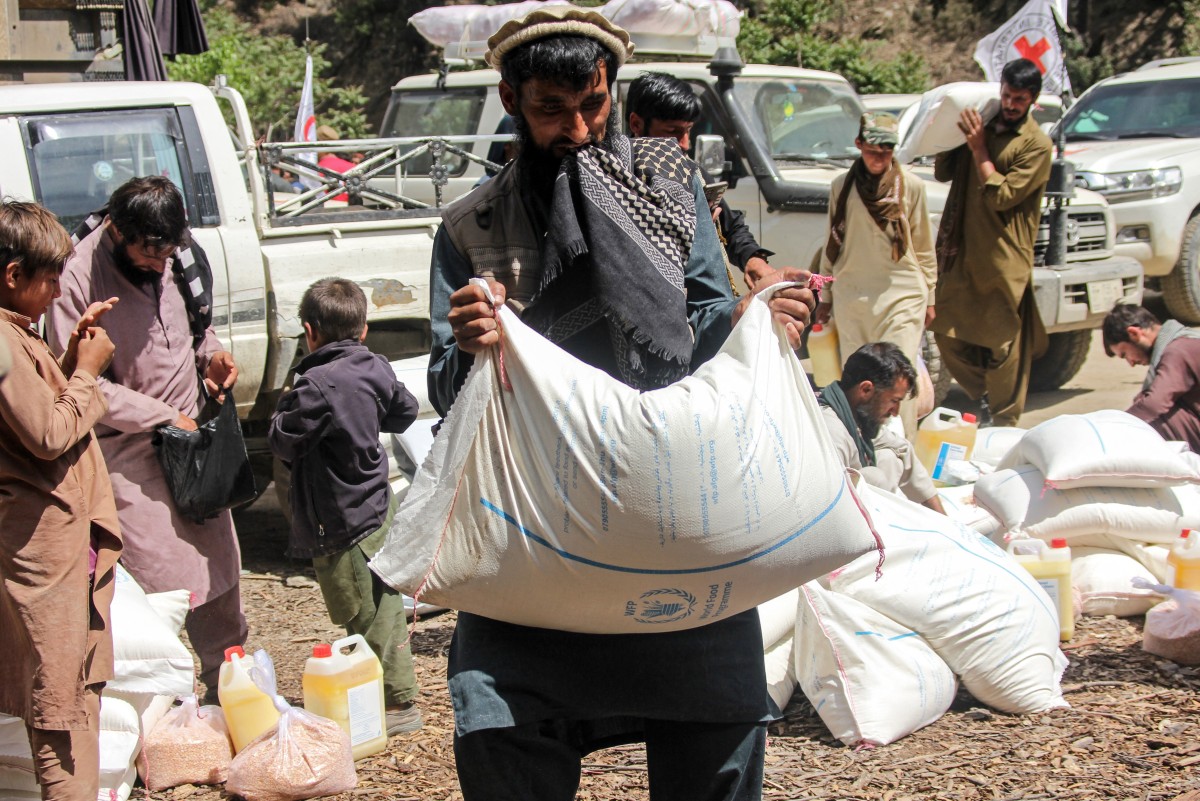
Hunger
In the fourth week of April, a casual laborer could work a full day and buy 10 kilograms of wheat flour with his wages. A year ago, he could buy nearly 12. According to the World Food Programme's (WFP) weekly market report published April 30, the real purchasing power of labor-dependent households has fallen 33% below last year's levels. Meanwhile, employment itself is scarcer, with workers finding jobs only 1.9 days per week, down 20% from 2025.
The year-on-year price picture is severe across the board. Wheat grain costs 19% more than a year ago. High-quality rice has risen 44% while sugar is up 21%, per WFP. For the poorest households, the staples are worse: tomatoes cost 48% more than a year ago and potatoes 64% more.
The external lifeline is shrinking simultaneously. Remittance inflows stood at 17.7% of Afghanistan's GDP in 2023 and are projected to fall to 12.9% in 2025, per the World Bank. A further decline in 2026 is described as "highly likely."
The WFP food basket stood at 6,055 afghani ($94.70) in the fourth week of April, against a transfer value last set at 5,800 afghani ($90.70) in May 2024. Pipeline breaks are expected starting in May due to funding shortfalls, per the UN Office for the Coordination of Humanitarian Affairs (OCHA).
Floods
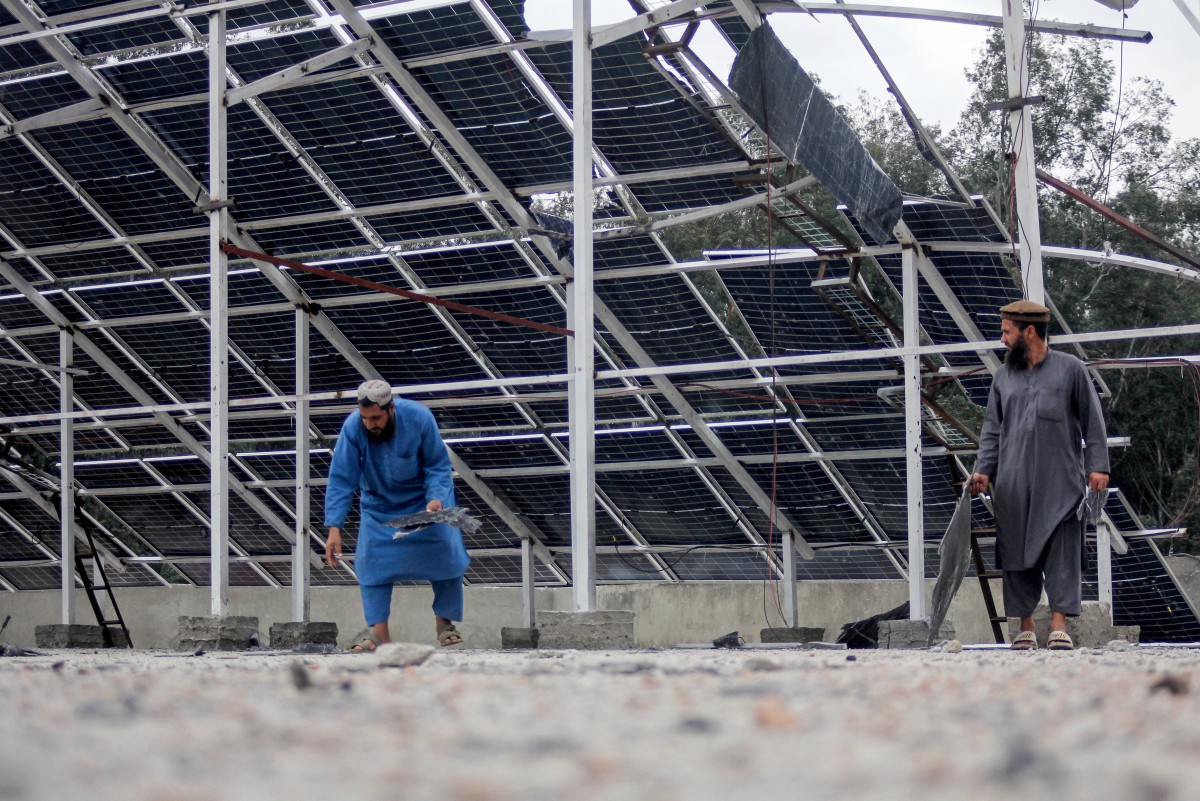
While aid agencies stretched their capacity, floodwaters cut through the south. Heavy rains beginning March 25 affected Parwan, Paktia, Kandahar, Zabul, Helmand and Nangarhar provinces, killing hundreds and injuring more, according to OCHA flash updates.
According to the EU's emergency coordination center, 60,000 people have been confirmed to need assistance out of the 73,300 initially affected.
Across five provinces, 61 health facilities were also impacted.
The Directorate-General for European Civil Protection and Humanitarian Aid Operations reported that a mere 42% of identified flood-affected people had received humanitarian support.
Failed harvests
The food crisis visible in April's market data is a lagging indicator. The forward-looking numbers are worse. Urea fertilizer, critical during planting season, costs 40% more than last year. DAP fertilizer is up 19%, per WFP.
Farmers who cannot afford inputs now will produce less food later.
Afghanistan's agriculture is largely rain-fed, and the La Niña phenomenon in early 2025 had already reduced snowfall and rainfall while raising temperatures, severely disrupting growing conditions, per UNICEF's Innocenti.
The harvest being planted in April is already compromised.
The vanishing workforce
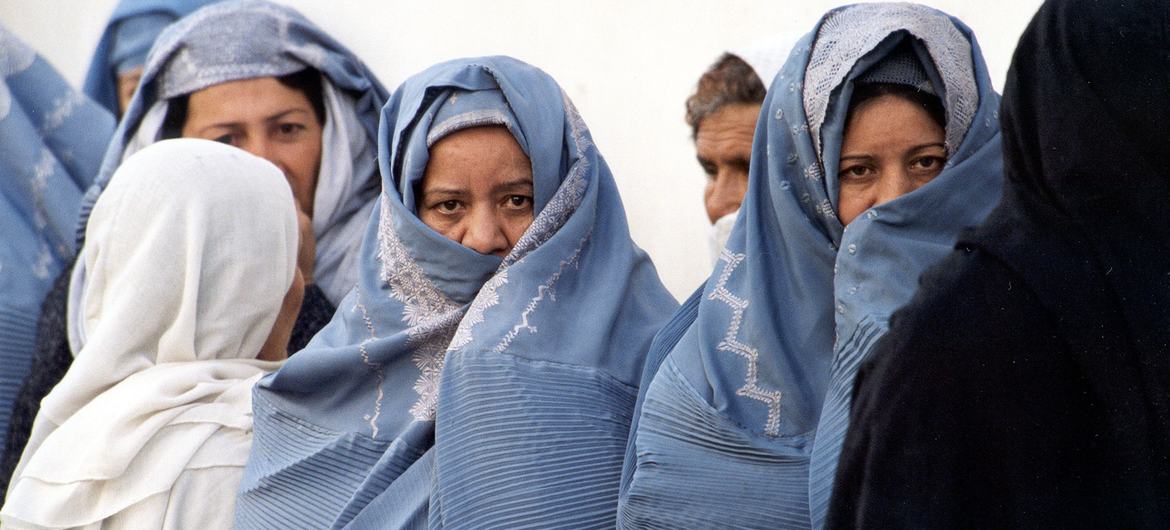
In 2024, approximately 3.8 million girls aged 7 to 18 were out of school, including more than 2.6 million adolescent girls, according to the April UNICEF Innocenti issue brief.
Nearly 8 out of 10 young Afghan women are currently not in education, employment or training. The UNICEF brief noted that this is one of the highest rates globally.
Each year, an additional 250,000 girls are barred from progressing beyond primary education. By 2030, more than 2 million will have been directly affected.
Teaching and healthcare, the two sectors in which women are currently permitted to work, are losing staff faster than they can be replaced. These sectors face a projected loss of up to 20,000 skilled female teachers and 5,400 skilled female health workers by 2030, roughly one quarter of the 2021 workforce, according to UNICEF.
The economic cost stands at a minimum of 5.3 billion afghani ($84 million) annually, equivalent to 0.5% of Afghanistan's 2023 GDP, compounding each year, per UNICEF. Stunting among children under five has already risen from 44.7% to 45.6%, an increase of an estimated 10,000 additional children. This is a direct consequence of education restrictions, UNICEF reported.
The scale
Approximately 21.9 million people (about 45% of Afghanistan's population) are projected to require humanitarian assistance in 2026, according to OCHA's Humanitarian Needs and Response Plan.
Of those, 17.4 million face acute food insecurity and an estimated 3.5 million children are acutely malnourished.
Meanwhile, the International Rescue Committee reported that approximately 5 million people are at emergency hunger levels, one step from famine-like conditions.



.webp)
.jpg)

.jpg)
.jpg)