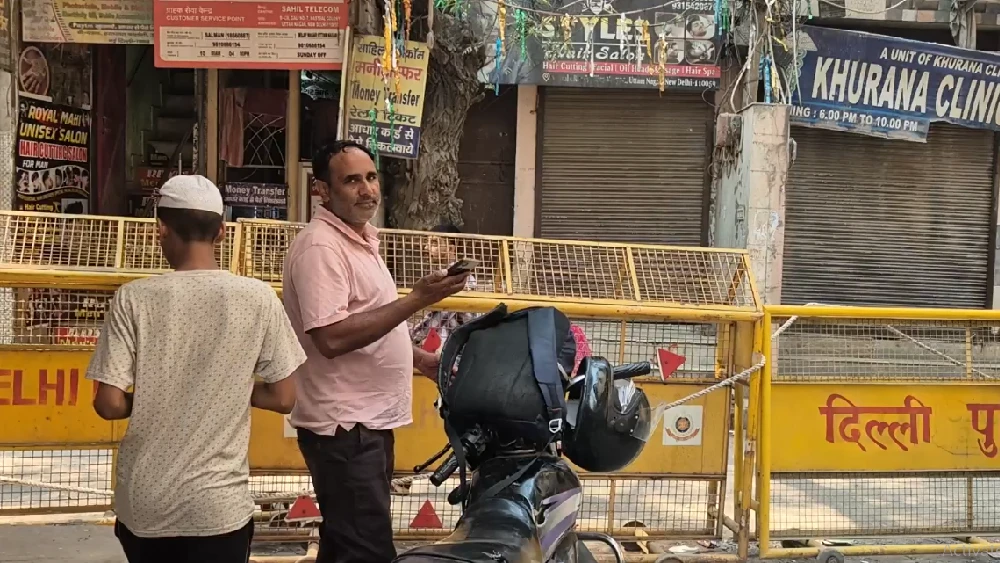
ISLAMABAD: A recent sealing drive by the Municipal Corporation of Delhi (MCD) in Uttam Nagar has sparked controversy, with social media users and local voices calling the action a disproportionate targeting of Muslim-owned eateries and shops.
According to India's Indo-Asian News Service, the MCD sealed more than 20 eateries and meat shops in Hastsal’s JJ Colony for operating without a valid Health Trade License (HTL).
However, the crackdown has drawn criticism online, with claims that the enforcement drive selectively impacted businesses run by members of the Muslim community.
Posts circulating on social media platform X allege that several biryani outlets and small hotels, reportedly Muslim-owned, were sealed, while shops belonging to other communities in the same locality continued operations without facing similar action.
The action followed inspections conducted on April 17 and 18, during which 30 outlets were found to be in violation of licensing rules. Authorities said all establishments were issued notices, and some owners voluntarily shut down.
Activists and users have questioned the apparent disparity, calling for transparency in enforcement and equal application of municipal laws. Some posts also claimed that even vacant shops in residential areas were sealed during the drive.
MCD officials, however, maintain that the action was part of routine enforcement under the Delhi Municipal Corporation Act and aimed at ensuring compliance with public health and safety regulations. They have not responded directly to allegations of selective targeting.
The development has added to ongoing concerns raised by rights groups and observers over alleged discrimination against minorities in India, particularly in administrative and law enforcement actions.
No independent verification of the claims regarding selective targeting has been officially confirmed, but the issue continues to gain traction online, prompting calls for further scrutiny.


.jpg)
.jpg)
.jpg)