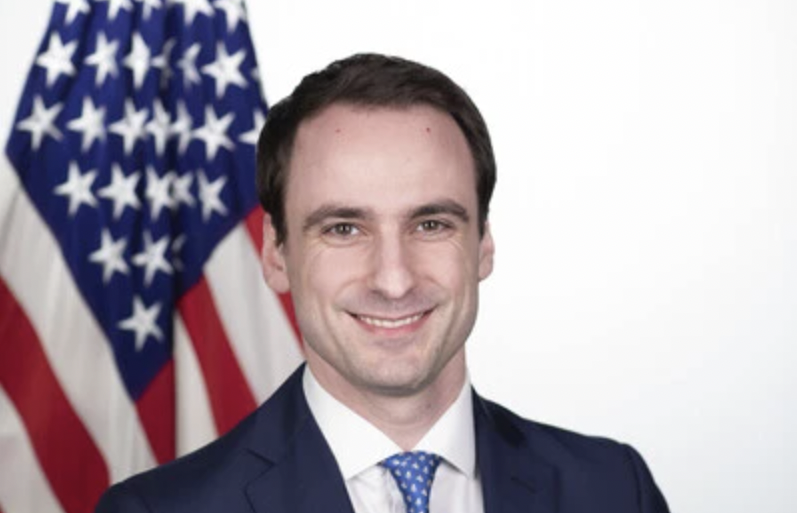
NEW DELHI: White House technology adviser Michael Kratsios said Friday that the United States "totally" rejects global governance of artificial intelligence.
Kratsios, head of the country's delegation to an AI summit in New Delhi, made the comments ahead of an expected leaders' statement setting out a shared vision on how to handle the divisive technology.
"As the Trump Administration has now said many times: We totally reject global governance of AI," he said at the summit, which draws to a close on Friday.
"AI adoption cannot lead to a brighter future if it is subject to bureaucracies and centralised control."
On Friday morning, UN chief Antonio Guterres had said that a new expert panel convened by the global body aimed to "make human control a technical reality".
The advisory group -- aiming to be to AI what the UN's Intergovernmental Panel on Climate Change (IPCC) is to global warming -- was created in August, and its 40 members have now been confirmed, Guterres said.
At last year's edition in Paris, US Vice President JD Vance warned against "excessive regulation" that "could kill a transformative sector".
In New Delhi, Kratsios said that "international discussion of AI has evolved, as this summit itself attests," noting the change of the meeting's name from "AI Safety" to "AI Impact".
"This is clearly a positive development," but "too many international forums, such as the UN's Global Dialogue on AI Governance, maintain a general atmosphere of fear," he said.
"We must replace that fear with hope," Kratsios added, saying that AI has the potential to "advance human flourishing and drive unprecedented prosperity".
He argued that "ideological, risk-focused obsessions, such as climate or equity, become excuses for bureaucratic management and centralisation".
"In the name of safety, they increase the danger that these tools will be used for tyrannical control."
"Focusing AI policy on safety and speculative risks... inhibits a competitive ecosystem, entrenches incumbents, and isolates developing countries from full participation in the AI economy," Kratsios said.