

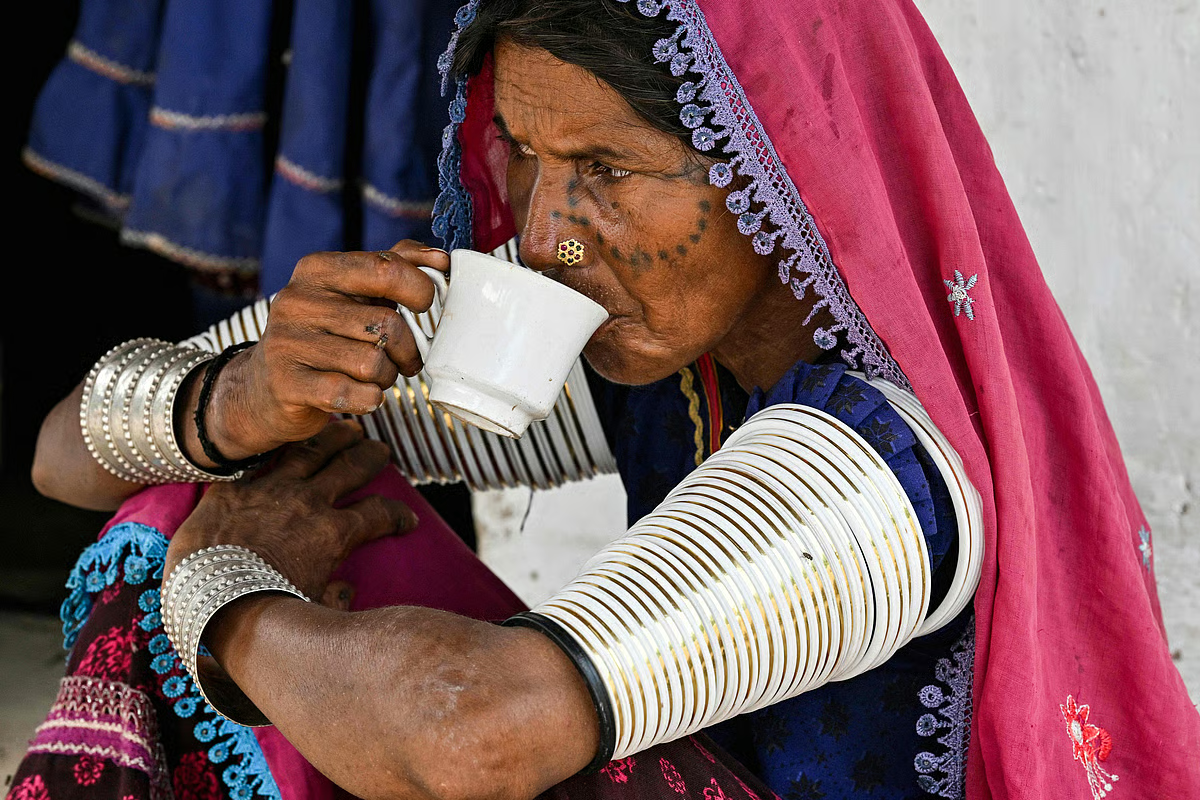
This photograph taken on July 14, 2025 shows Reshma as she sips tea at the Ponjo Kolhi village, about 30 km from Umerkot, Pakistan. (AFP)
ISLAMABAD: While most countries tolerate the rain, Pakistanis have built an entire culinary culture around it. April showers don't just bring clouds – they bring out the fryers, the "chai dhabaas," and a very specific, very non-negotiable list of cravings that has barely changed over generations.
There's a reason for that: April rain in Pakistan hits differently. Unlike the humid streak of the monsoons or winter's dry bite, spring showers arrive with cool breezes and heavy skies, triggering something deep in the national appetite.
For generations, Pakistanis have refined exactly which foods answer that call, and the pattern holds remarkably consistent across cities, regions, and households.
Here's the countdown to the five that define the rainy day in April, from Karachi's food streets to the dhabas (roadside eateries) of Rawalpindi.
Fried fish and haleem: When the craving goes deep
Opening the countdown is the heaviest hitter on the list. Snacks dominate the visual culture of rainy day eating, but cooler April temperatures also drive a quieter, equally serious demand for protein.
In the valleys of Swat and Kaghan, light spring showers coincide with fresh trout marinated in pomegranate powder and spices, then fried to a golden crisp. In Karachi, pomfret (paaplet) and rahu pull crowds back to Keamari Seafood Street the moment rain hits the forecast.
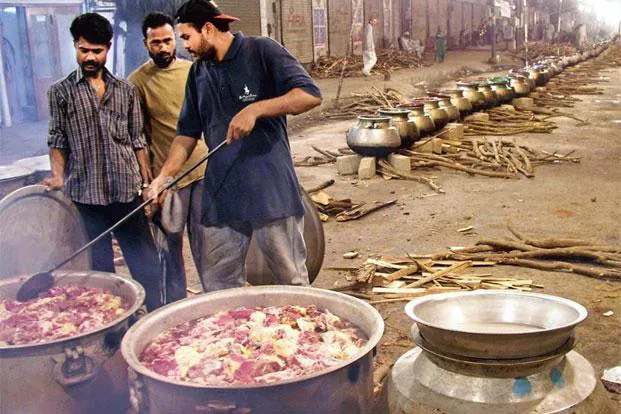
For the landlocked and comfort-food inclined, haleem is the answer. Slow-cooked meat, lentils, wheat, and barley, simmered for 7-8 hours into a thick, porridge-like stew, it's a fixture of rainy weekends in Islamabad. Add seekh kebabs or a chapli kebab from northwestern Khyber Pakhtunkhwa on the side, and you have a meal that carries you through an entire cold, wet afternoon.

Jalebi: The sweet antidote to the April chill
As rain lingers into the evening and temperatures keep dropping, the craving pivots hard toward sweetness. Jalebi, deep-fried spirals of fermented batter soaked in saffron-cardamom sugar syrup, delivers exactly the warmth and glucose hit the body is asking for.
.jpg)
The preparation is more technical than it looks. The batter ferments overnight, developing a subtle tang that stops the dessert from being one-dimensional. A dash of lemon juice in the syrup prevents crystallization, and the frying temperature has to be precise to nail that crispy-yet-syrupy contrast.
In Punjab, jalebi is served with warm milk, a combination called doodh jalebi that is widely believed to help the body retain heat on damp evenings. Meanwhile in Karachi, jalebi alongside spicy kachori is the standard order: sweet and savory, sorted in one sitting.
Halwa puri: The rainy morning ritual
The countdown so far has been evenings and afternoons. Halwa puri claims an entirely different slot: the rainy morning.
Rain arrives overnight. You wake up to grey skies and a cool breeze. The only appropriate response in much of Pakistan is to either make halwa puri at home or drive, immediately, to the nearest trusted spot.
.jpg)
The platter is a balancing act: puffed deep-fried puri bread, semolina halwa roasted in ghee with cardamom, slow-cooked chickpeas, and tangy potato stew. Sweet, savory, spicy, and fried, all at once.
Outlets across Rawalpindi and Islamabad get noticeably busier every time rain falls on a weekend, families gathering over shared plates, happy to wait out the weather together.
It's famously calorie-dense, nicknamed "the breakfast of survivors" in local food writing, and the portion sizes earn that title. Lunch is typically skipped.
Samosas: Geometry and comfort in one bite
A close second. The samosa, triangular, fried, and perfect, has been a fixture of South Asian food culture since the Delhi Sultanate era, arriving via the Silk Road as the Middle Eastern sambusak. Centuries of refinement later, it's Pakistan's go-to rainy day social food.
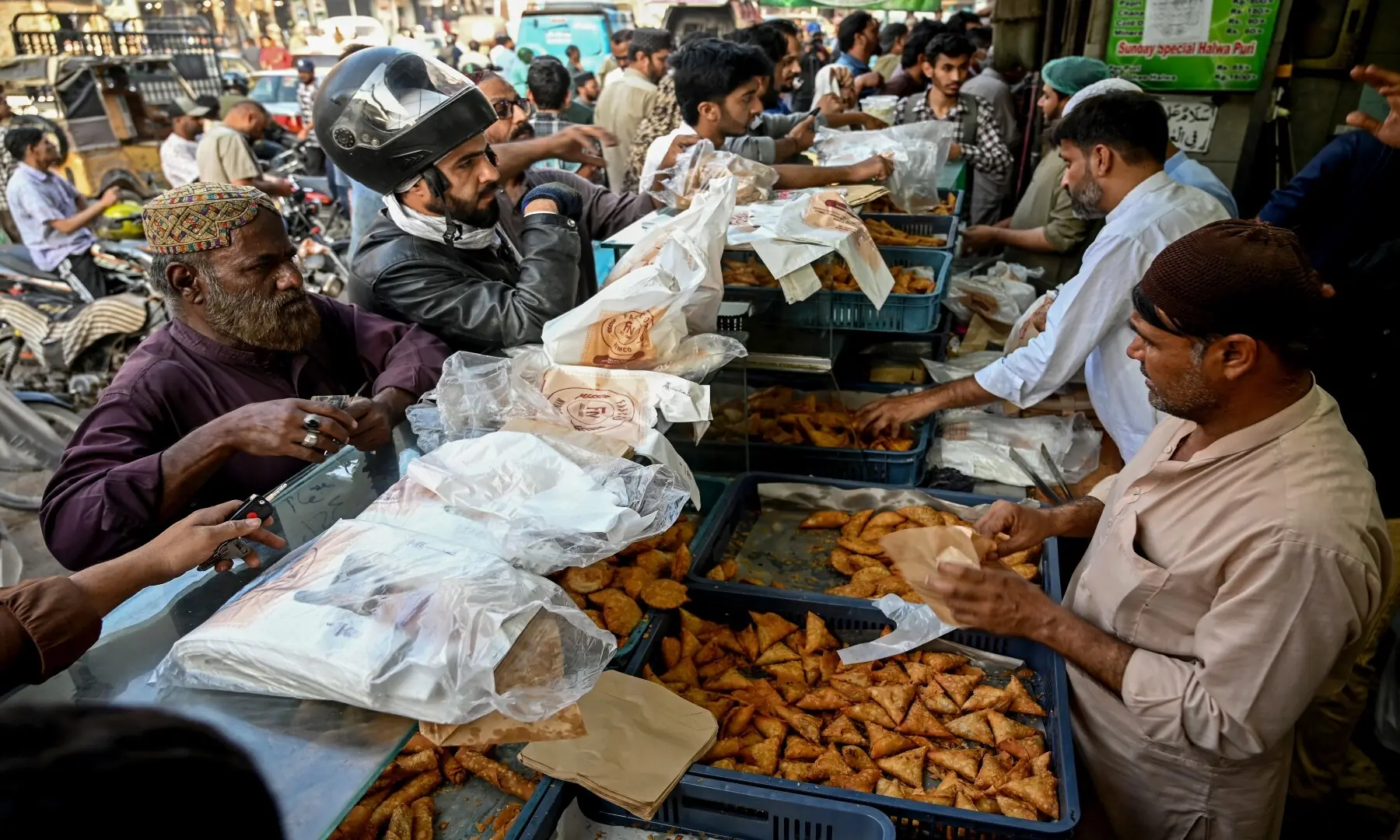
In April, the aloo samosa (potato) and matar samosa (fresh pea) dominate, making the most of the spring harvest. The appearance of rain clouds produces a near-immediate spike in sales across Islamabad and Karachi, with vendors routinely selling out within hours of the first downpour.
The samosa never travels alone. Tamarind chutney, or a spicy mint-coriander dip, is non-negotiable.
For the full experience, there's samosa chaat, crushed samosas topped with chickpeas, yogurt, chopped onions, and chaat masala. That's where the rainy afternoon really begins.
Pakoras: The undisputed king
Nothing else comes close.
The pakora, a deep-fried gram flour fritter, is the most consumed rainy-day food in Pakistan. It earns that title across every city, every socioeconomic background, and every generation. When it rains in April, pakoras aren't just popular, they're expected.
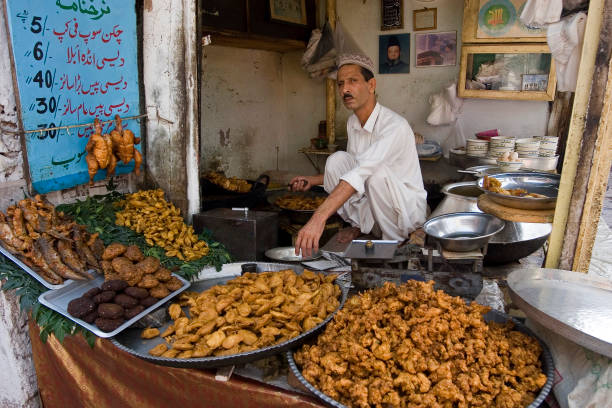
The classics are aloo pakora (potato) and pyaz pakora (onion), loved universally from Karachi to Peshawar. April adds a seasonal dimension: fresh green onions and spinach at their spring peak give street vendors and home cooks a wider palette to work with.
Whatever ends up in the fryer, the formula is the same. Spiced gram flour batter, hot oil, and a tang from dried pomegranate seeds (anaardana) that cuts clean through the richness.
The scale of demand on a rainy afternoon is hard to overstate. Queues spill past stalls on Burns Road and Hussainabad in Karachi, and on a busy rainy day, a single stall can put out staggering numbers.
The anchor: Chai
Every single entry on this countdown shares one thing. None of it is complete without tea.
.jpg)
Whether it's the strong, condensed kick of karak chai (strongly brewed tea), the slow-brewed creaminess of dhoodh patti (milky tea), or the earthy sweetness of gur wali chai (jaggery-sweetened tea), tea is the constant across every city, every class, and every food choice. The cardamom in most brews is traditionally credited with aiding digestion after all that fried food, while the warmth of the cup counters the chill outside.
The ritual of sitting with tea while rain falls, alone or with family, is for most Pakistanis the real point of the whole experience. The food is good. The rain makes it better. And the chai makes it unforgettable.
Latest News
Vatican envoy's aid convoy to south Lebanon retreats after taking fire: Security source
AN HOUR AGO

Pakoras, samosas and tea: Food Pakistanis crave when it rains
3 HOURS AGO
French pair held in Iran 'free and on their way to France': Macron
4 HOURS AGO

Pakistan issues over 2,800 visas to Indian Sikhs for Baisakhi pilgrimage
4 HOURS AGO
China says it supports Pakistan’s mediation efforts between US, Iran
4 HOURS AGO