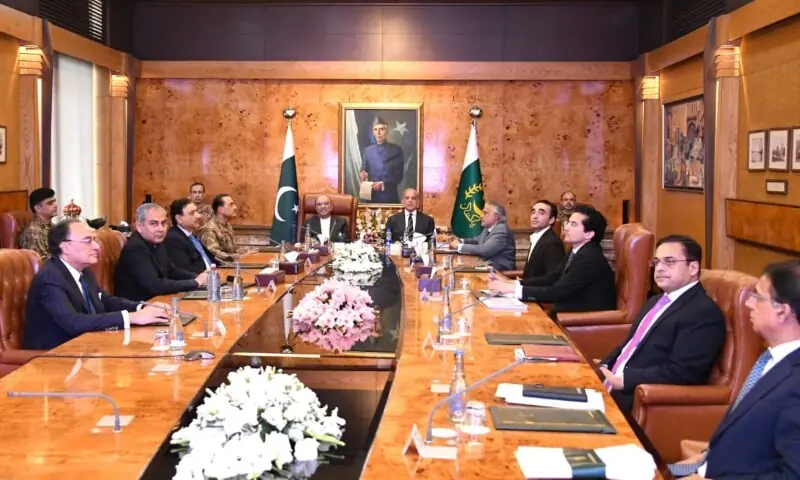
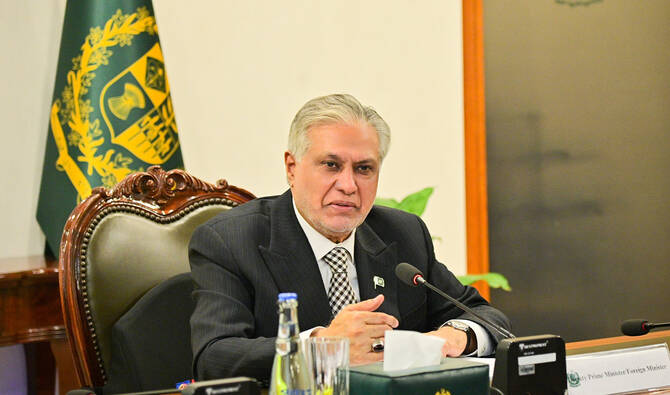
ISLAMABAD: President Asif Ali Zardari led a high-level consultative meeting at Aiwan-e-Sadr to assess the evolving economic and energy situation amid oil supply constraints and rising petroleum prices, as well as regional security developments, according to a press release issued by the President's Secretariat on Thursday.
Prime Minister Shehbaz Sharif and Chief of Defence Forces Field Marshal Syed Asim Munir also attended the meeting. Other participants included cabinet members and senior government officials.
The meeting reviewed the impact of fluctuations in global oil and gas supplies and prices on Pakistan’s economy, with particular focus on managing inflationary pressures and ensuring energy security.
The ministers for finance and petroleum briefed the meeting on ongoing measures to stabilize petroleum prices, manage the effects of rising fuel costs on other sectors of the economy, and enforce fiscal discipline through austerity measures to reduce expenditure pressures.
The broader regional situation also came under discussion, including its implications for Pakistan’s security, economic outlook and food security.
The meeting emphasized the need for a coordinated national response, noting that policy decisions must prioritize stability while safeguarding the public interest.
The meeting underscored the importance of maintaining national consensus and strengthening institutional coordination in view of emerging regional challenges. It was agreed that economic management, energy planning, food security, and broader security concerns must stay closely aligned to address this challenging situation.
The meeting also emphasized the need for public awareness to reduce fuel consumption, encourage the use of public transportation and promote shared ride systems.