ISLAMABAD: Pakistan has reaffirmed its unwavering support for Saudi Arabia, saying it will stand by the Kingdom “no matter what,” as the widening war triggered by US-Israeli strikes on Iran continues to shake regional security and global energy markets.
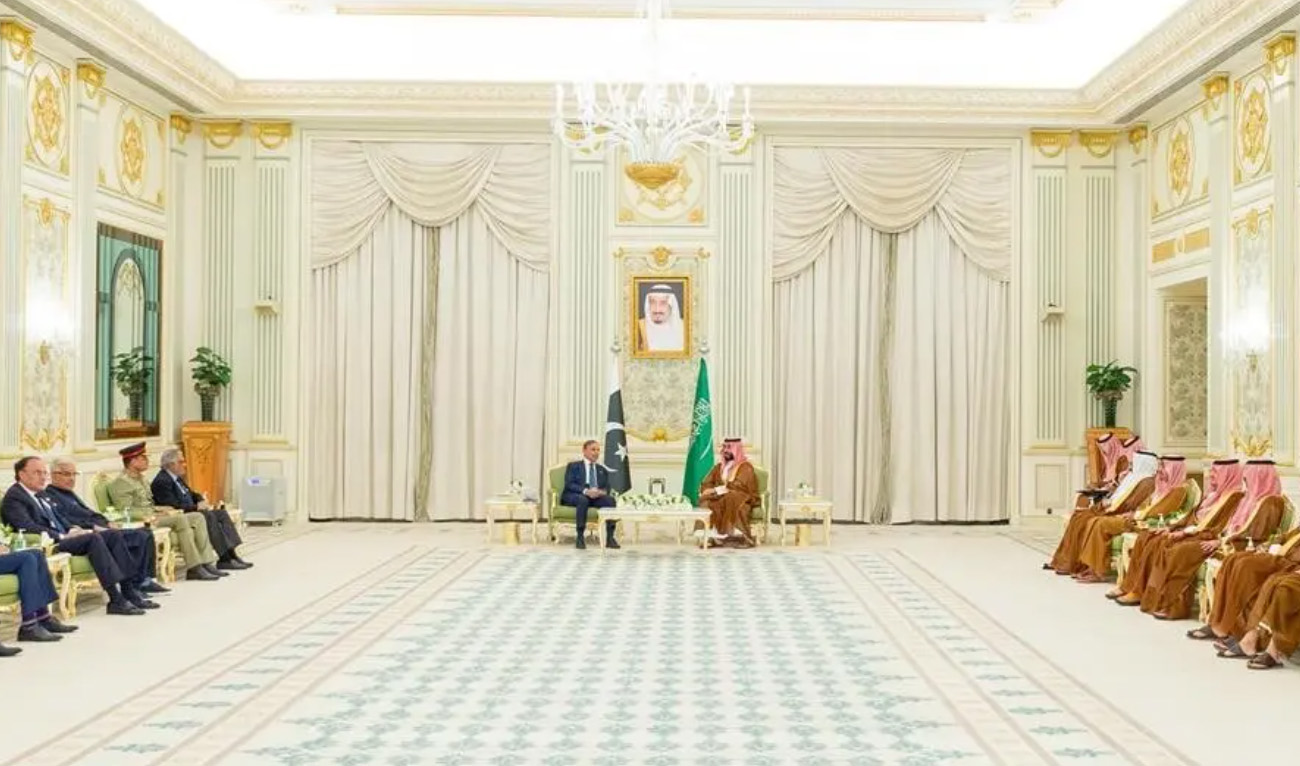
Speaking to Bloomberg Television, Pakistan Prime Minister Shehbaz Sharif’s spokesperson, Mosharraf Zaidi, underscored the depth of Islamabad’s strategic partnership with Riyadh, particularly following their mutual defense agreement.
“One thing to be clear about is the question isn’t whether Pakistan might come to Saudi Arabia’s aid,” Zaidi said. “Both countries have always operated on a principle of being there for the other before they need to be, no matter what.”
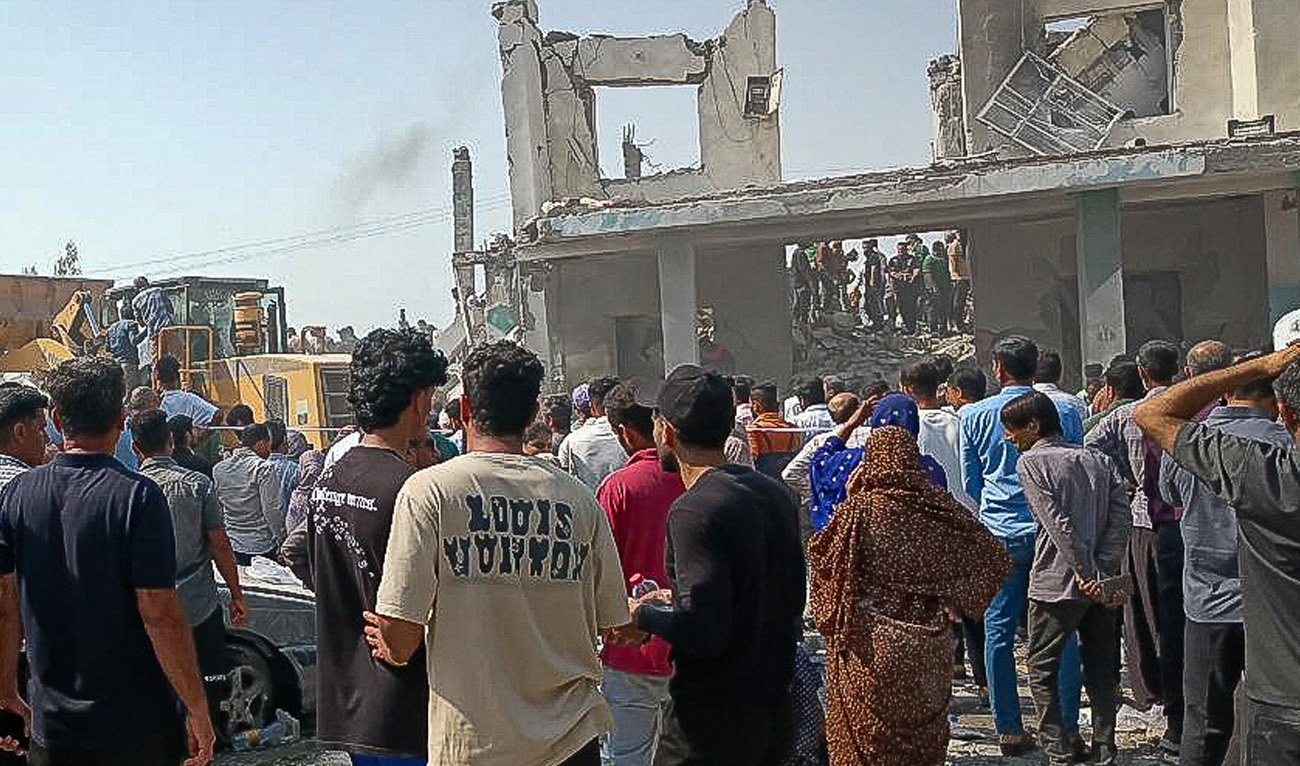
The comments come as tensions escalate across the Middle East after US and Israeli strikes on Iran triggered a widening regional conflict, raising concerns about attacks on Gulf states and the security of global oil supplies.
Last week, Pakistan Chief of Defense Forces and Chief of Army Staff Field Marshal Syed Asim Munir met Saudi Defense Minister Prince Khalid bin Salman in Riyadh, where the two sides reaffirmed their strategic defense partnership and discussed regional security as the crisis deepened.
The meeting underscored growing military coordination between Islamabad and Riyadh amid fears the conflict could draw Gulf states further into the war.
Talking to Bloomberg, Zaidi said Pakistan is closely coordinating with regional partners while also maintaining dialogue with Tehran in an effort to prevent further escalation.
“We are constantly in touch with Iranian leadership,” he said, adding that Islamabad has engaged in sustained diplomatic conversations with multiple countries in the region in recent days.
Pakistan’s leadership has also been working to manage the economic fallout from the conflict, particularly disruptions to energy supply routes linked to instability around the Strait of Hormuz.
Zaidi said the government moved quickly to raise fuel prices earlier in anticipation of supply disruptions, a decision that has placed pressure on consumers but helped protect supply chains.
“The increase in the petroleum and diesel prices a few days ago has hit the Pakistani consumer really hard. There’s a lot of concern,” he said.
At the same time, authorities have introduced measures to conserve fuel and stabilize demand, including a four-day government work week, expanded remote work and reduced official vehicle use.
Despite the regional turmoil, Zaidi said Pakistan’s immediate priority remains ensuring supply stability and protecting its maritime routes.
“The Pakistani Navy has been providing escorts through shipping lanes in Pakistani waters,” he said, adding that Islamabad’s focus is securing its own territory while supporting diplomatic efforts to calm the crisis.
Zaidi also addressed security concerns on Pakistan’s western border, rejecting suggestions that the country is engaged in a broader conflict with Afghanistan.
“We are not in a conflict with Afghanistan,” he said. “We are in a conflict with a regime that’s been hosting and giving safe haven to Taliban terrorists attacking Pakistani civilians.”
He said Pakistan will continue counterterrorism operations until militant groups operating from Afghan territory no longer threaten its security.
As the Middle East war continues to ripple through regional politics and global markets, Islamabad says its approach remains centered on diplomacy, economic stability and strong strategic partnerships.