ISLAMABAD: Pakistan achieved consecutive positive credit ratings from Fitch Ratings for the first time in years on Monday. This development comes as the country's foreign exchange reserves have nearly doubled, inflation has declined, and borrowing costs have reached their lowest levels in recent memory. These significant improvements would have been hard to predict when the nation was on the brink of default in 2023.
Fitch upgraded Pakistan from 'CCC+' to 'B-' in April 2025. This year, it affirmed that rating with a "Stable Outlook," a result that shows that last year's gains were not a one-off.
The reserve picture alone marks a transformation. Gross foreign exchange reserves stood at less than $8 billion in early 2023. By March 2025, they had recovered to just under $18 billion. By February, they reached $28.4 billion, with non-gold reserves rising $5.1 billion year-on-year to $17.5 billion.
Inflation has undergone an equally steep reversal. Consumer prices averaged above 23% in FY24. Fitch projected 5% for FY25. The FY26 forecast of 7.9% is higher, driven by global energy pressures, but it remains a fraction of where Pakistan stood two years ago.
The State Bank of Pakistan cut its policy rate from 22% in May 2024 to 12% by early 2025, then to 10.5% by the end of 2025. Market rates fell in tandem, easing costs across the economy and helping push GDP growth from 3% in FY25 to a projected 3.1% in FY26.
Fiscal gains have compounded. Pakistan's primary surplus more than doubled in FY25, exceeding 2% of GDP. It is projected at 2.1% in FY26. Government debt as a share of GDP is forecast to fall to 68.9% in FY26 from 70.7% in FY25. Provincial governments have legislated increases in agricultural income tax, a structural benchmark that was unresolved at the time of the 2025 upgrade.
Pakistan has also deepened its relationship with the IMF considerably. One program review had been completed when Fitch issued last year's upgrade. Three have now been completed, and a March staff-level agreement is set to unlock a combined $1.2 billion pending board approval.
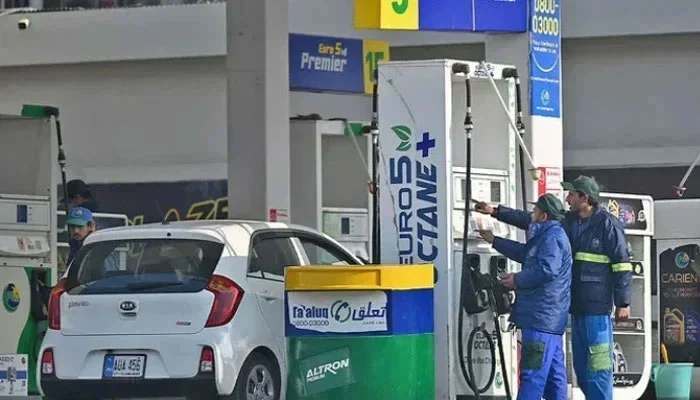
Risks remain real. Pakistan sources up to 90% of its oil from the Gulf, leaving it exposed to the Middle East conflict and potential disruptions in the Strait of Hormuz. External debt amortizations are expected to rise to $12.8 billion in FY26 from roughly $8 billion in FY25.
Fitch said a downgrade would follow a sharp drawdown in reserves or fiscal slippage. An upgrade requires sustained reserve gains and structural improvements in tax revenue.