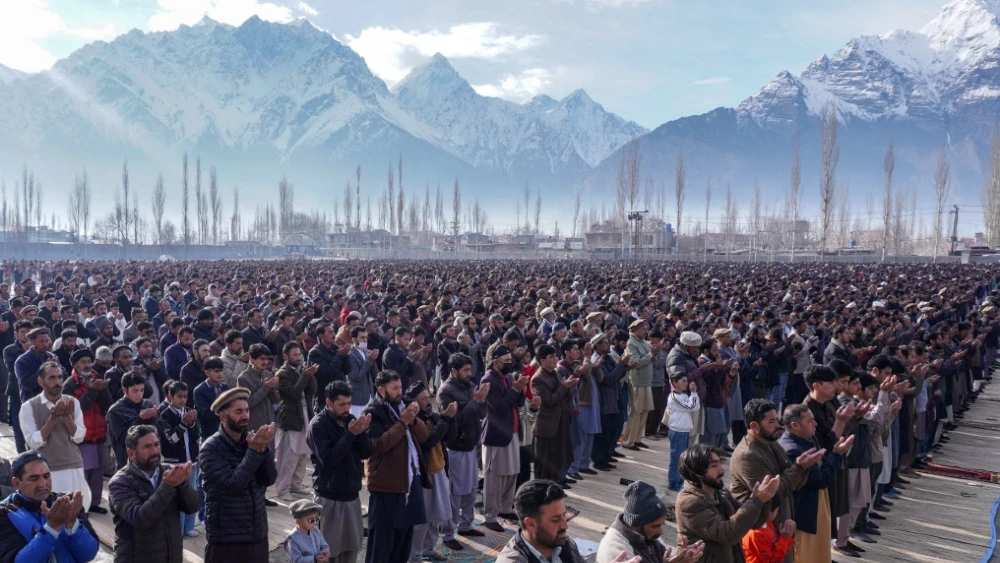
ISLAMABAD: Pakistan marked Eid ul Fitr with religious devotion, vibrant celebrations, and a strong message of unity, as millions gathered for special prayers while the country balanced festivity with economic caution amid a global crisis.
From the early hours of the morning, worshippers, including children dressed in new clothes, thronged mosques and open prayer grounds across cities and villages. Families embraced after prayers, while streets filled with a festive atmosphere marked by traditional food, greetings, and visits to relatives.
Eid ul Fitr marks the end of Ramadan, the Islamic month of fasting, prayer, and charity. Muslims celebrate the occasion with communal prayers, giving to the poor, and sharing meals, reflecting both spiritual renewal and social solidarity.
In his message, Prime Minister Shehbaz Sharif congratulated the nation and urged collective responsibility in challenging times.
“This Eid specially demands human sympathy, national unity, and collective responsibility from us,” he said, adding that “the true joys of Eid are only complete when we share these joys with the deserving and needy individuals around us.”
Addressing the economic situation, the prime minister highlighted the impact of regional conflict and surging global oil prices.
“Oil that was available for $72 per barrel a few weeks ago has crossed $158 per barrel,” he noted, warning that the burden of rising prices was being felt globally.
He said the government had rejected steep fuel price increases to protect citizens.
“I rejected this proposal because I knew the previous increase was already a heavy burden on the common man,” he said, adding that the government absorbed costs of around Rs69 billion to prevent sharp hikes.
However, he cautioned that such measures were temporary. “This is not a lasting solution,” he said, announcing a shift toward targeted relief for the most vulnerable and calling for a national movement of austerity.
“We must adopt austerity in our daily lives and avoid unnecessary expenses,” he urged.
President Asif Ali Zardari, in his Eid message, emphasized unity, compassion, and adherence to national values.
“The true message of Eid is piety, self-accountability and moral purity,” he said, urging citizens to uphold patience, tolerance and brotherhood.
He also called for sharing happiness with the underprivileged and reaffirming commitment to constitutional supremacy and the rule of law.
Economic impact
Alongside the celebrations, Eid once again demonstrated its significant economic impact.
Seasonal spending surged nationwide, with the State Bank of Pakistan reporting a rise of Rs1.5 trillion (approximately $5.38 billion) in currency circulation during the fiscal year, driven largely by Ramadan and Eid-related activity.
The central bank also issued around Rs27 billion ($96.8 million) in fresh currency notes ahead of Eid, supporting both retail transactions and the cultural tradition of giving Eidi, cash gifts to children.
Additional financial inflows further strengthened consumer activity, with Zakat and Fitrana estimated between Rs50 to 70 billion ($179 to $251 million), alongside increased remittances during the period.
Despite global economic pressures linked to ongoing regional tensions, the convergence of faith, festivity, and financial activity highlighted Eid’s dual significance in Pakistan, both as a deeply spiritual occasion and a key driver of economic life.
As the nation celebrated, messages from its leadership underscored a shared theme: unity, compassion and collective resilience in the face of extraordinary challenges.



.jpg)