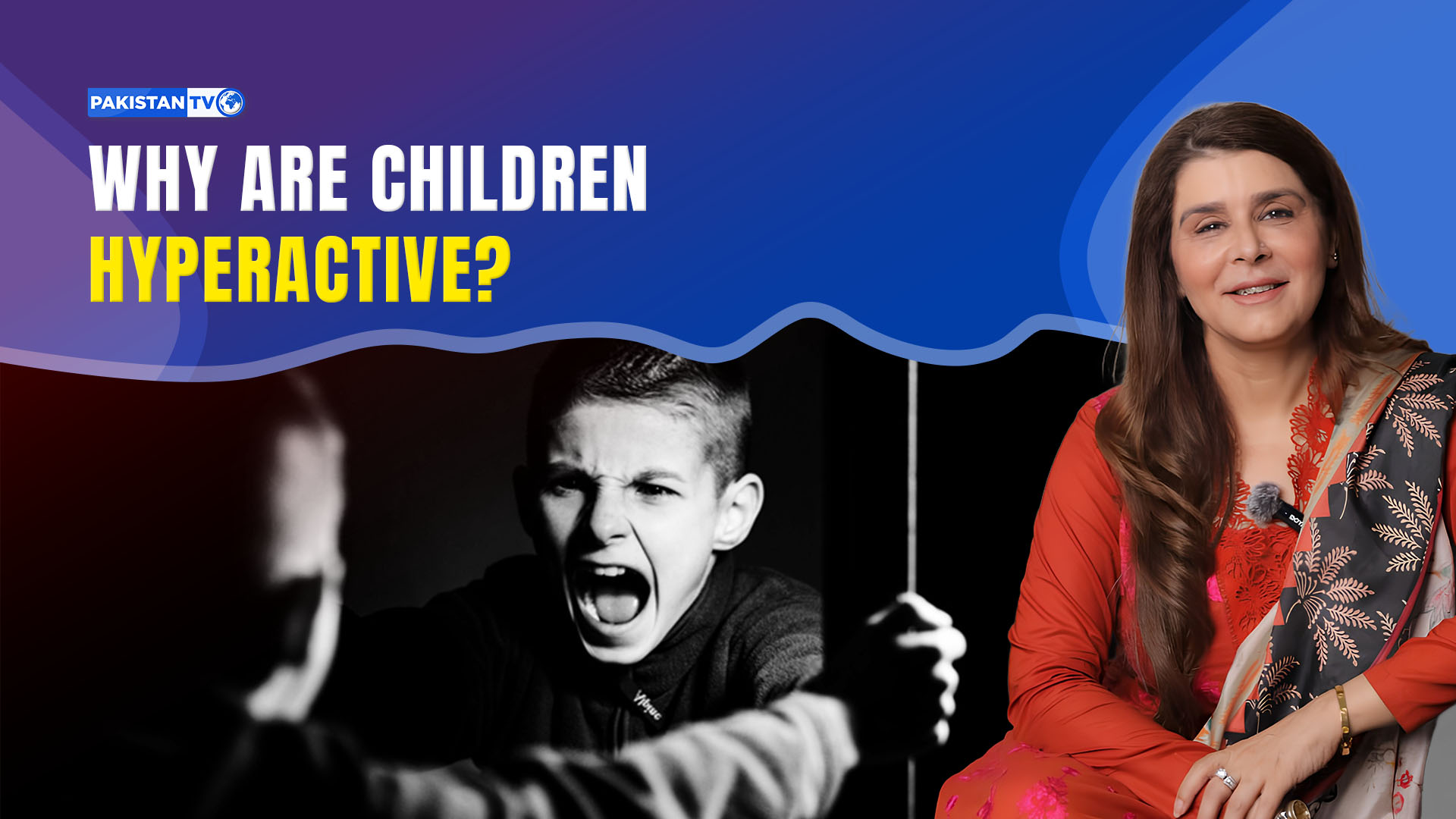
Many adults believe that raising one’s voice is a normal part of parenting, saying, “Children don’t listen otherwise.” In homes and schools, shouting is often treated as a form of discipline. Yet shouting does not teach children to behave better; rather, it teaches them to be afraid, confused, or equally loud.
As an educationist, I have seen this pattern repeated over the years and across classrooms.
A raised voice may stop a child in the moment, but it never builds understanding.
Silence after shouting is not obedience. It is an emotional shutdown.
Research on child psychology and emotional regulation shows that children learn to manage their feelings by watching adults.
When adults shout, children’s stress hormones rise. The brain moves into survival mode, during which learning stops.
The child may comply, but nothing is understood or remembered.
Consider a common morning scene. A child is slow to get ready for school; his shoes are missing, and his breakfast is unfinished. Consequently, the parents’ voice rises with every minute. The child freezes, cries, or becomes stubborn, and by the time the child reaches school, he is already anxious.
Teachers later complain that he is inattentive or aggressive, but the problem did not start in the classroom; it began at home, with raised voices.
Neuroscience supports this observation. Research from Harvard’s Center on the Developing Child shows that repeated exposure to stress — such as frequent shouting — can affect a child’s developing brain, weakening the areas responsible for attention, memory, and emotional control.
In simple words, shouting makes it harder for children to behave well in the future.
Some people, however, argue that “our parents shouted, and we turned out fine.”
This statement avoids an honest question: Did we truly turn out fine, or did we simply learn to hide fear and repeat the same behavior? Many adults admit they now struggle with anger, anxiety, or communication. These patterns often begin in childhood. In schools, the difference between loud authority and calm authority is clear.
I recall a teacher who never raised her voice, even in a noisy classroom. She paused, stood still, and waited. Slowly, students noticed. Silence followed. Her calm was stronger than shouting. The children respected her not because they feared her, but because they trusted her.
Another example comes from a parent who decided to change one habit: no shouting in the morning. Instead of repeated instructions, she created a simple routine chart with pictures. The first week was difficult. The second week was quieter. Within a month, her child became more independent.
The parent did not lose control. She gained cooperation. Research on positive discipline confirms this.
According to studies published in the Journal of Family Psychology, children raised with calm, consistent guidance show better self-control and fewer behavioral problems than those disciplined through yelling or threats. Calm discipline teaches responsibility, whereas loud discipline teaches fear.
Raising your voice also damages the relationship between an adult and a child, as children may listen to a shouting adult but stop sharing their thoughts.
They learn that mistakes bring anger, not guidance.
Over time, this creates distance. Power should never be loud to be effective. True authority is quiet and steady. The same is true in parenting and teaching. A calm voice shows confidence. A raised voice shows loss of control. This does not mean children do not need boundaries. They do.
But boundaries delivered calmly are clearer and stronger.
“We do not hit.”
“We finish our homework before play.”
Short sentences, firm tone, no shouting. Children understand this language.
Never raising your voice does not mean being weak. It means being aware. It means choosing long-term growth over short-term silence.
Children are not broken machines to be fixed with noise. They are learning humans. When adults lower their voices, children learn to regulate theirs. When adults stay calm, children feel safe enough to listen.
In the end, the goal is not quiet children. The goal is confident, emotionally healthy adults. And that lesson begins with a calm voice today.




.jpg)