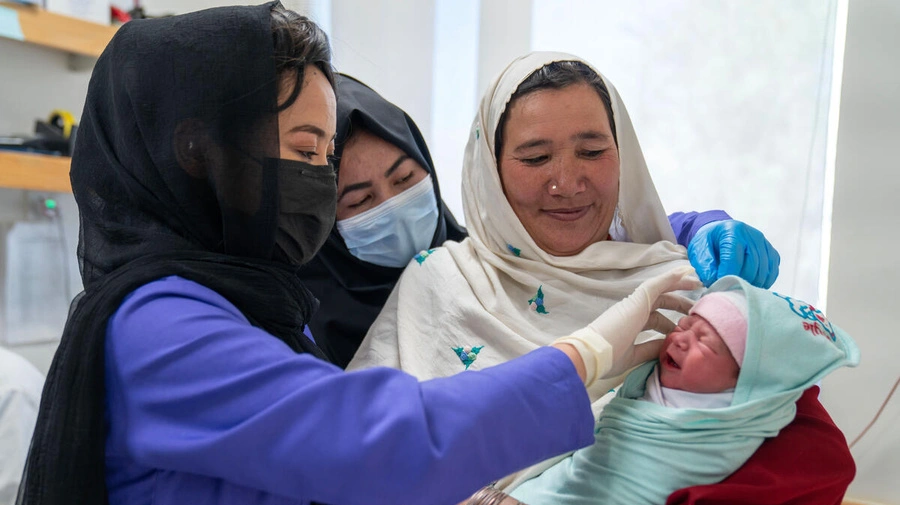
ISLAMABAD: An average of one woman dies every hour in Afghanistan from preventable pregnancy and childbirth complications, according to the World Health Organization, raising alarm over a deepening maternal health crisis in the country.
According to the report, Afghanistan’s maternal mortality rate has climbed to 521 deaths per 100,000 live births, among the highest in the world. Health experts say the vast majority of these deaths could be avoided with timely medical care.
Female doctors inside Afghanistan say a combination of restrictions and systemic challenges has pushed the health sector to the brink. They cite a shortage of female specialists, the closure of women-focused health centers, and limitations on medical graduates’ ability to pursue advanced training or sit for state licensing exams.
“These policies are directly affecting our capacity to provide care,” said one female physician in Kabul, who spoke on condition of anonymity for safety reasons. “Without trained female staff, many women cannot access treatment at all.”
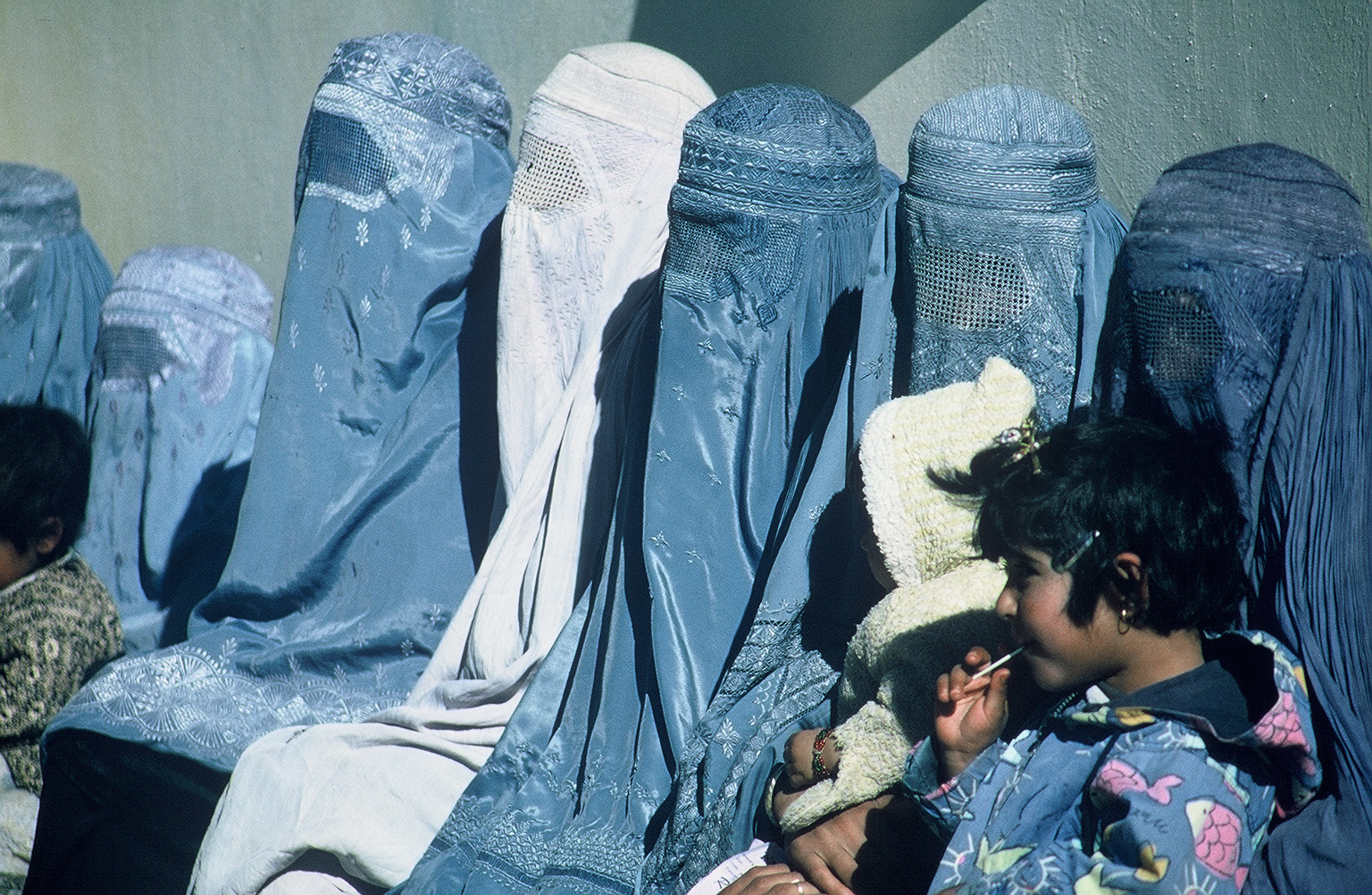
Under current rules imposed by the Taliban, women face significant barriers in education and employment, including in the medical field. Female health workers say these restrictions have reduced both the number of practicing professionals and the pipeline of future doctors.
In addition to staffing shortages, geographic and economic barriers are compounding the crisis. Many rural communities remain far from functioning health facilities, while high treatment costs and a lack of essential childbirth equipment further limit access to care.
The World Health Organization has warned that if current trends continue, maternal and newborn deaths could rise further. The agency has called for urgent measures to restore access to health services, expand training opportunities, and ensure that women can both receive and provide medical care.
Doctors on the ground echo those concerns, saying the situation could worsen rapidly without intervention.
“If these restrictions remain,” another female doctor said, “the health crisis will spread far beyond what we are seeing now.”