LAHORE: In the cultural heart of Lahore, where poetry still echoes in tea houses and public squares, the 10th edition of the Faiz Festival opens this weekend at Alhamra Arts Council.
Over three days, more than 40 sessions will transform the historic venue into a space of dialogue, dissent, music and memory all in tribute to one of South Asia’s most influential poets, Faiz Ahmad Faiz.
For international observers, the festival is more than a literary gathering. It is a barometer of Pakistan’s evolving cultural landscape where poetry, politics and public debate continue to intersect.
Born on February 13, 1911, in Kala Qader in Punjab’s Narowal district, Faiz emerged in the 20th century as a voice of lyrical resistance. A central figure in the Progressive Writers’ Movement under the leadership of Sajjad Zaheer, Faiz fused classical Urdu aesthetics with revolutionary humanism.
Unlike ideologues who romanticized rebellion, Faiz wrote with a clear-eyed understanding of structural injustice. In his poetry, deprivation is not destiny, it is design. That insight gives his work an enduring resonance in a world still grappling with inequality, authoritarianism and fractured democracies.
His literary contributions including Naqsh-e-Faryadi, Dast-e-Saba, Zindan-Nama, Dast-e-Tah-e-Sung, Mere Dil Mere Musafir and Sar-e-Wadi-e-Sina were later compiled into the comprehensive volume Nuskha Haa-e-Wafa.
Faiz’s international stature placed him alongside poets such as Pablo Neruda, Nazim Hikmet and Mahmoud Darwish, writers who, under the banner of the Afro-Asian Writers’ Association, articulated a post-colonial vision of dignity and justice.
He served as editor of its influential journal Lotus, helping shape a transnational literary conversation across Asia, Africa and Latin America.
This year’s festival reflects that same breadth of engagement.
The opening ceremony features remarks by Salima Hashmi, educationist and daughter of Faiz along with prominent legal and cultural voices.
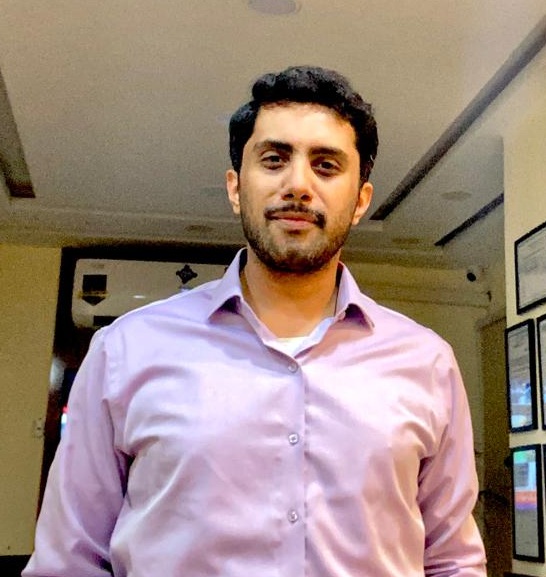
A solo exhibition by artist Naveen Hyder, titled Thread by Thread, She Gathers Herself, sets a contemplative tone, while the evening concludes with musical performances bringing Faiz’s verses to life.
The program for the first day also included four book launches, a workshop on digital journalism and a theatre performance of the play Dara a dramatized account of the power struggle between Mughal Prince Dara Shikoh and his brother, the future Emperor Aurangzeb.
Faiz’s biography reads like a chronicle of South Asia’s upheavals. During World War II, he served in the British Indian Army, rising to the rank of lieutenant colonel in 1944.
After the 1947 Partition, he resigned and moved to the newly formed Pakistan, becoming editor of The Pakistan Times and later managing editor of the Urdu daily Imroz.
He was deeply involved in trade union organizing and intellectual life.
In 1951, Faiz was arrested in the Rawalpindi Conspiracy Case and accused of plotting a coup. Sentenced to death and imprisoned for four years before his release in 1955, he transformed incarceration into creative ferment; much of Zindan-Nama emerged from those years behind bars.
International recognition followed. In 1962, he received the Lenin Peace Prize, cementing his global reputation. Yet political turbulence persisted.
After General Muhammad Zia-ul-Haq seized power in 1977, Faiz went into exile, spending time in Beirut before returning to Lahore shortly before his death on November 20, 1984.
In 1990, Pakistan posthumously awarded him the Nishan-e-Imtiaz, the nation’s highest civilian honor.
For visitors arriving in Lahore this weekend, the festival is also a journey into a city long considered Pakistan’s cultural capital a place where literary festivals fill auditoriums and poetry recitals draw intergenerational crowds.
As the 10th Faiz Festival unfolds at Alhamra Hall, it does more than commemorate a poet.
It reactivates a tradition of critical humanism in a region still negotiating the promises and fractures of post-colonial modernity.
Nearly four decades after his passing, Faiz’s words continue to gather people thread by thread into a collective act of remembrance and resolve.

.jpg)