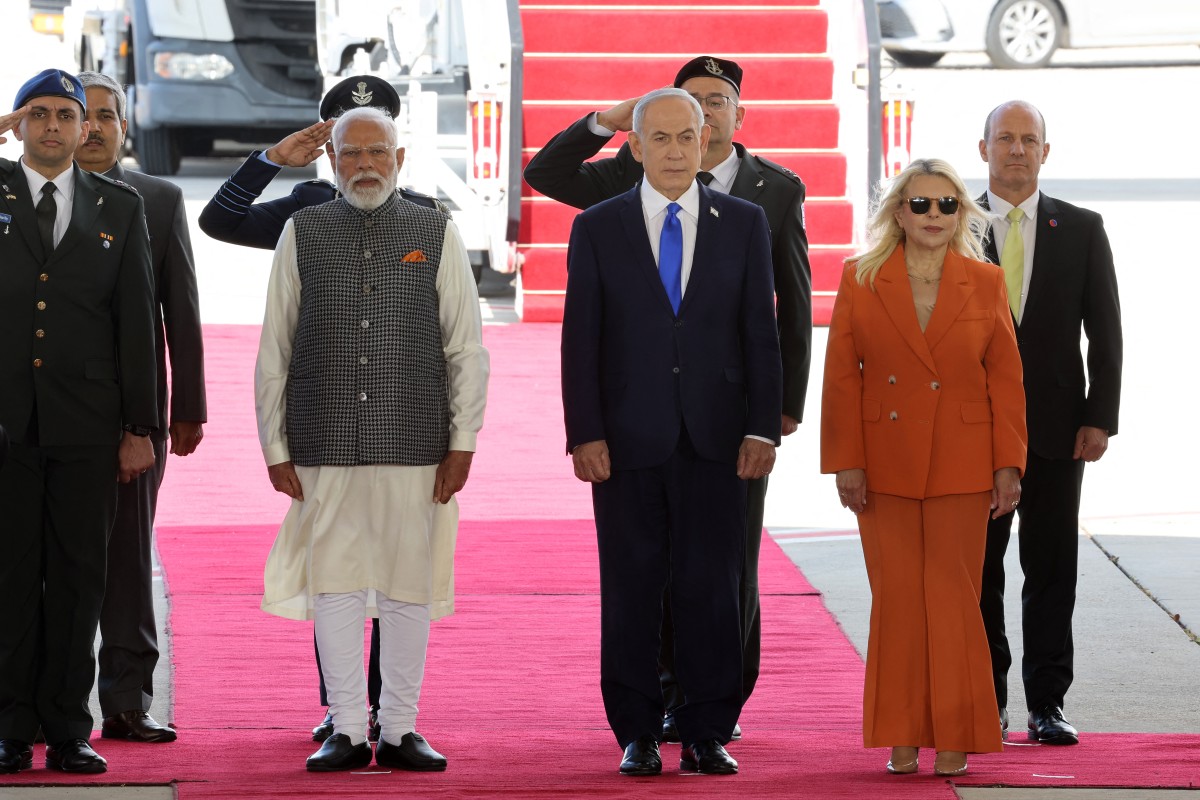
ISLAMABAD: Indian Prime Minister Narendra Modi arrived in Israel on Wednesday for a two-day visit that underscores the rapid expansion of India–Israel ties, according to The Times of Israel, even as his planned address to parliament faces a boycott by sections of the Israeli opposition and criticism from within India.
Modi landed at Ben Gurion Airport and is scheduled to hold a private meeting with Israeli Prime Minister Benjamin Netanyahu before travelling to Jerusalem.
The visit, billed by New Delhi as an effort to strengthen relations with a key trade and defence partner, comes at a time when both governments face sustained international criticism over human rights and democratic backsliding.
Modi is set to become the first Indian prime minister to address the Knesset, a move Israeli officials have described as a “strategic leap” in bilateral relations.
“Our nations share a robust and multifaceted strategic partnership,” Modi said in a departure statement before leaving India.
“Ties have significantly strengthened in the last few years,” he added, confirming he would meet Netanyahu and address the Knesset.
However, the address is expected to be partially boycotted by Israel’s opposition. According to Israeli media reports cited in the draft, opposition leader Yair Lapid is locked in a standoff with Knesset Speaker Amir Ohana over the decision not to invite Supreme Court President Isaac Amit to the special parliamentary session.
Lapid has urged Netanyahu to reverse the decision, calling the exclusion a break from parliamentary custom.
Growing cooperation
India has steadily expanded cooperation with Israel across defense, agriculture, technology, and cybersecurity, while publicly maintaining that it balances its interests across the Middle East.
This week, Indian and Israeli technical teams opened talks in New Delhi on a proposed free trade agreement. India’s government has said total merchandise trade between the two countries stood at $3.62 billion in 2024–25.
Defense cooperation is expected to feature prominently during Modi’s meetings. Israeli officials have signaled that discussions will include deeper defense integration, with media reports citing proposals for a multi-billion-dollar package covering advanced air defense and missile systems.
For Netanyahu, the visit is being framed as part of a broader regional security vision that links Israel more closely with India and select European partners.
Political backlash
Inside India, the visit has drawn sharp criticism from opposition figures, who say Modi is abandoning India’s long-standing position on Palestine.
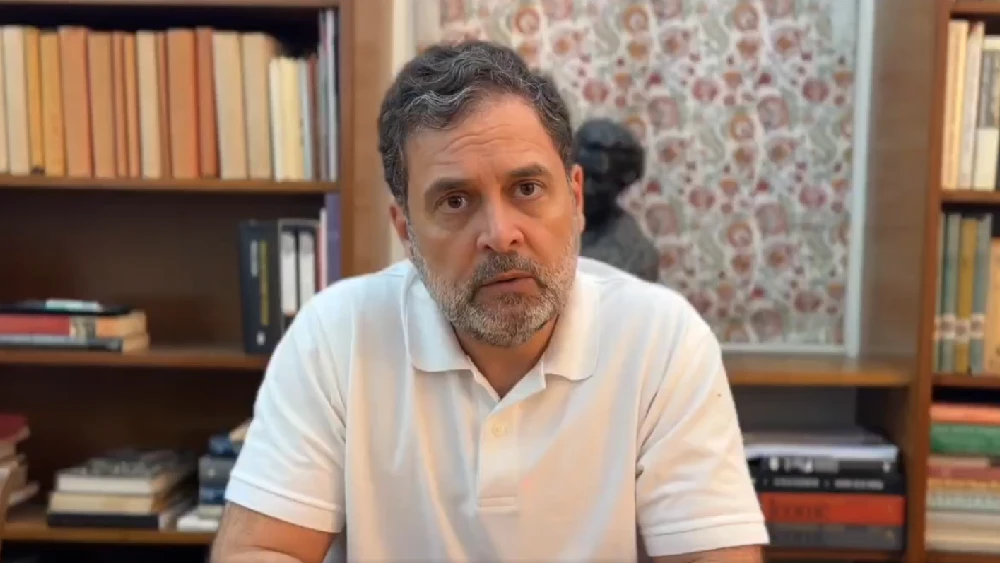
Senior Congress Party leader Priyanka Gandhi wrote on social media that she hoped Modi would mention the killing of “thousands of innocent men, women, and children in Gaza” during his Knesset address.
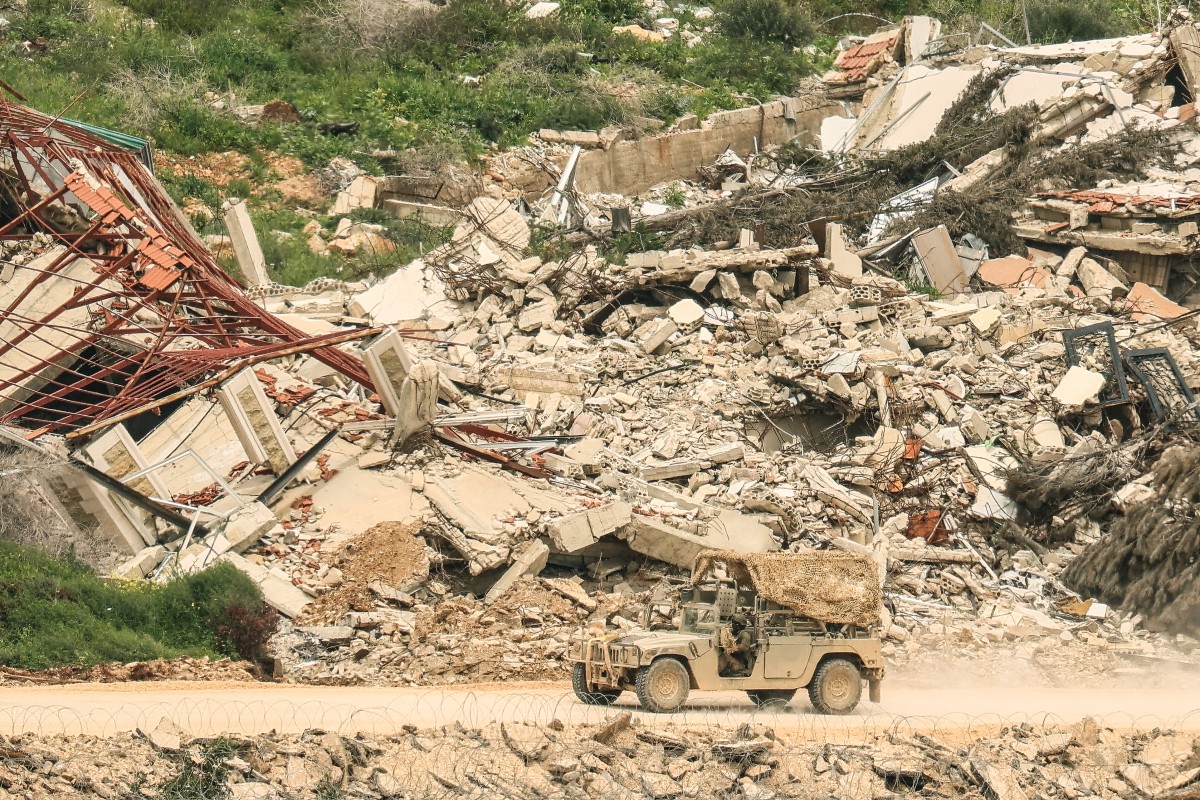
The criticism reflects wider unease over India’s increasingly close alignment with Israel during the war in Gaza, which has drawn global condemnation.
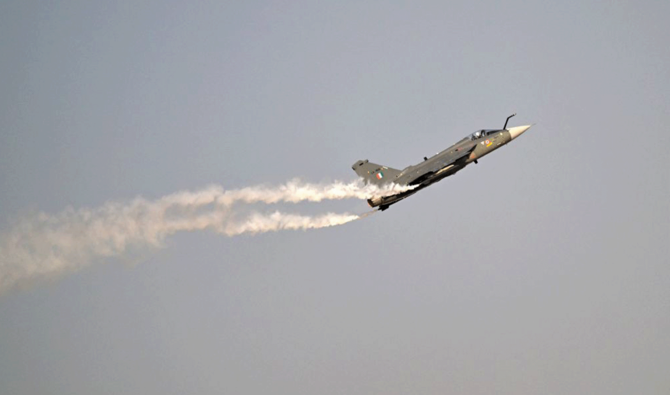
India has also faced scrutiny for its growing military ties with Israel. New Delhi used Israeli military drone technology during its May 2025 clash with Pakistan, while Indian arms firms supplied military equipment to Israel during its 2024 Gaza offensive.
Wider regional stakes
The visit unfolds amid heightened regional tensions involving Iran and the United States, and as India seeks to maintain parallel relationships with Israel, Gulf Arab states, and Tehran.
India, home to around 1.4 billion people, includes an estimated 220 million Muslims. Critics argue that Modi’s embrace of Israel under Netanyahu sends a stark signal about India’s shifting foreign policy priorities.
Full diplomatic relations between India and Israel were established in 1992, but ties accelerated sharply after Modi, a Hindu nationalist leader, took office in 2014. Modi last visited Israel in 2017, with Netanyahu returning the visit in 2018. Both leaders have publicly referred to each other as a “friend.”
As Modi prepares to address Israel’s parliament, observers say the visit will be judged as much by what is left unsaid, particularly on Gaza, as by the promises of deeper strategic cooperation.