ISLAMABAD: Major Indian cities, including Jaipur, Bengaluru, Mumbai, and Delhi, face mounting challenges in urban infrastructure, pollution, and civic management, which highlight worsening liveability and environmental crises, according to multiple media reports.
Across these cities, everyday civic and environmental challenges are visible on the streets, affecting residents’ safety, health, and overall quality of life. Here’s a closer look at the challenges facing each city.
Jaipur
Jaipur continues to grapple with everyday urban problems that directly affect liveability.
The Times of India reported on Dec. 27 that several pedestrian foot overbridges at major junctions, including Collectorate Circle, Narayan Singh Circle, and Tonk Road, are severely neglected, with nonfunctional escalators, foul odors, and closures that force pedestrians to risk crossing busy roads, raising serious safety concerns.
In a separate article on Dec. 26, The Times of India highlighted how an illegal Thursday market in Mahesh Nagar swells the streets with unregulated vendors, choking narrow roads and hindering emergency access near Maya Devi Hospital. Residents complained that repeated pleas to the Jaipur Municipal Corporation have gone unaddressed.
A recent BBC report, “Toxic air, broken roads and unpicked rubbish - why India's big cities are becoming unliveable”, highlights issues such as choked traffic, foul air, and heaps of uncleared rubbish facing many Indian cities, including Jaipur.
In Jaipur, you will find the most sublime examples of centuries-old architecture defaced by tobacco stains and jostling for space with a car mechanic's workshop, the report states.
Bengaluru
Bengaluru's infrastructure and environmental quality remain key points of criticism in the Indian media.
According to Bangalore Mirror on Dec. 29, air quality in the city deteriorated throughout 2025, with average AQI figures climbing sharply compared with previous years and the city seeing its worst pollution in five years, frequently entering unhealthy categories late in the year.
Local media also report daily civic challenges beyond pollution: The Times of India on Dec. 25 noted that Bengaluru's streets remain deadly for pedestrians, with nearly 28% of road fatalities involving pedestrians due to poor infrastructure such as broken footpaths, illegal pavement parking, and inadequate crossings, even as authorities plan repairs.
In Bengaluru -- often called India's Silicon Valley for its many IT companies and start-up headquarters -- there were public outbursts from citizens and billionaire entrepreneurs alike, fed up with its traffic snarls and garbage piles, the BBC report highlights.
Mumbai
In Mumbai, the civic administration's response to environmental degradation is under scrutiny.
The Times of India on Dec. 25 reported a strong rebuke from the Bombay High Court to the Brihanmumbai Municipal Corporation (BMC) for failing to enforce dust mitigation guidelines at construction and concrete sites, ordering daily surprise inspections and broader publicization of air quality measures to curb ongoing pollution problems.
Although tall buildings and rapid development often feature in discussions, media criticism focuses on governance failings, particularly how rapid growth has outpaced effective implementation of environmental controls and infrastructure maintenance, forcing court intervention and highlighting systemic weaknesses.
In Mumbai, the financial capital, citizens staged a rare protest against the worsening pothole problem, as clogged sewage lines dumped garbage onto flooded roads during the extended monsoon, the BBC report mentions.
Delhi
Delhi's air pollution continues to dominate headlines.
Independent reporting by NDTV and associated data on Dec. 29 show the city's AQI frequently falls within “severe” bands.
Moreover, a New Indian Express analysis published on Nov. 29 noted that Delhi had become the most polluted major city in India over the past decade based on longitudinal air quality data, with persistent unhealthy air quality exacerbated by seasonal smog, vehicle emissions, and crop-burning effects across the Indo-Gangetic Plain.
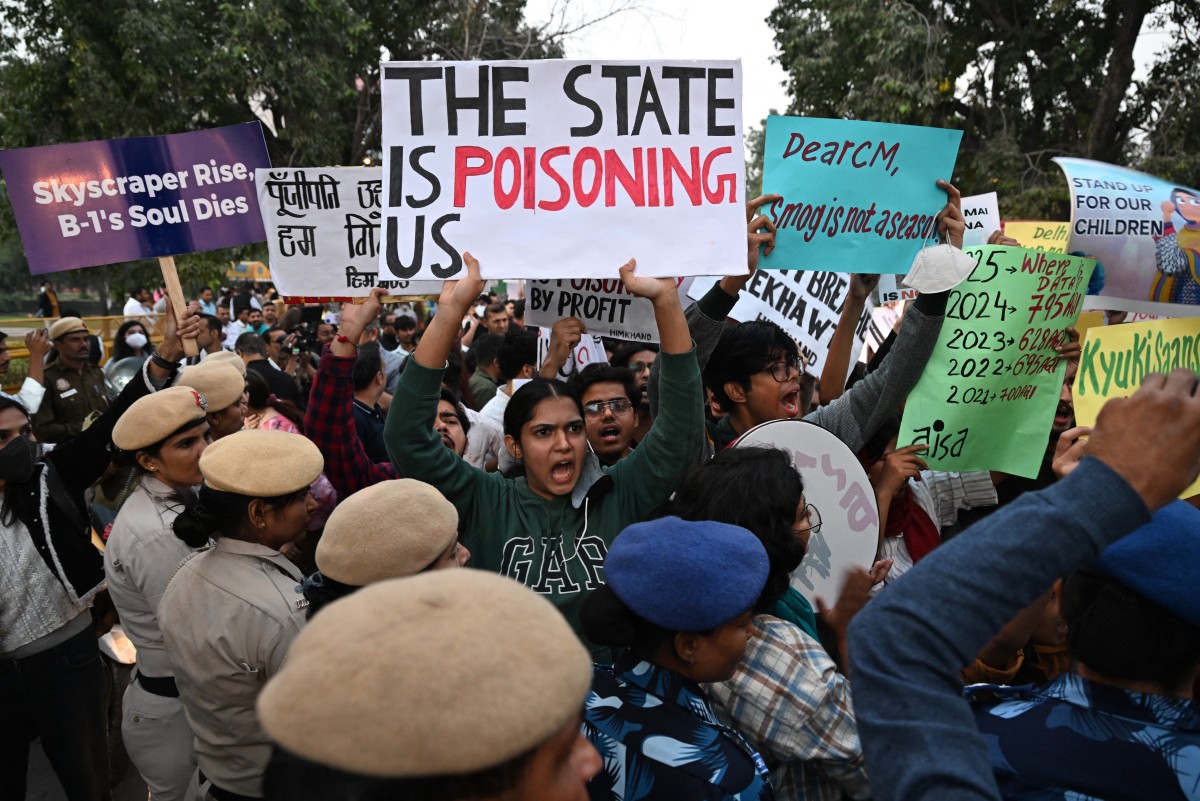
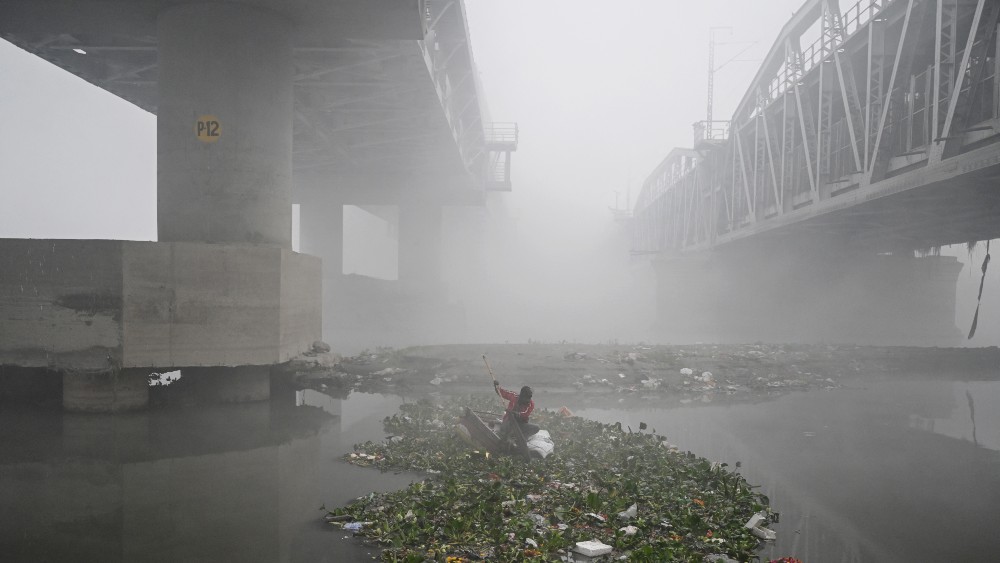
According to the BBC report, in Delhi's annual winter of discontent, toxic smog left children and the elderly gasping, with doctors advising some to leave the city.
Even footballer Lionel Messi's visit this month was overshadowed by fans chanting against the capital's poor air quality, the BBC report said.


.jpg)