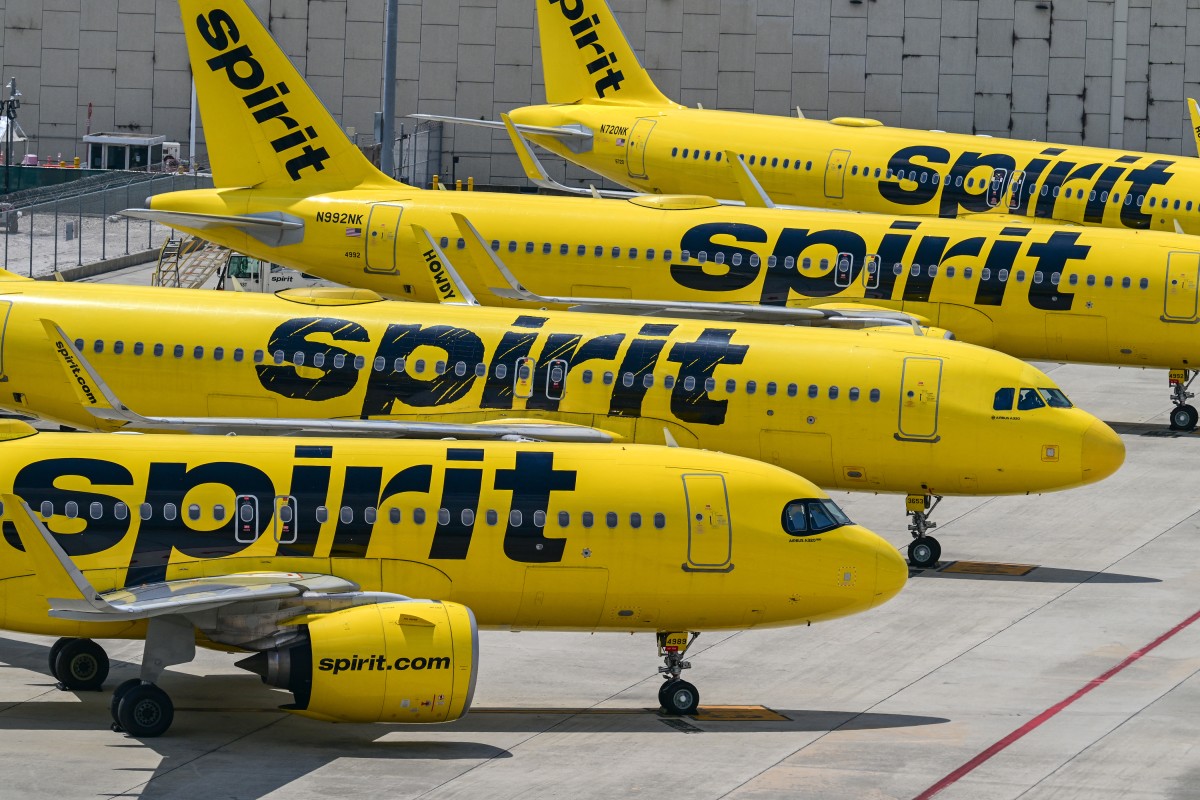
ISLAMABAD: A viral social media campaign to collectively buy bankrupt Spirit Airlines has attracted more than $22.8 million in non-binding pledges from over 36,000 people, as the initiative rapidly gained momentum online and temporarily crashed its own website.
The effort, branded “Spirit 2.0,” was launched by Hunter Peterson after a TikTok video outlining the idea drew millions of views. The concept proposes that ordinary citizens contribute small amounts, roughly the cost of a budget airline ticket, to collectively acquire the defunct carrier.
Peterson’s campaign website, letsbuyspirit.com, recorded a surge in traffic shortly after launch, with search interest also spiking sharply. However, the platform struggled to handle the influx and went offline within hours. A message posted earlier acknowledged the outage, saying the movement had “overwhelmed” its servers and upgrades were underway.
Despite the strong response, Peterson clarified that the campaign has not collected any actual funds. Instead, participants are registering non-binding pledges of intent, with a reported average pledge of over $600. The figures remain self-reported and have not been independently verified.
In follow-up videos, Peterson described the initiative as a community-driven alternative to private equity ownership, adding that any future structure would prioritize public stakeholders over institutional investors. He also appealed for support from developers, legal experts, and aviation professionals to help advance the idea.
The campaign draws inspiration from the ownership model of the Green Bay Packers, which is held by hundreds of thousands of shareholders rather than a single owner.
Spirit Airlines ceased operations after years of financial challenges, including failed merger attempts, layoffs, and a rejected federal bailout. The shutdown affected around 17,000 employees and disrupted travel plans for thousands of passengers.
While the Spirit 2.0 campaign has captured widespread attention, analysts note that significant financial, legal, and regulatory hurdles would need to be overcome before any such acquisition could materialize.