ISLAMABAD: Protests and demonstrations have been lingering on in the Indian state of Bhopal, since a mob of Hindutva extremists beat a Muslim man accused of “love jihad” so mercilessly that he was left half dead.
The concept of "Love Jihad" is an unproven conspiracy theory alleging a systemic plot by Muslim men to convert non-Muslim women through marriage. India's Supreme Court views it as a politically motivated narrative that targets consenting interfaith couples.
Bhopal police said on Monday that men accused of the torture had no formal links to the Hindutva group Bajrang Dal, further fuelling communal tensions and protests that have gripped parts of the city following the assault, despite widespread allegations and social media claims, Indian media reported.
The controversy erupted after videos circulated online allegedly showing a Muslim man being brutally beaten inside a hotel in Bhopal.
According to reports by Maktoob Media and Muslim Mirror, the attackers accused the youth of “love jihad,” a term frequently used by Hindu nationalist groups against Muslim men allegedly involved with Hindu women.
The videos allegedly showed the victim being assaulted, abused and forced to chant religious slogans while surrounded by a mob.
Reports also alleged that blasphemous remarks were made during the attack, deepening outrage within the Muslim community.
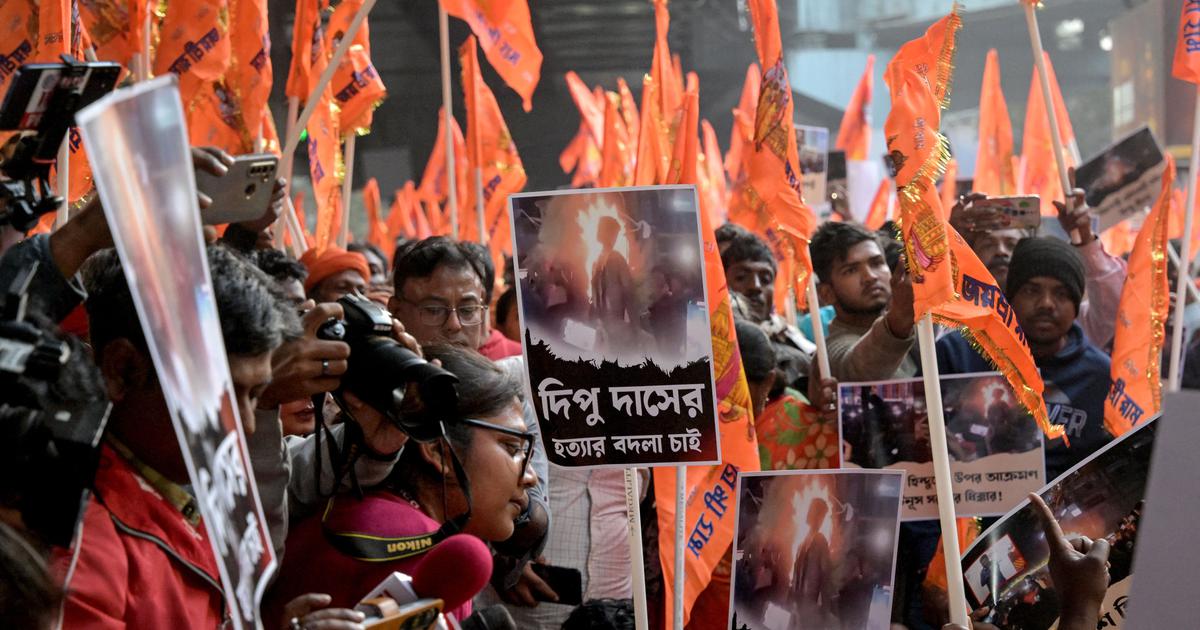
The incident triggered large protests across Bhopal, with demonstrators demanding arrests, action against Hindutva groups and protection from mob violence.
Community members accused police of initially failing to take swift action despite videos of the assault spreading widely online.
According to Muslim Mirror, tensions escalated after police allegedly used force against Muslim protesters, including baton charges and firing in some areas.
Several protesters claimed authorities focused more on controlling demonstrations than addressing the alleged anti-Muslim violence that triggered the unrest.
Police denied allegations of bias and said action had been taken against those involved in violence and disturbance.
On Monday, The Indian Express reported that investigators said the accused individuals were not officially connected to Bajrang Dal or any right-wing organisation.
The clarification drew criticism from activists and sections of the Muslim community, who alleged that extremist groups often operate informally without official membership records.
Rights advocates said the assault reflected a broader pattern of anti-Muslim vigilantism and communal intimidation in parts of India.
They also alleged that accusations linked to “love jihad” are increasingly used to justify harassment, public humiliation and violence against Muslims.
Security remained tight in parts of Bhopal as authorities attempted to prevent further unrest amid continuing anger over the assault and the handling of protests.