Bangladesh’s incoming government signals regional reset, pushes SAARC revival

DHAKA: Bangladesh’s incoming leadership has placed the revival of the South Asian Association for Regional Cooperation (SAARC) at the center of its regional strategy, framing South Asian integration as both an economic necessity and a political priority following the Bangladesh Nationalist Party (BNP)’s sweeping election victory.
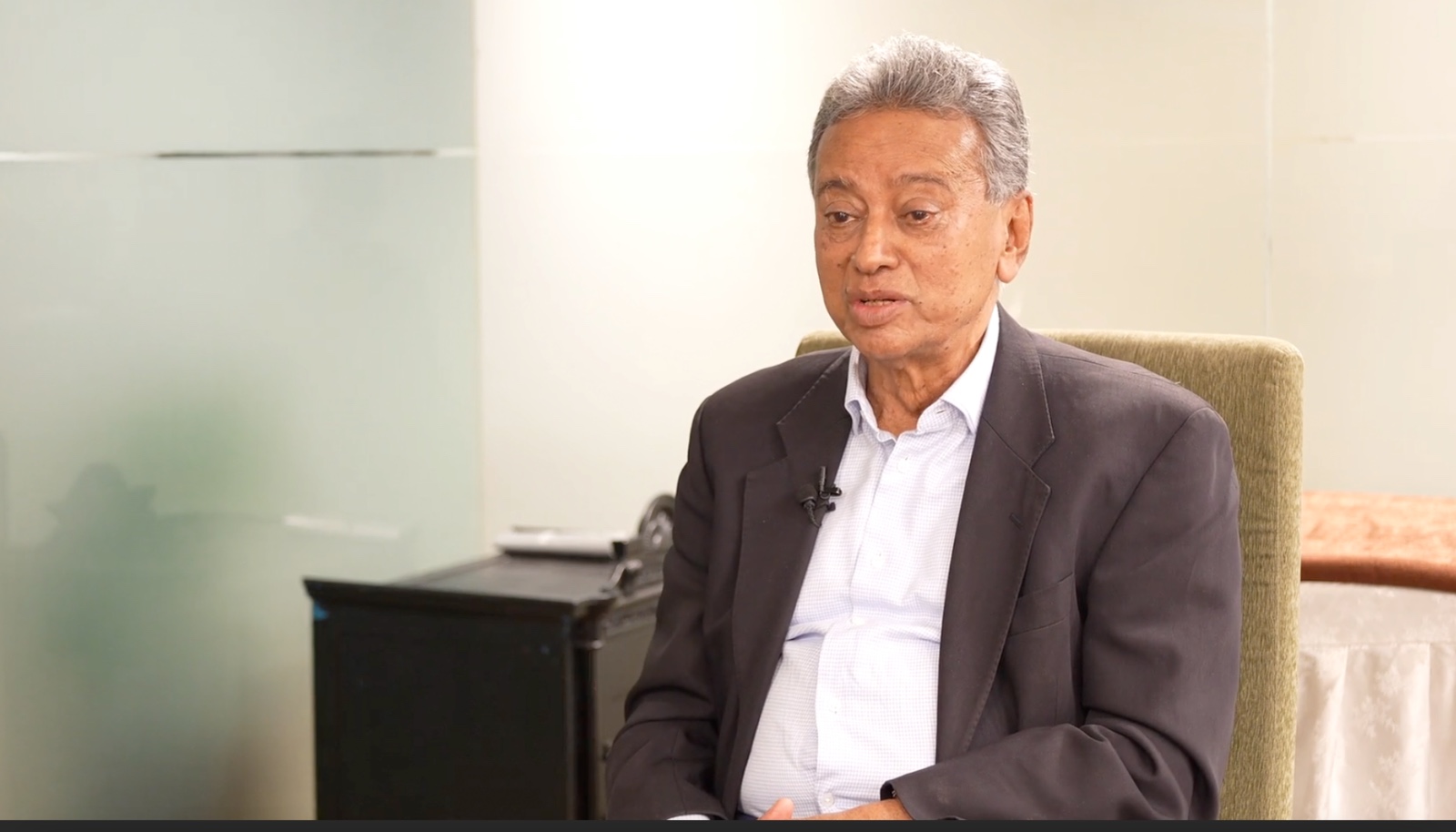
Speaking to Pakistan TV Digital ahead of the swearing-in ceremony, BNP Standing Committee member and former commerce minister Amir Khasru Mahmud Chowdhury said the party sees its sweeping mandate not as a victory, but as a responsibility entrusted by voters after years of disenfranchisement.
“We don’t see this as a victory. We see this as a trust that the people have put on us,” Chowdhury said, adding that restoring democratic order and economic stability would be the government’s immediate focus.
Chowdhury said the BNP believes Bangladesh historically turns to the party during periods of national difficulty, and argued that voters backed the BNP this time to deliver democratic transition, economic recovery and institutional reform.
On foreign policy, he stressed that the BNP would pursue a non-aligned, multilateral approach rooted in national interest, rejecting any country-centric alignment.
“Our foreign policy is never country-centric. It is based on mutual respect, mutual interest, non-interference and strategic autonomy for Bangladesh,” he said.
Within that framework, Chowdhury identified Pakistan as an important regional partner, particularly in the broader push to revive South Asian cooperation.
“South Asian integration is very important. We are the least integrated region in the world, with only five to six percent intra-regional trade,” he said. “We need to integrate for the benefit of all countries in the region.”
He acknowledged that tensions between India and Pakistan have stalled SAARC in the past but insisted Dhaka would work to overcome political roadblocks.
“It has been a problem, we have to admit it. But we have to work around it. Integration is a must for the future of South Asia,” he said, citing trade, textiles, pharmaceuticals, connectivity and supply chains as shared regional priorities.
Chowdhury also downplayed allegations of foreign propaganda and misinformation during the election period, saying external narratives had little bearing on the outcome.
“The people of Bangladesh are the ultimate judges. As long as there is no interference in our domestic affairs, what others say is their own business,” he said.
On bilateral ties, Chowdhury confirmed that Pakistani Prime Minister Shehbaz Sharif had called BNP leader Tarique Rahman to congratulate him, underscoring what he described as improving regional engagement. He said neighbourhood diplomacy would remain central to the BNP’s outlook.
Domestically, Chowdhury outlined plans for wide-ranging economic reform, including deregulation, liberalization and restoring damaged institutions to attract investment and create jobs.
“Investment is the only thing that can drive the economy and create jobs,” he said. “Government’s role is to facilitate, not to control.”
He added that small and medium enterprises, youth employment, women and underprivileged groups would be covered under what he described as a holistic reform agenda, aligned with constitutional commitments to social welfare.
On constitutional reform, Chowdhury said the outcome of the recent national referendum would now be debated in parliament.
“Now that we have an elected parliament, it will be placed there for discussion and decision,” he said.
As Bangladesh prepares for a new government, the BNP is positioning regional integration, economic openness and institutional rebuilding as the pillars of what it calls a post-authoritarian reset, with SAARC’s revival framed as both a strategic goal and a test of South Asia’s political will.
Latest News
Vatican envoy's aid convoy to south Lebanon retreats after taking fire: Security source
7 HOURS AGO
Pakoras, samosas and tea: Food Pakistanis crave when it rains
9 HOURS AGO
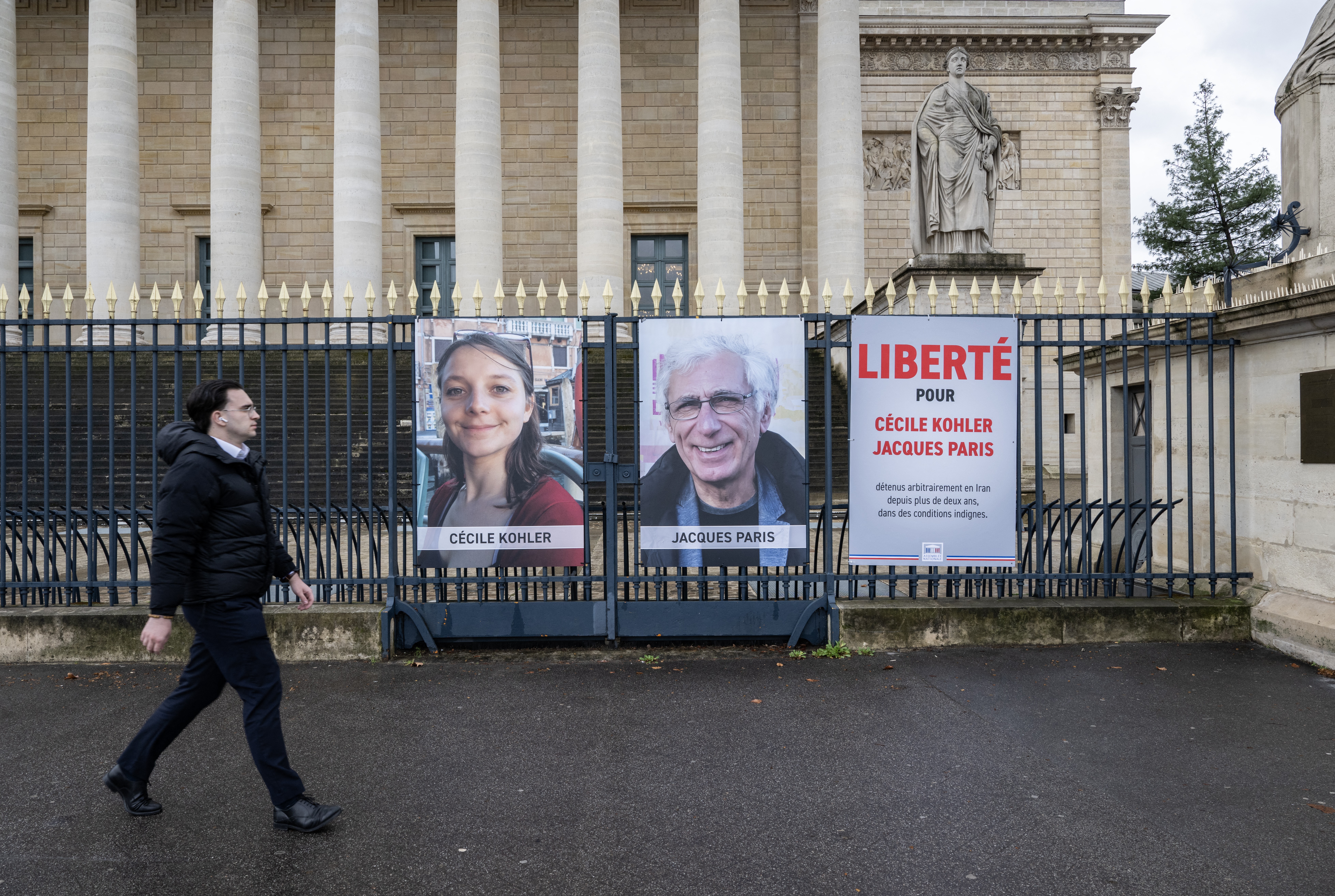
French pair held in Iran 'free and on their way to France': Macron
9 HOURS AGO
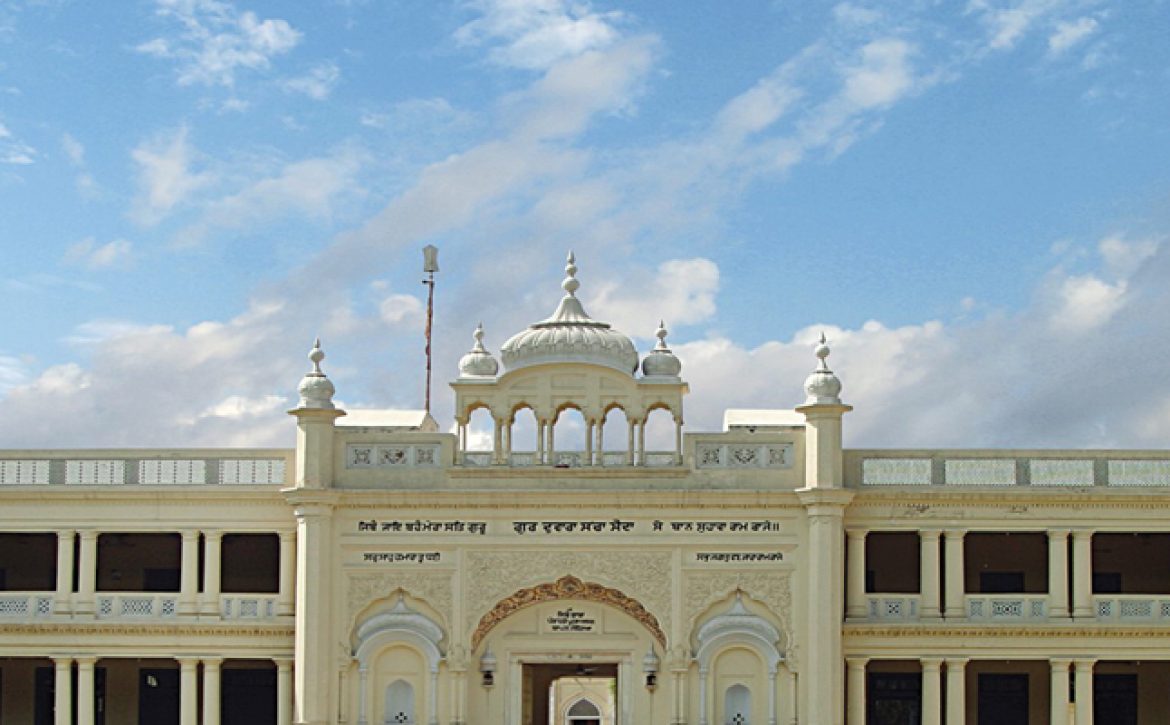
Pakistan issues over 2,800 visas to Indian Sikhs for Baisakhi pilgrimage
10 HOURS AGO
China says it supports Pakistan’s mediation efforts between US, Iran
10 HOURS AGO