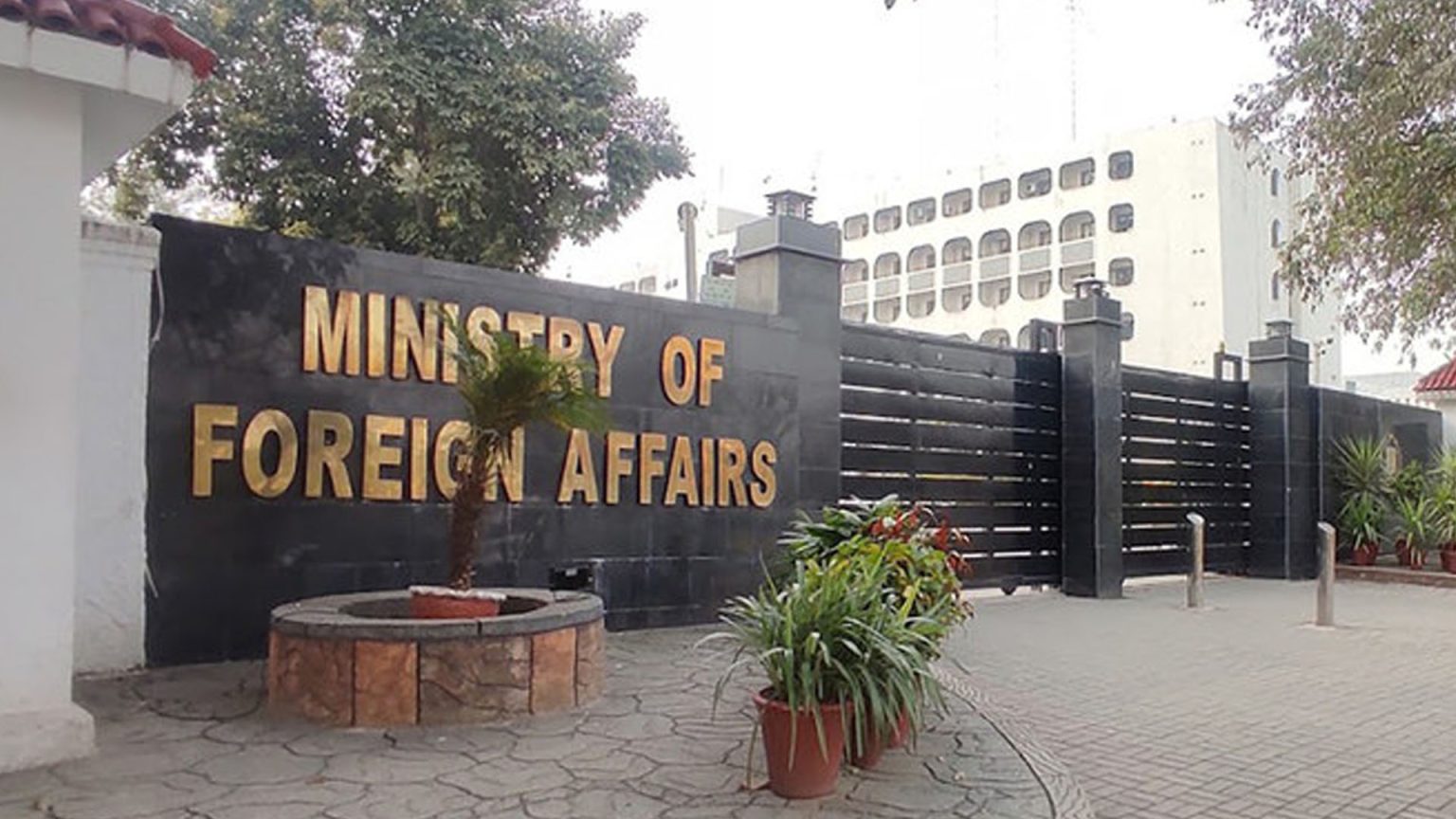
ISLAMABAD: Bangladesh government initiated emergency energy conservation measures and prepared for potential power rationing as the Middle East conflict disrupts global fuel markets, Bangladesh Sangbad Sangstha (BSS) reported.
According to the state-run news agency, Power, Energy and Mineral Resources Minister Iqbal Hassan Mahmood stated that the nation faces a temporary crisis in the energy sector due to ongoing regional unrest.
Following an emergency review meeting, the energy minister requested that citizens use electricity and fuel economically to help manage the supply gap.
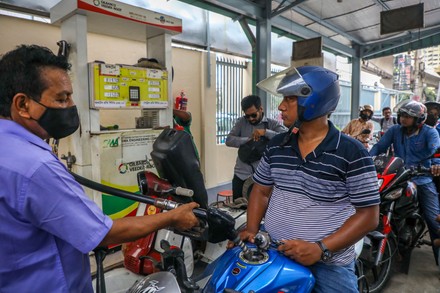
Bangladesh currently holds 201,610 tons of diesel, enough to last 14 days, according to Bangladesh Petroleum Corporation (BPC) Director Dr. AKM Azadur Rahman. BSS reported on March 3 that petrol and octane reserves are sufficient for approximately 17 and 31 days.
The BPC director indicated that the state is monitoring the supply chain to ensure refined oil shipments from alternative markets continue despite the closure of the Strait of Hormuz.
Bangladesh’s Cabinet Division issued an 11-point directive on March 5 ordering all public and autonomous offices to curb consumption. As per the mandate, offices must set air conditioners to 25 degrees Celsius or higher and switch off half of their lights. The directive also specified that decorative lighting should be avoided and the use of private vehicles reduced.
The research director at the Centre for Policy Dialogue, Dr. Khondaker Golam Moazzem, stated that the nation's energy system faces increased pressure, making supply rationing likely in the short term.
Research published in the International Research Journal reported that national energy consumption in Bangladesh grows by roughly 10% annually. This creates a supply-demand disparity that requires immediate management.
State Minister Anindya Islam Amit told BSS that electricity for the Boro irrigation season remains a priority even if rationing occurs in other sectors. Boro is Bangladesh's key dry-season rice crop, demanding heavy irrigation from November to June.
To protect gas for power generation, the Bangladeshi government ordered CNG filling stations to close daily from 3 pm to 9 pm local time through the month of Ramadan, according to a statement by the energy ministry.
A study from the Bangladesh Institute of Development Studies found that rising energy costs are already straining the agri-food system, as production costs for rice increased 3.45% annually in recent years.
Bangladesh’s Prime Minister Tarique Rahman instructed the Energy and Mineral Resources Division to procure necessary liquefied natural gas from alternative markets to stabilize the grid, BSS reported on March 1.


.jpg)