ISLAMABAD: Afghanistan faces a nationwide learning crisis as the professional teaching workforce declines and millions of children stay out of school, according to reports from UNICEF and UNESCO.
Data from late 2025 shows that over 90% of 10-year-olds in the country cannot read or understand a simple text. The figure was reported in the Afghanistan Education Situation Report 2025 published by UNESCO and UNICEF.
More than 2.13 million primary school-aged children are currently out of school, according to UNICEF Afghanistan's late-2025 situational updates. When including secondary-aged youth, the total number of children out of the classroom reaches approximately 9 million.
Workforce de-professionalization and staffing shifts
The teaching workforce has undergone a significant shift since 2021. According to the Special Inspector General for Afghanistan Reconstruction (SIGAR) and Human Rights Watch, the system previously employed 220,000 teachers, including 80,500 women.
But the ban on women teaching boys created a critical shortage. Human Rights Watch reported in December 2023 that women previously made up 90% of some school staff in urban centers like Kabul.
In addition, specialized women educators, who often held degrees in physics, chemistry, and biology, have been frequently replaced. According to the Afghanistan Education Situation Report 2025, these roles are now often filled by male teachers in lower primary grades or by community members with only a high school diploma.
New recruitment mandates now require applicants to pass tests on "Emirate Studies." According to administrative records and a January 2025 report from a local Afghan news outlet, this booklet was written by Qari Abdul Sattar Said and Syed Noor Mohammad Mohib Korabi to promote the interim government's narrative.
Economic instability for educators
Public school teachers earn an average monthly salary of approximately 8,000 AFN ($127), according to Amu TV on March 23, 2025. Educators informed the news outlet that these wages are frequently delayed by two months or more. This leaves many unable to afford basic needs like rent or food.
However, some relief has come through international projects. The World Bank’s Education Emergency Response in Afghanistan (EERA) supported the recruitment of 5,050 teachers for community-based education. The group includes 1,868 women, as per project data.
In a report released on March 15, UNICEF said that it invested in training 54,000 teachers in 2025. The program used multiple phases and structured follow-up to help teachers apply new methods.
Crumbling infrastructure and curriculum changes
School facilities remain in poor condition across the country. According to the Afghanistan Education Situation Report 2025, nearly 50% of schools lack safe buildings or sanitation facilities. Approximately 79% operate without electricity.
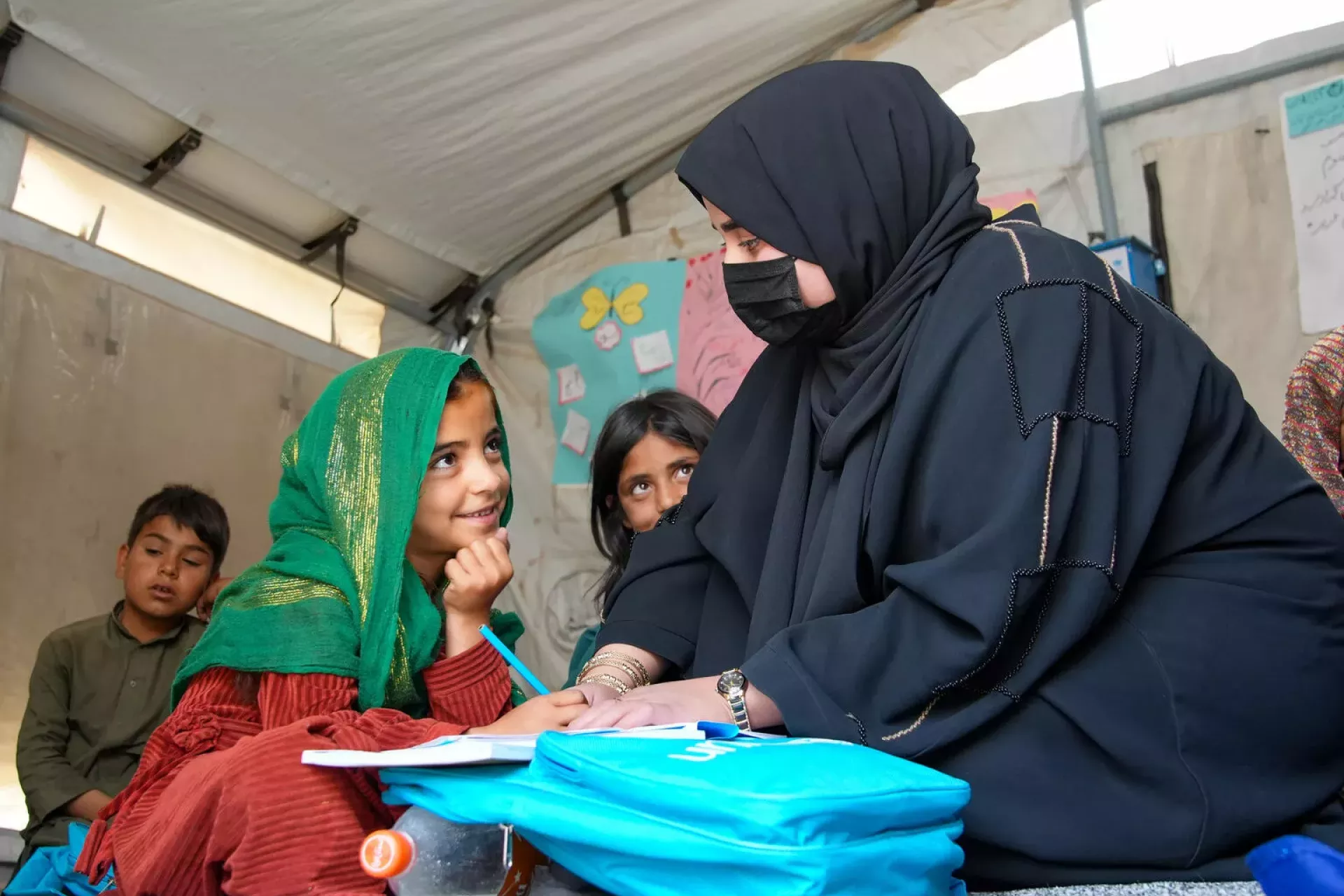
Natural disasters and conflict have forced over 1,000 schools to remain closed, according to UNESCO in 2025. In Kunar province, roughly 25,000 children were still learning in tents six months after a major earthquake on August 31, 2025, according to a report from Save the Children.
In a move that raised eyebrows, the Ministry of Higher Education overhauled the academic curriculum in late August 2025, removing a number of subjects. A directive issued by the deputy minister for academic affairs eliminated 18 subjects, including human rights, gender equality, and political science, according to local news outlets.
Meanwhile, the BBC reported in September 2025 that 679 academic books were banned from universities for being "inconsistent" with "local values."
Systematic exclusion and economic impact
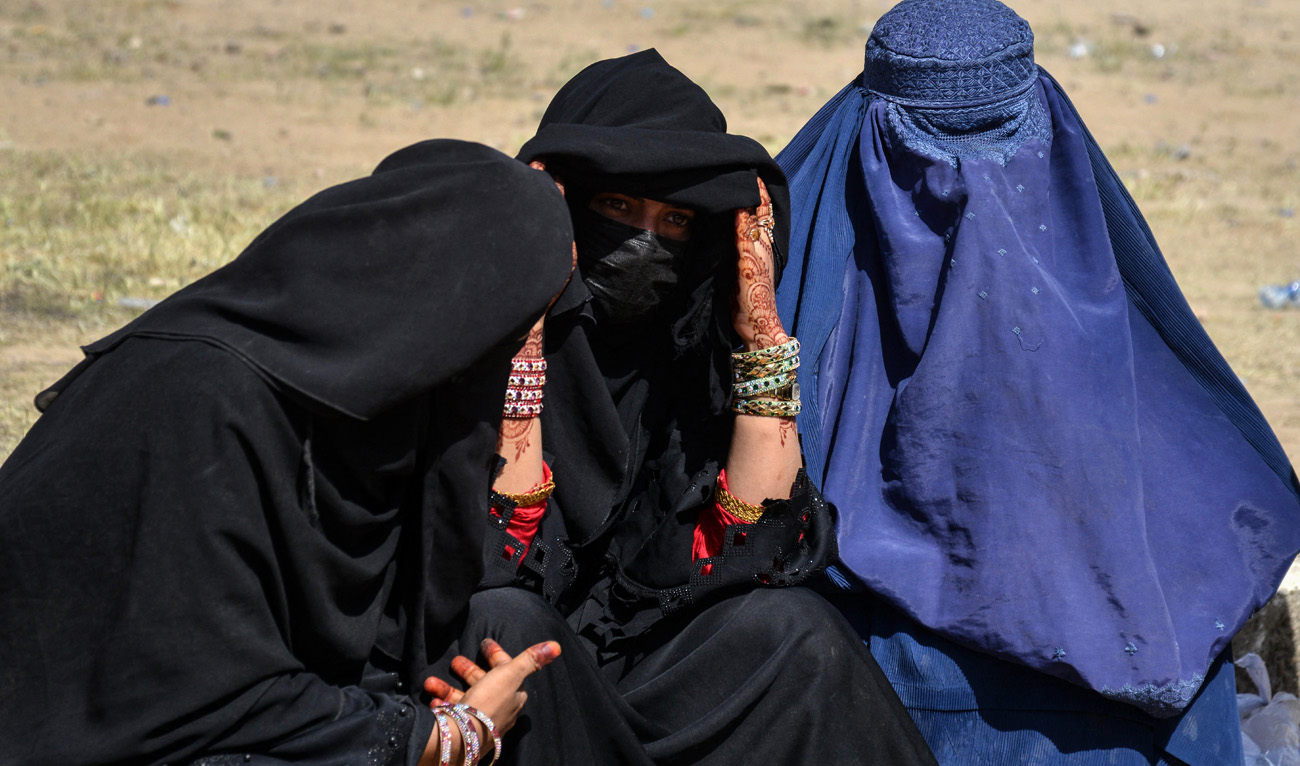
Afghanistan remains the only country in the world to forbid girls and women from attending secondary and higher education. This ban is projected to cost the Afghan economy $9.6 billion by 2066, according to the Afghanistan Education Situation Report 2025.
The restriction has also fueled a sharp rise in "NEET" rates (young women not in education, employment, or training). By 2024 alone, this rate reached 78%, nearly four times that of men, as reported in the 2024 Afghanistan Gender Index published by UN Women.
This growing divide places a heavy burden on the nation's future economic stability and is seen by analysts as one that must be addressed immediately.


.jpg)