ISLAMABAD: The Taliban have introduced a new family law regulation that recognizes child marriage as legally valid under certain circumstances, drawing renewed condemnation from rights advocates who say the measure further erodes the rights of women and girls in Afghanistan, according to an Afghanistan's Amu TV report published on Sunday.
The relevant 31-article decree, titled, “Principles of Separation Between Spouses", was approved by Taliban supreme leader Hibatullah Akhundzada, according NDTV World.
The decree allows relatives other than a child’s father or grandfather to arrange the marriage of a minor boy or girl.
Under Article 5 of the decree, such marriages are considered legally valid if the prospective spouse is deemed socially compatible and the dowry is considered appropriate.
The Taliban have recognized underage marriages in under the article.
Although the law permits a child to seek annulment after reaching puberty, it requires a court order, placing the burden on minors to challenge marriages arranged without their informed consent.
The provision effectively legitimizes child marriage and strips children, particularly girls, of the ability to make decisions about their own lives.
Coercion and fear
Article 7 of the decree states that the "silence of a virgin girl" after reaching puberty may be interpreted as consent to marriage, according to the Afghan media report.
Human rights advocates argue that equating silence with consent ignores the realities of coercion, social pressure and fear, especially in a society where girls and women have little freedom to express opposition.
The Article 9 of the decree, in case of a girl seeking annulment of marriage, places the burden of proof on the girl and gives credence to the husband's oath in cases of dispute.
This, rights advocates argue makes the process of accessing justice difficult for the girl, Hasht-e-Subh Daily reported.
Restrictions on women
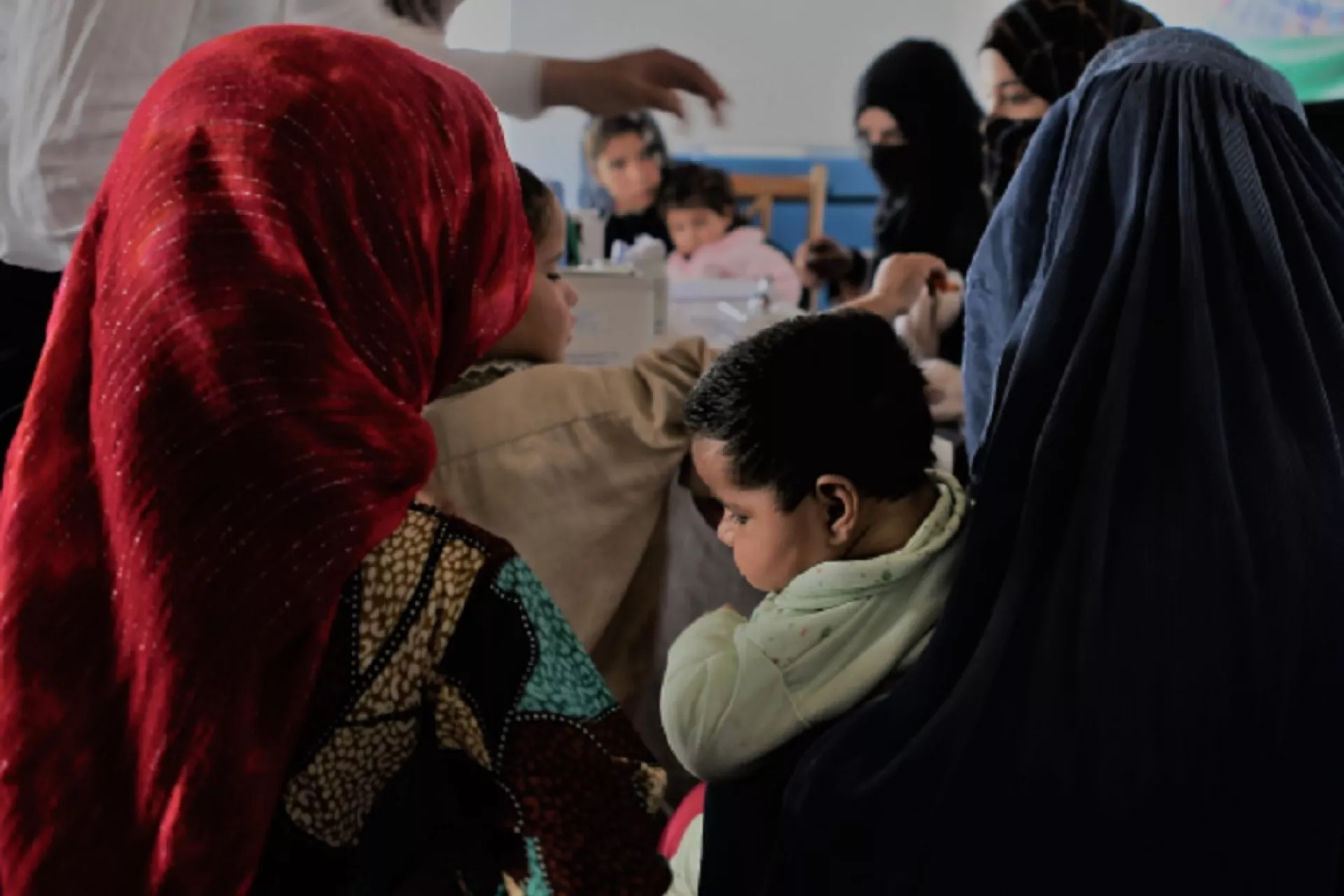
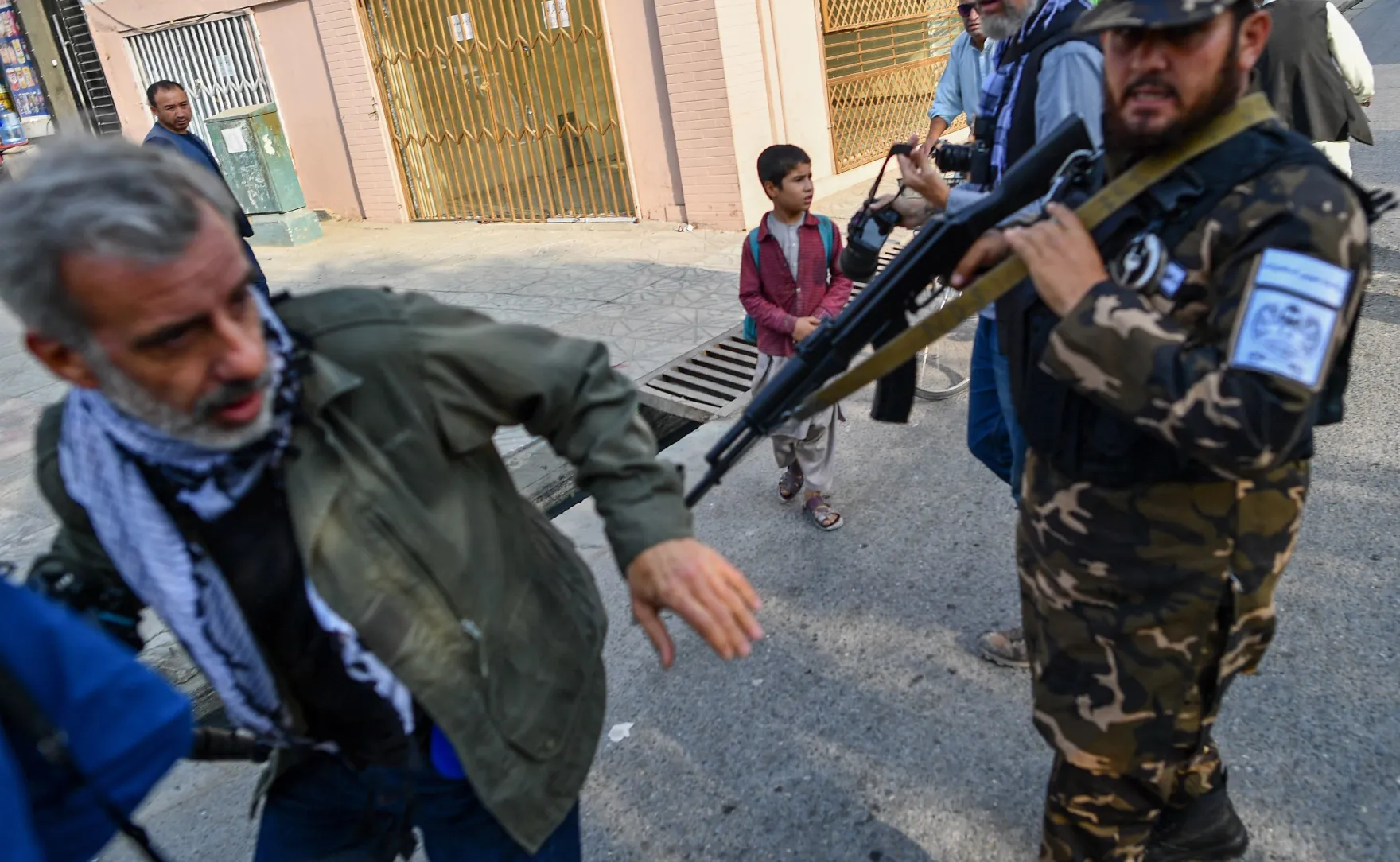
The new regulation comes as the Taliban continue to impose sweeping restrictions on women and girls since reclaiming power in August 2021.
Girls have been barred from attending school beyond sixth grade, women have been excluded from universities, and severe limits have been placed on their employment, movement and participation in public life.
The United Nations has repeatedly condemned the Taliban’s policies, describing them as systematic violations of fundamental rights and warning that Afghanistan is becoming one of the most repressive countries in the world for women and girls.
Rights groups say the latest family law codifies discrimination and institutionalizes practices that endanger children’s physical and mental well-being.
Activists say the regulation reflects the Taliban’s broader effort to entrench a legal system that treats women and girls as subjects of male control rather than equal members of society.