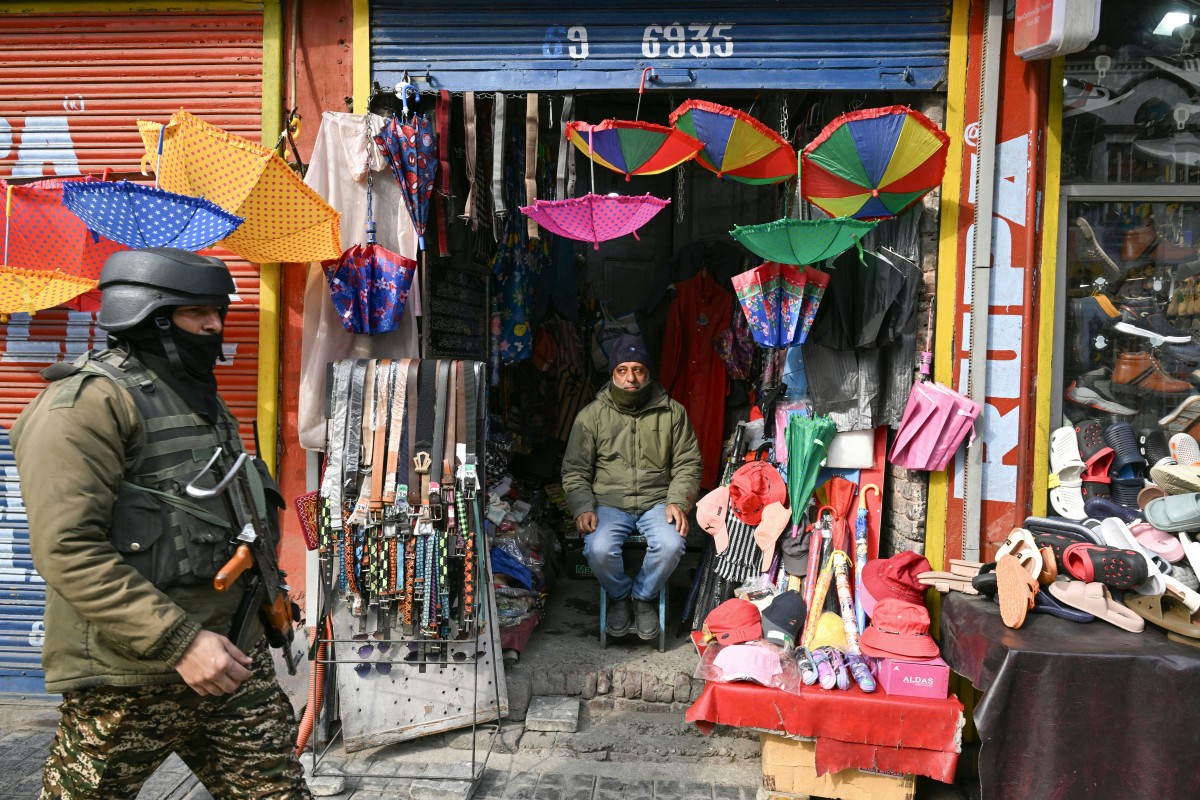
ISLAMABAD: Kashmir’s press corps is warning that routine reporting is being suppressed through a new cycle of police summons and “good behavior” bonds in Srinagar, in what journalists describe as an attempt to control the narrative rather than answer questions.
At least four reporters working for major national publications have been summoned by police in Indian Illegally Occupied Jammu & Kashmir in recent days.
According to online news outlet Scroll, the most detailed account involves senior Indian Express journalist Bashaarat Masood, who was made to report to the Cyber Police Station on four separate days and was asked to sign a bond promising he would not “disturb peace,” according to Scroll.
The action was initiated without a formal police report and invoked Section 126 of India’s Criminal Procedure Code, Bharatiya Nagarik Suraksha Sanhita, a preventive provision used to seek bonds from those deemed “likely” to breach peace.
Masood said that when he refused, an officer warned that he could be sent to Srinagar central jail. The Indian Express reported that he was arbitrarily detained for over 15 hours over four days.
The immediate trigger appears linked to reporting on a controversial administration exercise to profile mosques and imams.
The Hindustan Times reported that the Jammu & Kashmir police issued verbal summons to journalists, including its Srinagar correspondent, over a report on profiling mosques and imams after the Nov. 10 Red Fort blast, and said it sought a written summons stating reasons.
The pressure is drawing political condemnation.
Summoning reporters and asking them to sign bonds is a “new low,” multiple Kashmiri leaders said, according to The Times of India.
Senior Indian journalist Ruhi Tiwari called it "a serious insult to free speech."
The pattern seems to be broader than this week’s cases.
Indian digital media platform Newslaundry reported that six journalists were summoned this month, and said the Kashmir Press Club linked the summons to mosque-profiling coverage, describing it as “intimidation” and alleging journalists were told to stop covering the issue on instructions from higher authorities.


.png)