ISLAMABAD: The International Cricket Council (ICC) has rejected accreditation applications from Bangladeshi journalists seeking to cover the upcoming ICC Men’s T20 World Cup, scheduled to be held in India and Sri Lanka from February 7, triggering criticism and raising concerns over India’s growing influence on global cricket administration.
Bangladeshi media bodies and journalists say the decision is unprecedented and discriminatory, particularly given Bangladesh’s long-standing participation in ICC events and decades of uninterrupted media coverage.
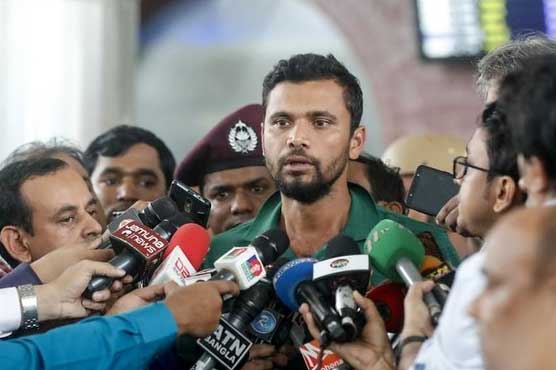
Bangladesh Cricket Board (BCB) Media Committee Chairman Amzad Hossain confirmed that between 130 and 150 Bangladeshi journalists had applied for accreditation, all of whom were rejected.
“This has never happened before,” Hossain said. “Bangladeshi journalists have consistently covered ICC tournaments, regardless of whether the national team was playing or not.”
Senior Bangladeshi sports journalist Mir Farid, who has previously held ICC accreditation, said he received an official email informing him that his application had been rejected.
“I have covered ICC events for years,” Farid said. “This sudden rejection, without explanation, is alarming and difficult to justify.”
Veteran journalist Arifur Rahman Babu, one of four Bangladeshi reporters who covered the 1996 ICC World Cup co-hosted by India, Pakistan and Sri Lanka, said the move defies established ICC norms.
“I don’t find any valid reason why all Bangladeshi journalists were rejected,” Babu said. “Even if a team is not participating, journalists from an ICC member or associate nation are still eligible for accreditation.”
Babu, who also serves as president of the Bangladesh Sports Journalists Association (BSJA), said the decision appears politically motivated rather than procedural.
“This reflects poorly on the ICC’s claims of neutrality,” he said. “India’s outsized control over cricket is increasingly visible, and this decision fits that troubling pattern.”
He added that the BSJA would consult with the Bangladesh Sports Press Association (BSPA) and the Bangladesh Sports Journalists Community (BSJC) to determine possible collective action.
The accreditation rejection comes amid strained relations between Bangladesh and India. Earlier, Bangladesh refused to tour India citing security concerns linked to deteriorating political ties. The ICC subsequently replaced Bangladesh with Scotland in the tournament and rejected Bangladesh’s request to shift their matches to co-host Sri Lanka.
The Bangladesh Cricket Board’s decision not to travel followed the release of national pacer Mustafizur Rahman from his Indian Premier League franchise, Kolkata Knight Riders, a move widely seen in Dhaka as politically driven and influenced by India’s cricket authorities.
The ICC media department was contacted for comment on the accreditation issue but had not responded at the time of filing.
Critics say the episode underscores how India’s dominance within the ICC is narrowing space for dissenting voices, including independent journalists, and undermining the spirit of inclusivity the global game claims to uphold.