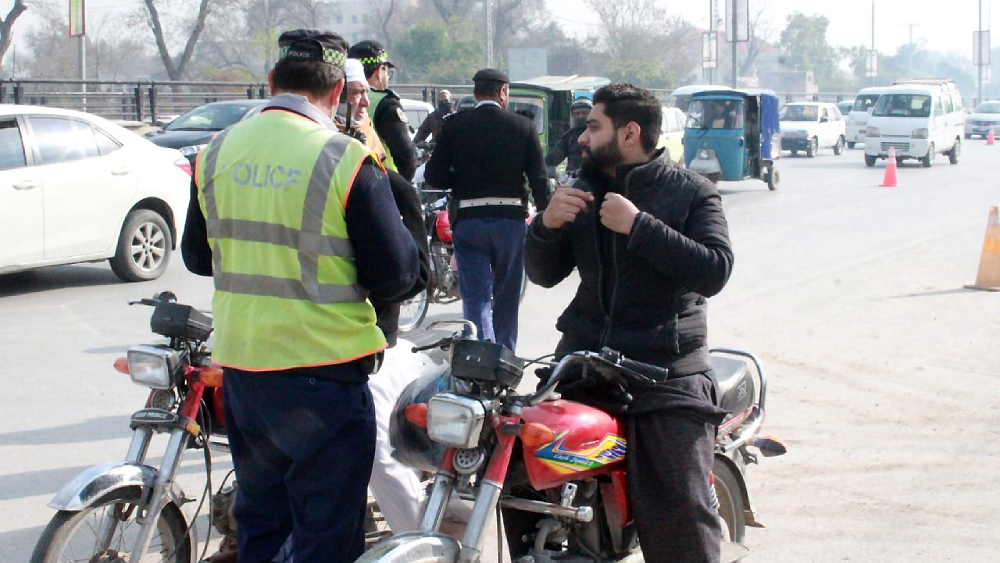
PESHAWAR: Peshawar is preparing to launch the Electronic Traffic Challan (ticketing) system along with the long-awaited Safe City Project, which will officially go live in March. The project will implement a modern e-ticketing system to automate law enforcement and reduce human interference.
Speaking to Pakistan TV Digital about the upcoming transition, Peshawar City Traffic Officer Zahid Ullah confirmed that infrastructure is being finalized to monitor the city’s roads. The backbone of the initiative is a network of high-definition cameras that can identify vehicles using government-issued, machine-readable license plates.
The move is being praised as a major win for transparency. Unlike manual policing, the digital system is built to be immune to the "VIP culture" and petty corruption that often hinder manual enforcement. Since the software automatically detects violations and issues fines, it cannot be coerced, pressured, or bribed.
"It removes the human element," said Muhammad Luqman, a local driver who spoke to Pakistan TV Digital. "Everyone will be treated the same way. This will go a long way in stopping people from driving the wrong way or trying to talk their way out of a ticket."
The scope of the e-challan system goes beyond penalizing offenders. The system is designed to serve as the brain for the city's infrastructure. For example, if cameras detect heavy congestion on a specific road, the system can automatically adjust traffic light intervals to ease the traffic or notify relevant authorities.
Special focus is being placed on motorcyclists, with AI-driven cameras set to monitor and fine those who fail to wear safety helmets. By strictly enforcing lane discipline and "wrong-way" violations, officials expect a significant drop in urban road accidents.
The government has intensified its requirement that all car owners use official, machine-readable plates. Without these plates, integration with the Safe City database remains incomplete, and vehicles could be flagged for non-compliance even before a traffic violation happens.
According to Zahid Ullah, the relevant departments are currently deliberating to finalize the exact legal scope and the "extent of implementation" for the e-challan system.
As the March launch date approaches and a network of cameras and sensors is being installed throughout the provincial capital, it seems that the era of manual traffic stops is coming to an end, and the era of digital accountability is about to begin.