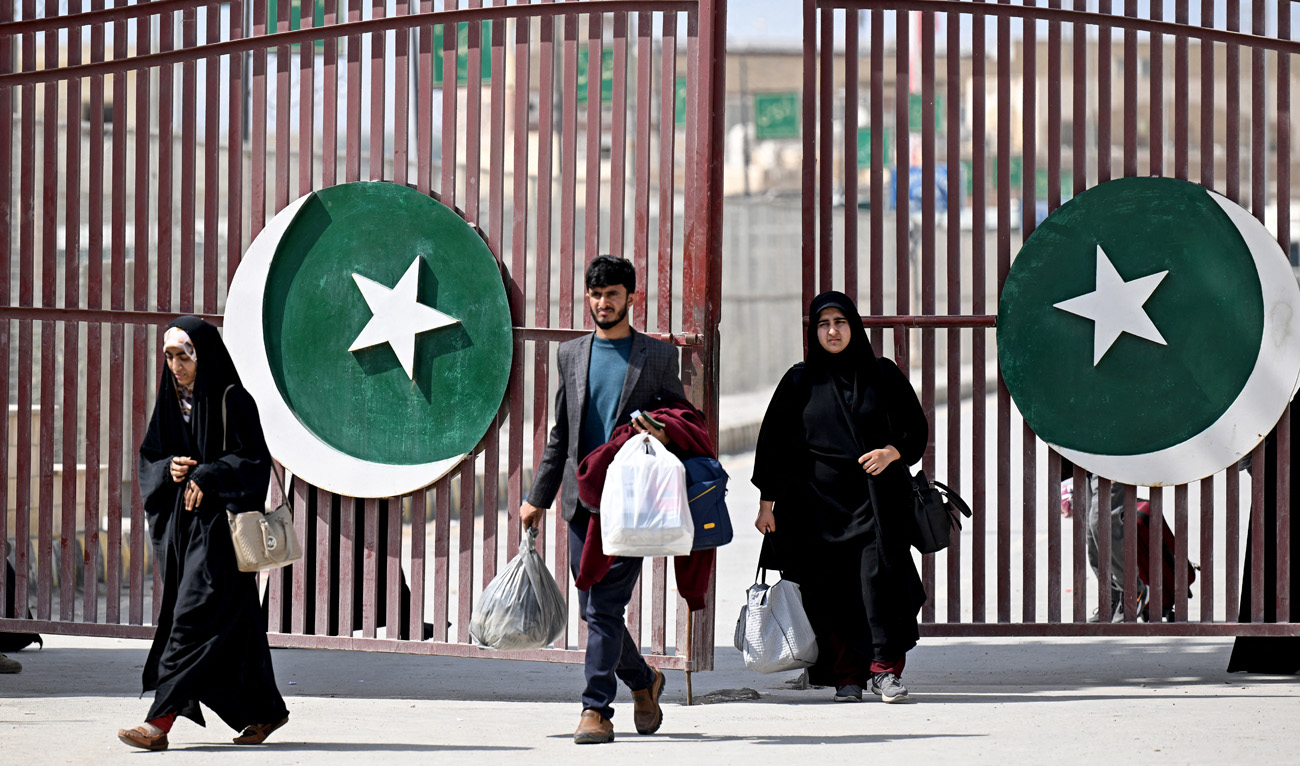
ISLAMABAD: Pakistani families, traders, and workers are returning home through the remote Taftan border crossing with Iran as the widening conflict in the Middle East forces civilians to flee the region and disrupts cross-border trade.
Small groups of travelers carrying suitcases and bags have been arriving at the dusty crossing in Pakistan’s southwestern Balochistan province after making long journeys from Iranian cities affected by the fallout of the ongoing war.
The conflict intensified after coordinated US–Israeli strikes on Iran triggered retaliatory missile and drone attacks across the Gulf, rattling regional security and prompting several countries to prepare evacuation plans for their citizens.
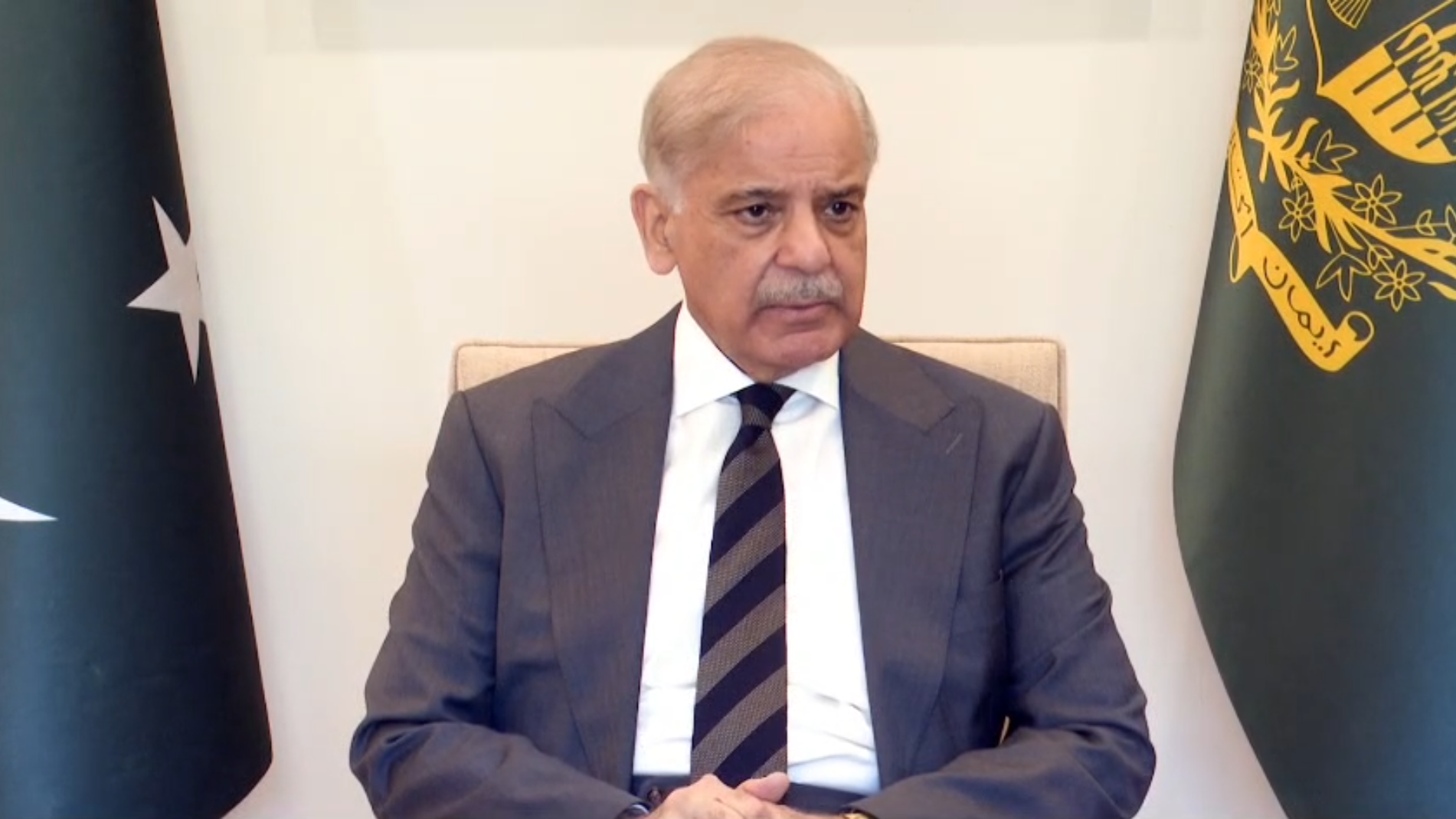
Islamabad has been closely monitoring the rapidly evolving situation, with Pakistan Prime Minister Shehbaz Sharif ordering contingency measures to bring stranded Pakistanis home and maintain diplomatic outreach aimed at de-escalation.
Officials said authorities are facilitating the safe return of citizens through the Taftan crossing, Pakistan’s main land route with Iran, while coordinating with regional partners as tensions continue to rise.
Families arriving at the border terminal were seen waiting for onward transport deeper into Pakistan, some loading their belongings onto pickup trucks and other vehicles heading toward cities across Balochistan and beyond.
While the flow of returnees remains steady, residents in Taftan say the war across the border has already begun affecting daily life in the small desert town that depends heavily on trade with Iran.
Local resident Kamran Khan said the closure of cross-border trade routes had pushed up food prices sharply in recent days.
“In Taftan, food items come from Iran,” he said. “Before the border closure, one kilogram of vegetables cost Rs130 to Rs150 ($0.46 to $0.53), but now it costs Rs250 to Rs300 ($0.89 to $1.07) per kilogram.”
He added that other essential items had also surged in price as supply chains were disrupted.
“Ghee also came from Iran; one kilogram used to cost Rs130 ($0.46) and now it costs Rs300 ($1.07),” Khan said. “A bottle of clean drinking water used to cost Rs80 ($0.29), but now it costs Rs200 ($0.71). The border closure is causing us many problems.”
Local traders say the economic fallout is spreading quickly through the border town’s small businesses, which rely on regular imports and exports with neighboring Iran.
“The closure of the border to trade has severely affected our import-export business, causing us losses worth millions of rupees,” Khan said. “In Taftan there is a shortage of food and grocery items.”
He added that the disruption had also affected energy supplies moving through the crossing.
“LPG also comes to Pakistan through the Taftan route, but the closure has caused a shortage of LPG gas as well,” he said.
Fruit and vegetable vendor Kamal Khan said the conflict had doubled some prices almost overnight.
“Due to the war in Iran, the border is closed to trade,” he said. “Vegetables that used to cost us Rs200 per kilogram are now costing up to Rs400.”
“This has caused a significant increase in vegetable prices,” he added. “There are people here who, unfortunately, cannot afford to buy them.”
The situation in Taftan reflects the broader regional impact of the escalating conflict, which has triggered missile exchanges, air defense alerts and attacks on military and energy infrastructure across the Middle East.
Islamabad has repeatedly called for restraint and diplomacy, warning that further escalation could destabilize the wider region and threaten millions of civilians, including Pakistani workers living abroad.
Pakistani officials say diplomatic engagement with regional governments is continuing as authorities work to ensure the safe return of citizens while managing the economic and humanitarian consequences of the unfolding crisis.
With inputs from AFP



.jpg)
.jpg)