ISLAMABAD: Nepal's Prime Minister Khadga Prasad Sharma Oli resigned after anti-corruption protests in the capital led to deadly clashes.
A statement signed by the prime minister states that he resigned to pave the way for the constitutional solution of the current crisis, BBC reported. Earlier, three of his ministers quit over the angry protests.
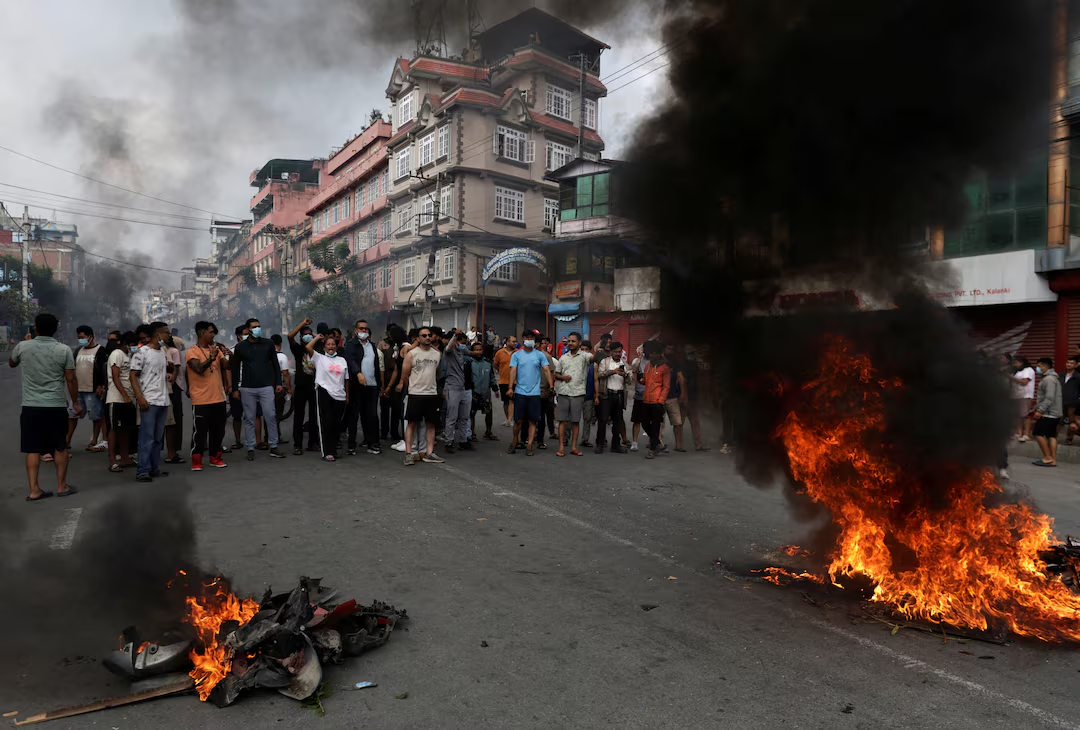
Protesters set fire to houses
Enraged protesters in Kathmandu had set fire to houses belonging to the prime minister and president, forcing the government to retreat from its ban on major social media platforms.
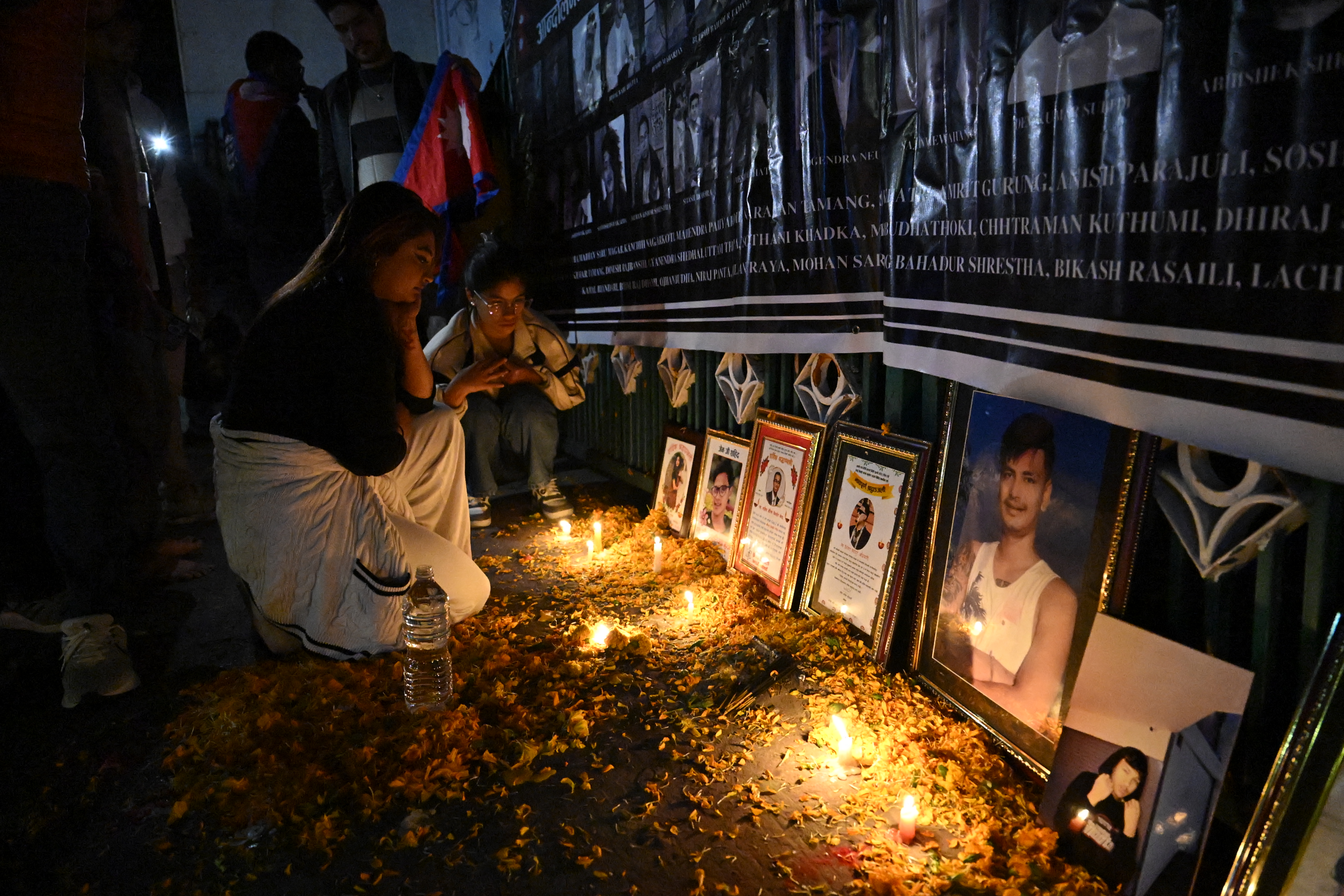
Protests in the South Asian country, which began against the social media ban, turned into protests against official corruption, leaving 19 dead, according to a New York Times report.
As protests spread across the capital, a curfew was declared.
Shutdown withdrawn
Cabinet spokesman and Minister of Communication and Information Technology Prithvi Subba Gurung said early on Tuesday that the government had rolled back the social media ban imposed last week.
“We have withdrawn the shutdown of social media. They are working now,” Gurung told the Reuters news agency.
The ban had blocked 26 media sites, including WhatsApp, Facebook, Instagram, LinkedIn, and YouTube, in a bid by the government to tackle misinformation, fraud, and hate speech, according to Al Jazeera.
'Gen Z protests'
Dubbed the “Gen Z” protests, due to the predominant participation of young adults and students, thousands gathered in Kathmandu and major cities on Monday to protest the social media ban and systemic issues such as corruption and the country’s economic struggles. Events turned deadly in Kathmandu when police reportedly fired live rounds and deployed tear gas, rubber bullets, water cannon, and batons at protesters attempting to storm the capital’s parliament complex.
Seventeen protesters were killed in Kathmandu, and two others were killed in a protest in the city of Itahari.


.png)