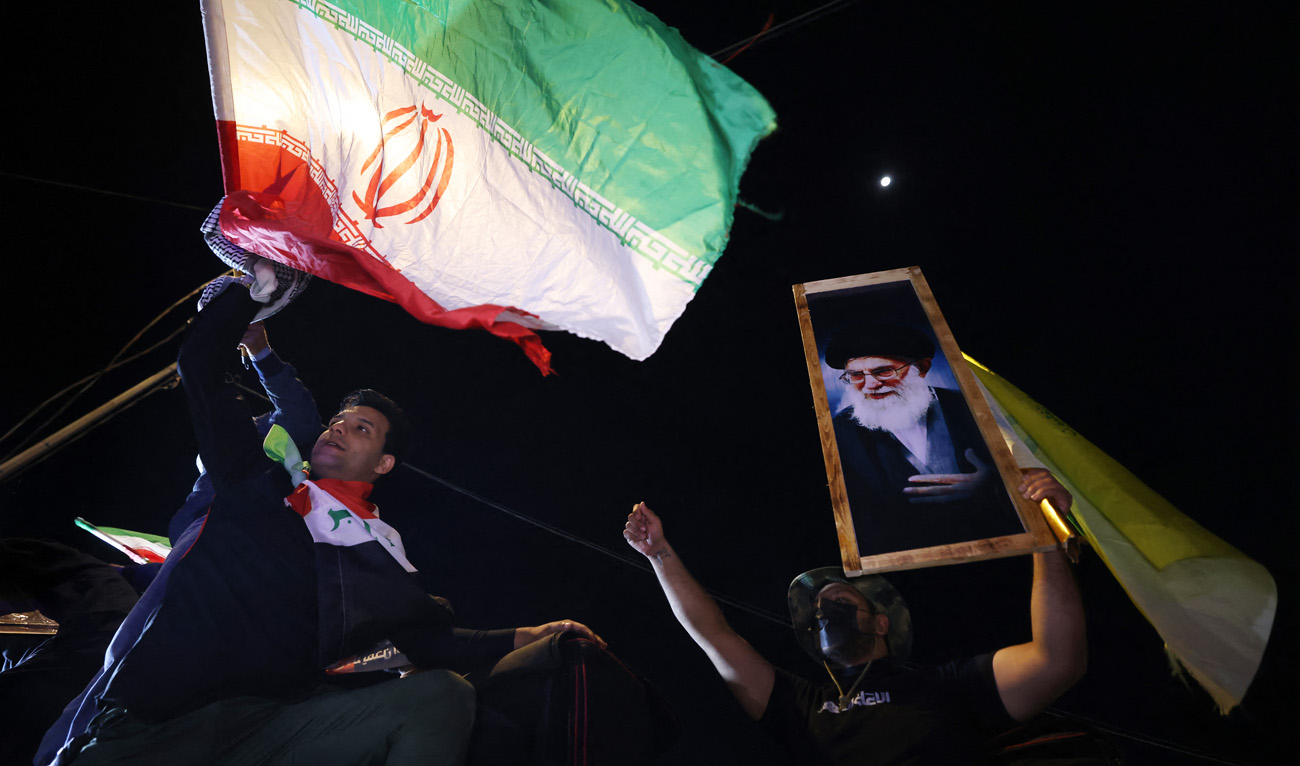
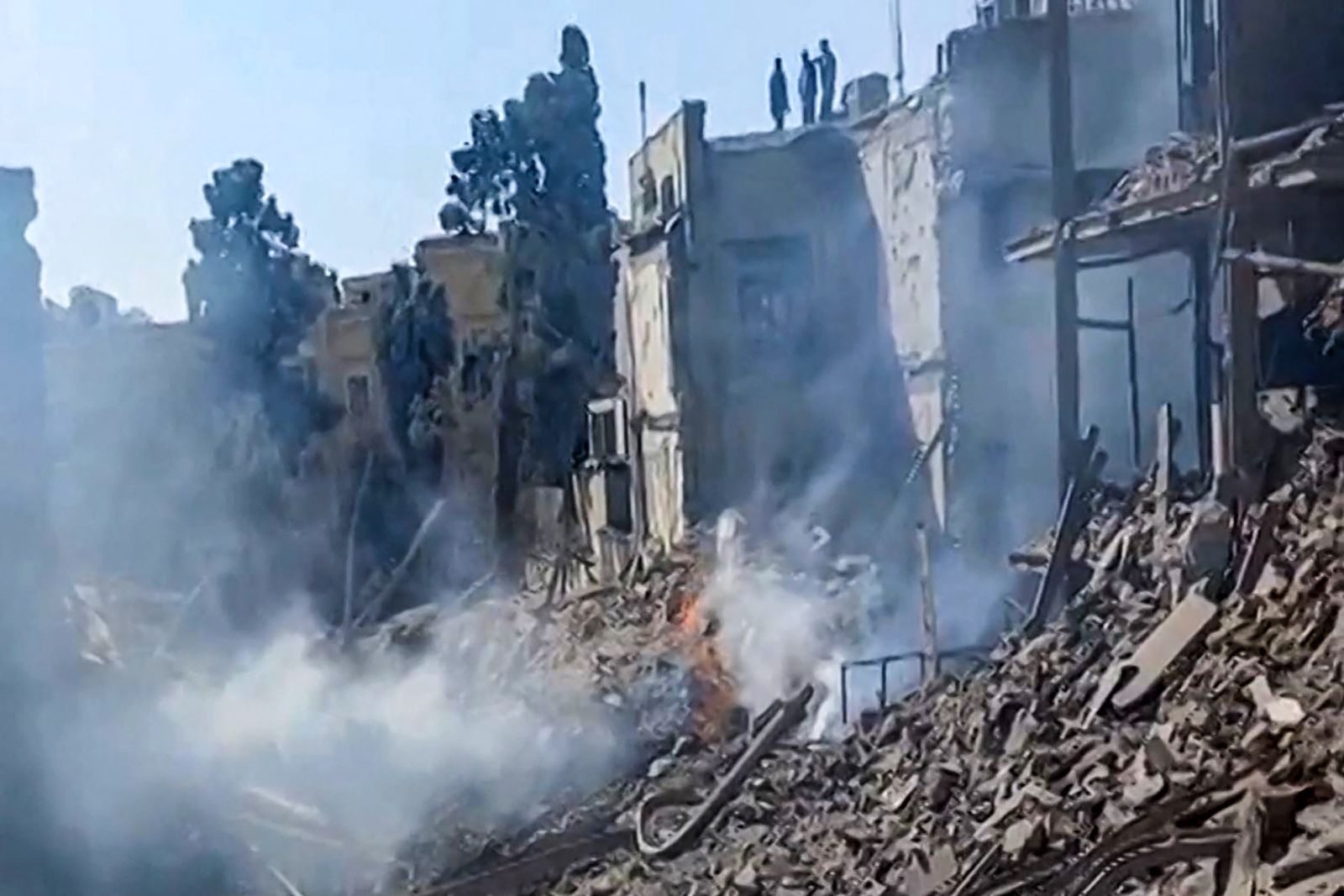
ISLAMABAD: Ayatollah Ali Khamenei, who dominated Iran’s political system for more than four decades and stood at the center of the Islamic Republic’s military, ideological and security architecture, has died in US-Israeli strikes, according to the Iranian state media.
Khamenei, a cleric elevated to the post of supreme leader in 1989, emerged as one of the most powerful figures in the Middle East, shaping Iran’s domestic governance and regional posture through a tightly centralized system rooted in clerical authority and revolutionary ideology.
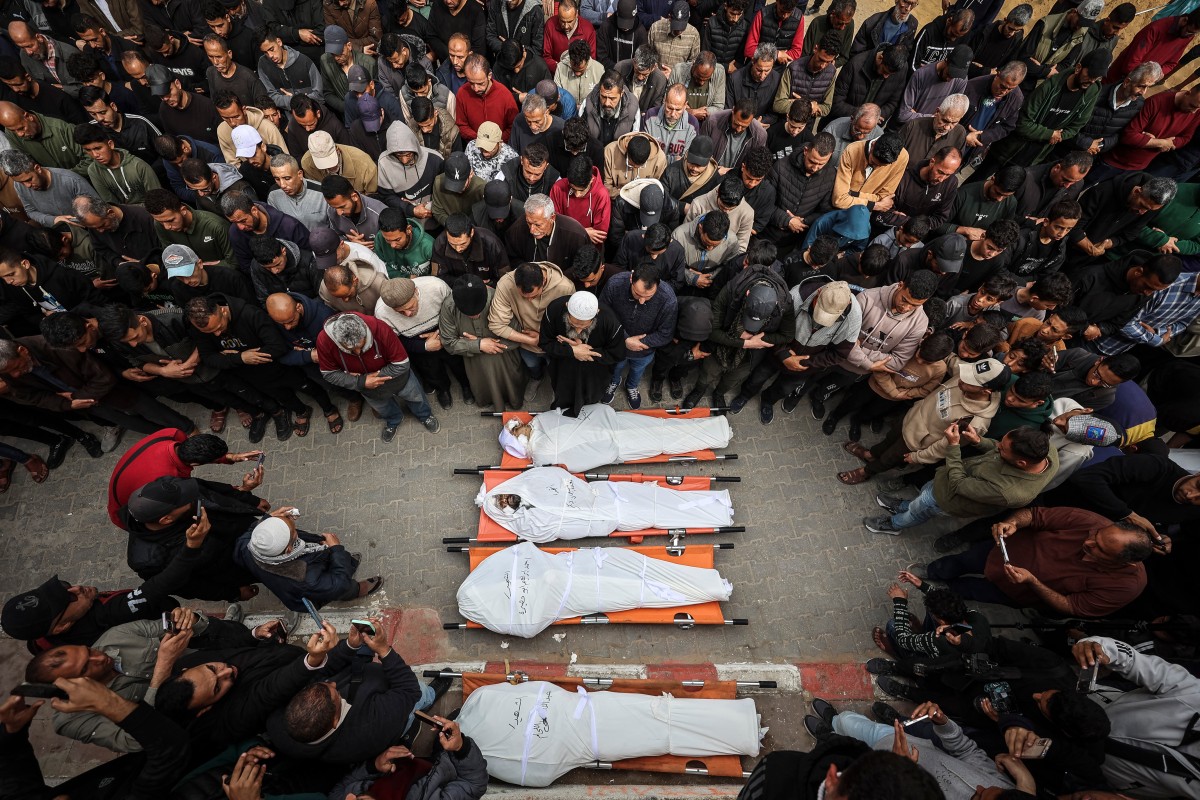
Iran’s official Fars and Tasnim news agencies reported that the country has declared 40 days of public mourning following the death of Khamenei.
Born in Mashhad, Khamenei rose to prominence during the 1979 Islamic Revolution as a close associate of revolutionary leader Ruhollah Khomeini and a member of the Revolutionary Council. He served two terms as president from 1981 to 1989 before being elevated to supreme leader despite lacking the traditional clerical credentials usually associated with the role.
Central to his legacy was the expansion of the Islamic Revolutionary Guard Corps, which he transformed into a dominant military, political and economic force. Under his leadership, the IRGC became a key instrument of internal control and Iran’s primary vehicle for projecting power across the Middle East.
In late 2025, Iran faced widespread protests fueled by economic hardship and political frustration, with demonstrators openly challenging Khamenei’s authority. Some chants called for the restoration of the monarchy, invoking the overthrow of Shah Mohammad Reza Pahlavi in 1979. A historical echo that underscored the depth of public discontent.
Within Iran’s Shiʿite establishment, Khamenei was commonly addressed as ayatollah, an honorific shared by many senior clerics, though his formal constitutional title was rahbar, “supreme leader.” From that position, he exercised final say over the military, judiciary, state media and key economic bodies.
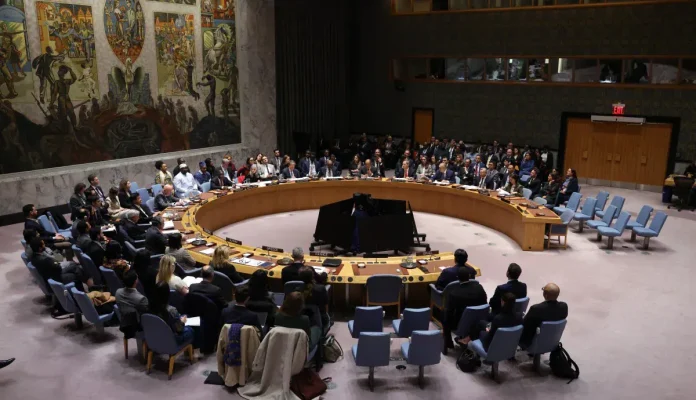
Details surrounding funeral arrangements and succession procedures are expected to be announced by Iranian authorities. The Assembly of Experts, constitutionally tasked with appointing a new supreme leader, is likely to convene in the coming days.