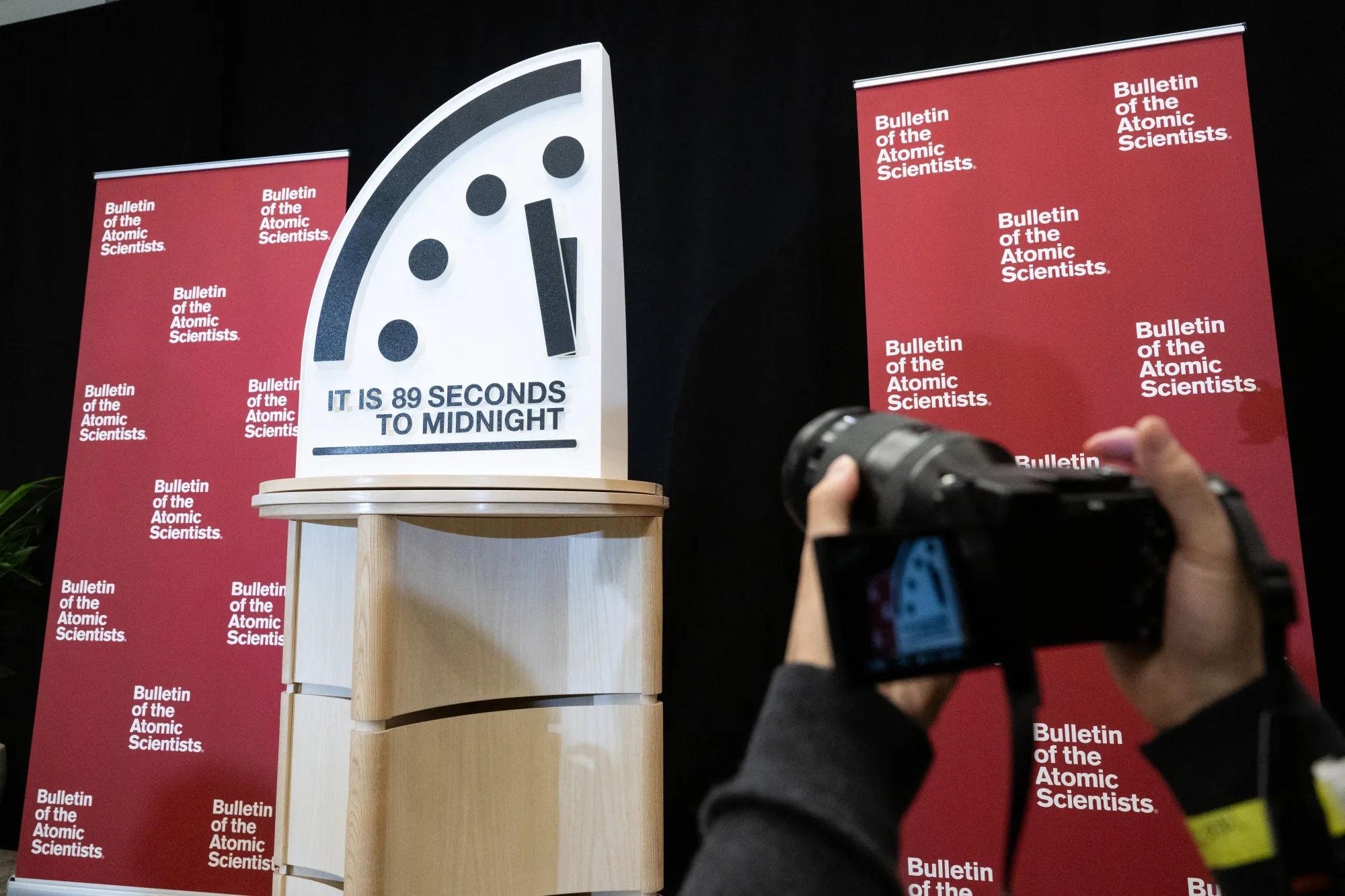
ISLAMABAD: The Bulletin of the Atomic Scientists on Tuesday said that the Doomsday Clock was now 85 seconds to midnight, stating that the world was perilously close to global disaster and that any delay in reversing course increased the probability of catastrophe.
The announcement streamed on the Bulletin's YouTube channel.
The symbolic timepiece stood at 89 seconds to midnight, the most precarious moment in its 78-year history. The Science and Security Board moved it one second forward in 2025.
What the clock represents
The Doomsday Clock serves as a metaphor for humanity's proximity to self-destruction. Midnight represents total annihilation. The closer the time to midnight, the greater the assessed threat from man-made dangers.
The clock tracks three primary threats: nuclear weapons, climate change, and disruptive technologies including artificial intelligence.
Who decides?
The Bulletin's Science and Security Board sets the time annually. The board comprises globally recognized experts in nuclear risk, climate science, and emerging technologies. They consult with the Board of Sponsors, which includes eight Nobel laureates.
Manhattan Project scientists, including Albert Einstein and J Robert Oppenheimer, created the Bulletin in 1947. They built the atomic bomb but feared its implications.
2026 speakers
Nobel Peace Prize laureate Maria Ressa will address the announcement. Ressa cofounded Rappler and teaches at Columbia University's School of International and Public Affairs.
Alexandra Bell, president and CEO of the Bulletin, will speak alongside Science and Security Board chair Daniel Holz, a University of Chicago physics professor.
Other speakers include Steve Fetter of the University of Maryland, climate scientist Inez Fung from UC Berkeley, biodefense expert Asha M. George from the Atlantic Council, and Jon B. Wolfsthal of the Federation of American Scientists.
Threat assessment factors
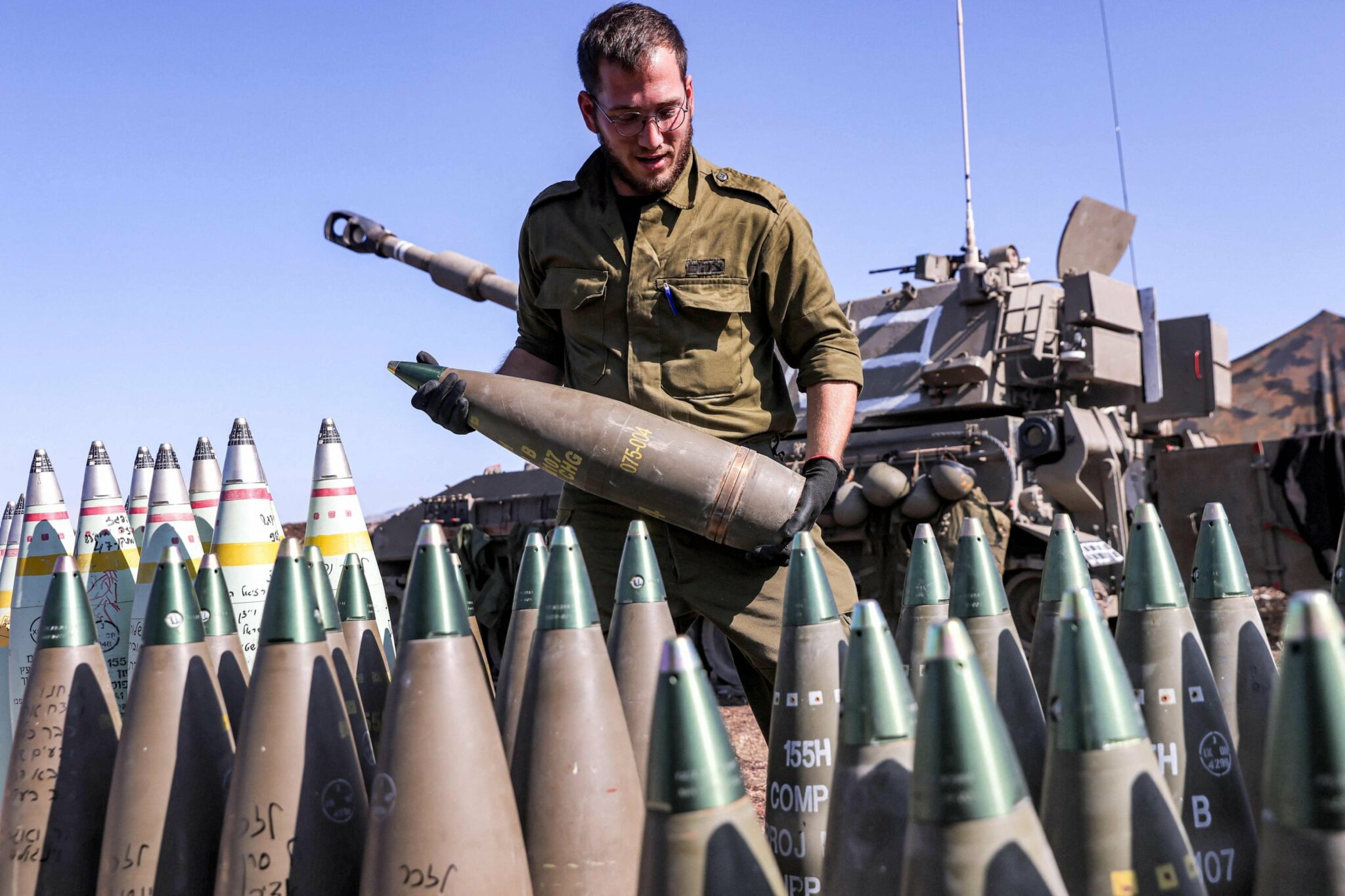
The 2026 setting considers multiple crisis areas. Nuclear risks include escalating rhetoric, expanded weapons investments, and ongoing conflicts like the Ukraine war.
Climate threats stem from continued governmental failures to prevent catastrophic warming at the required scale.
Artificial intelligence poses growing dangers through battlefield deployment and social media manipulation. Biological threats from infectious diseases and weapons remain concerns.
The Bulletin identified the 2026 Nuclear Nonproliferation Treaty Review Conference as a critical moment for global arms control.
Clock history
The clock debuted on the Bulletin's June 1947 magazine cover. The board has reset it 26 times. It reached 100 seconds to midnight in 2020, dropped to 90 seconds in 2023, then to 89 seconds in 2025.
The physical clock resides in the University of Chicago's Keller Center lobby, home to the Harris School of Public Policy.
The Bulletin aims to motivate action, not spread fear. The clock functions as an early warning system, urging citizens and leaders to address existential threats before time runs out.