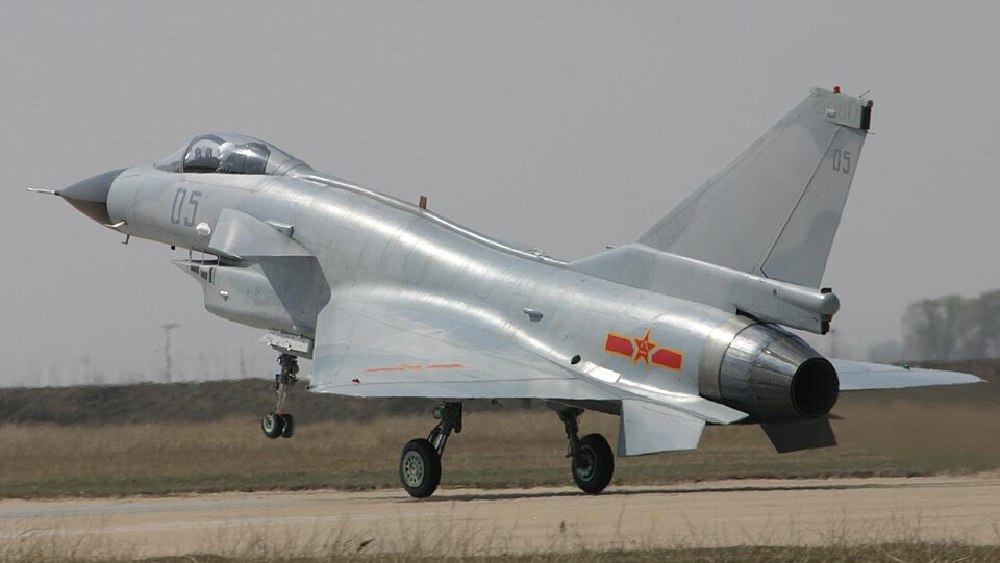
ISLAMABAD: Chinese fighter jet manufacturers have reported a sharp rise in sales and global interest following last year's India-Pakistan military confrontation, with analysts linking the surge to the performance of Chinese-made aircraft in the conflict, according to a Bloomberg report on Wednesday.
China’s AVIC Chengdu Aircraft Corporation, which produces the J-10C fighter jet used by Pakistan, recorded revenue of 75.4 billion yuan ($11 billion) in 2025, up 15.8%, while profit rose 6.5% to 3.4 billion yuan, according to a company statement cited by Bloomberg.
The figures mark the highest in the company’s history, reflecting growing demand for Chinese military hardware.
The momentum has carried into 2026, with first-quarter sales surging nearly 80% year-on-year, according to the same data.
Analysts say this spike is closely tied to heightened international attention on Chinese fighter jets after their deployment in the May 2025 India-Pakistan conflict.
During the brief but intense confrontation, Pakistan used Chinese-built systems, including the J-10C fighter jet and the jointly produced JF-17 aircraft. These platforms were credited by Pakistan with playing a decisive role in aerial engagements against Indian forces, boosting their profile in the global arms market, TRT World reported.
The J-10C, inducted into the Pakistan Air Force in 2022, was highlighted for its advanced missile capabilities and combat performance.
The visibility gained during the conflict has translated into increased international interest. Pakistan has reported receiving inquiries from multiple countries about its jointly developed JF-17 fighter jet, with demand rising sharply in recent months, according to Bloomberg.
Analysts say the “combat-tested” status of these aircraft has become a key selling point, particularly for countries seeking lower-cost alternatives to Western systems.
The India-Pakistan confrontation effectively served as a live demonstration of Chinese aviation technology, strengthening Beijing’s position in the global defense export market.
The surge in sales also reflects broader geopolitical shifts, as countries look to diversify arms suppliers amid ongoing conflicts and supply chain disruptions worldwide.
While Western manufacturers have traditionally dominated the high-end fighter jet market, Chinese firms are increasingly positioning themselves as competitive players, leveraging both cost advantages and recent battlefield exposure.
With demand continuing to rise and production scaling up, Chinese fighter jet makers are expected to play a more prominent role in global defense markets, particularly across Asia, the Middle East and Africa, where interest in cost-effective, combat-proven systems is growing.



.jpg)
.jpg)

.png)