DHAKA: Bangladesh’s election has simultaneously reshaped political power and locked in constitutional reform, as voters handed the Bangladesh Nationalist Party (BNP) a commanding parliamentary mandate while overwhelmingly approving a binding reform charter in a rare nationwide referendum.
The vote, the first national election since a 2024 uprising ended years of political paralysis, was described as credible and competently managed by international observers, adding external validation to the country’s democratic reset.
“The 2026 parliamentary elections were credible and competently managed, marking a pivotal step towards restoring democratic governance and rule of law,” said Ivars Ijabs, head of the European Union observer mission, speaking to reporters on Saturday.
Final results of the 13th National Parliamentary Election show the BNP emerging as the dominant force in parliament, while voters also endorsed the July National Charter. A reform package designed to prevent a return to authoritarian rule and restructure core institutions of the state.
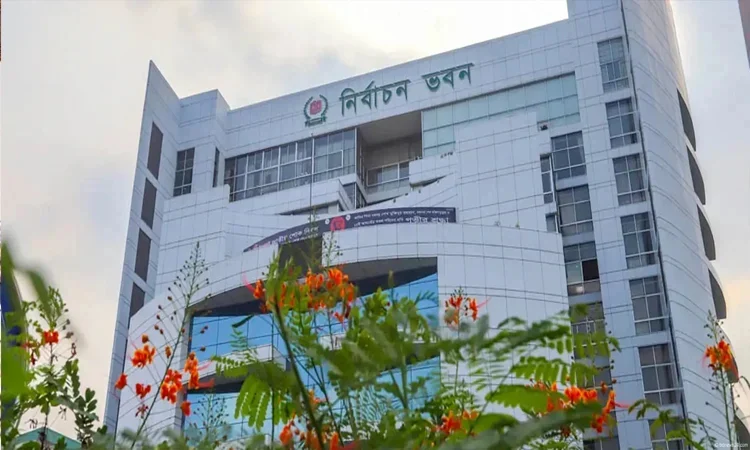
According to the Election Commission (EC), voting was held in 299 of 300 constituencies, with results declared in 297. The BNP won 209 seats outright, while Bangladesh Jamaat-e-Islami secured 68 seats. Smaller parties and independents filled the remaining seats. Overall voter turnout stood at 59.44%.
With alliance partners included, the BNP’s total rises to 212 seats, while Jamaat’s tally increases to 77 seats, giving it a significantly enlarged role as the main opposition in the new parliament.
Running in parallel with the election, the national referendum on the July National Charter drew more than 70 million votes, with turnout at 60.26%. Official results show about 48 million voters, roughly 68%, backed the reforms, while nearly 23 million voted against.
A government gazette notification, signed by Election Commission Senior Secretary Akhtar Ahmed and issued on Friday night, confirmed that the referendum outcome makes the reform charter binding on parties that form the next government.
Chief Adviser of the interim government Muhammad Yunus congratulated BNP Chairman Tarique Rahman on what he described as a decisive and historic mandate.
“The clear mandate delivered by the people in this historic democratic transition marks a significant milestone for the country's constitutional continuity, democratic consolidation and institutional stability,” Yunus said in a written message.
Expressing confidence in the incoming leadership, he added that Rahman would guide Bangladesh toward “a stable, inclusive and development-oriented trajectory,” grounded in democratic values, the rule of law, and accountable governance.
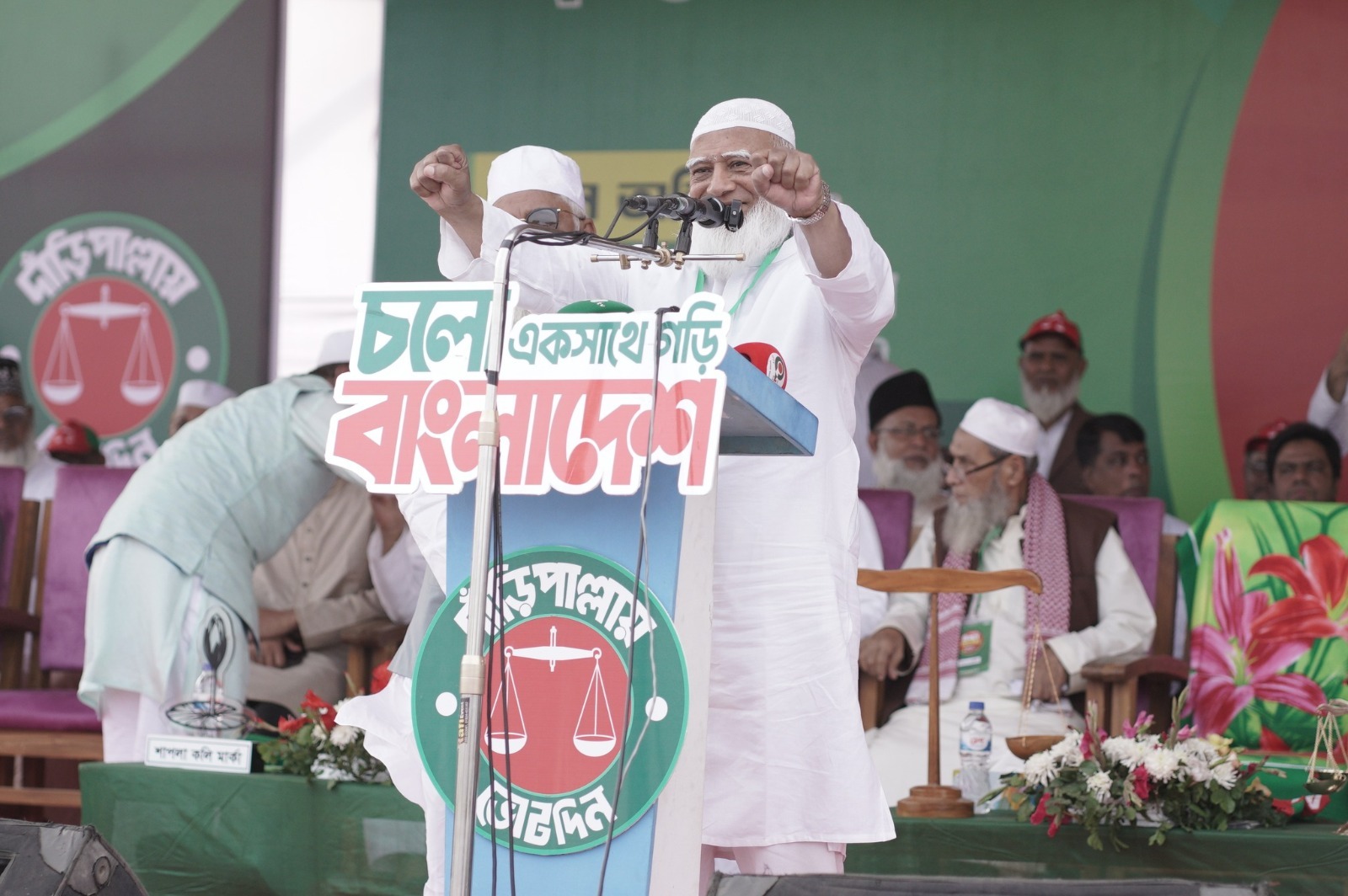
From the opposition benches, Jamaat-e-Islami Ameer Shafiqur Rahman announced that his party would accept the results and operate as a responsible opposition.
“We accept the overall results and respect the rule of law,” he said in a public statement, describing the party’s expanded presence in parliament as “a foundation, not a setback.”
International reaction, particularly from Pakistan, framed the outcome as a milestone for democratic continuity. Prime Minister Shehbaz Sharif telephoned Rahman to congratulate him on what he termed a “historic and resounding victory,” reaffirming Islamabad’s commitment to strengthening bilateral cooperation.
President Asif Ali Zardari also congratulated Rahman and the people of Bangladesh on the successful and peaceful conduct of the polls, while Deputy Prime Minister and Foreign Minister Ishaq Dar said Pakistan would continue to engage Bangladesh “on the basis of sovereign equality and mutual respect.”
With electoral legitimacy restored, reforms approved by popular vote, and both winners and opposition accepting the verdict, Bangladesh closes its election chapter with a rebalanced political order and a constitutionally anchored path forward.



.jpg)
.jpg)